
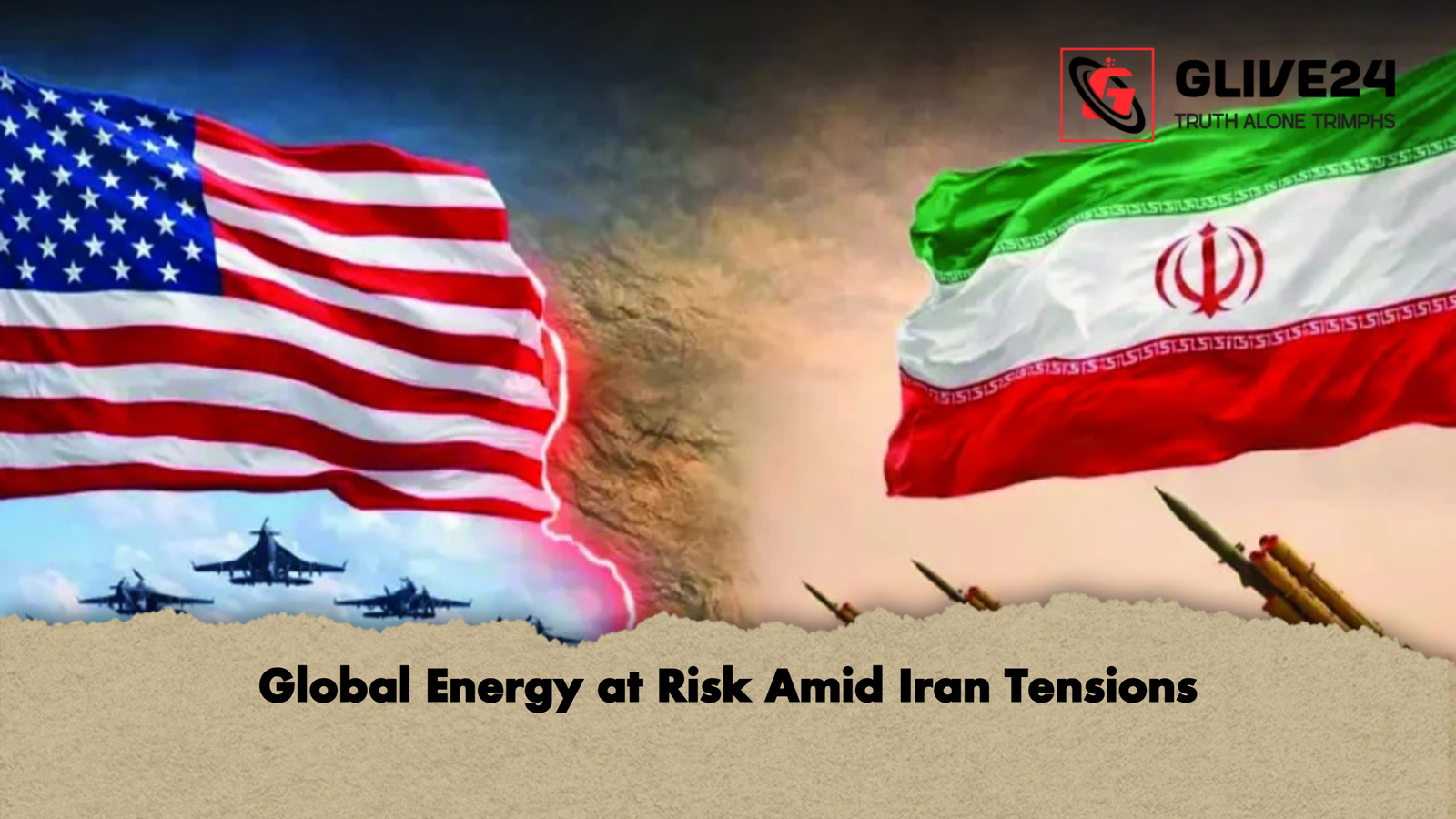
Escalating tensions involving Iran have raised serious concerns over a potential global energy crisis. Analysts warn that prolonged conflict could disrupt the supply of oil and gas worldwide, gradually affecting economies across multiple sectors. Certain nations, however, are already more exposed to these risks due to their dependence on imported energy.
European economies, in particular, are vulnerable to rising fuel costs. Industrial powerhouses such as Germany face increasing production expenses if energy prices continue to climb. Similarly, Italy relies heavily on oil and gas imports, making its industrial and household sectors sensitive to price fluctuations. In the United Kingdom, a significant portion of electricity is generated by gas-fired power plants, heightening the risk of inflationary pressures in energy costs.
In Asia, Japan imports almost all of its oil from the Middle East, much of it transported through the strategic Strait of Hormuz. Any disruption along this vital route could directly impact the Japanese economy, affecting both industry and households. India faces comparable risks, as its oil and LPG imports make it highly exposed to global supply shocks. The country has already seen a downgrade in its growth forecasts, alongside a gradual depreciation of its currency.
The Gulf states are not immune. Complete closure of the Strait of Hormuz would severely restrict exports from Kuwait, Qatar, and Bahrain, potentially contracting the entire region’s economy. Meanwhile, some of the most precariously positioned countries include Sri Lanka, Pakistan, and Egypt, which have implemented austerity measures to cope with mounting energy costs. High fuel prices, inflation, and foreign debt burdens are pushing these nations closer to economic instability.
The following table summarises the countries at highest risk and the nature of their vulnerability:
| Country/Region | Primary Energy Vulnerability | Expected Economic Impact |
|---|---|---|
| Germany | Industrial economy, sensitive to oil/gas price increases | Rising production costs, pressure on exports |
| Italy | High dependency on imported oil and gas | Energy inflation affecting households and industry |
| United Kingdom | Gas-fired power generation dependency | Increased energy inflation, potential industrial strain |
| Japan | Nearly all oil imported from Middle East via Hormuz Strait | Direct economic impact if shipping routes disrupted |
| India | Heavy reliance on imported oil and LPG | Lower growth forecasts, currency depreciation, inflation |
| Kuwait, Qatar, Bahrain | Oil export reliance via Hormuz Strait | Export restrictions, regional economic contraction |
| Sri Lanka, Pakistan, Egypt | Limited foreign reserves, high energy costs, foreign debt | Austerity measures, rising inflation, economic fragility |
Energy experts emphasise that any long-term conflict in the region would not only threaten Middle Eastern supply chains but could trigger ripple effects worldwide. Industries, households, and transport systems are likely to face increased costs, with developing economies particularly exposed.
In this precarious environment, countries are being urged to diversify energy sources, maintain strategic reserves, and explore alternative supply routes. The current tensions underscore the fragile interdependence of global energy markets and the urgent need for coordinated economic and geopolitical responses to mitigate widespread disruption.