
Khabor Wala Desk
Published: 28th March 2026, 2:20 PM
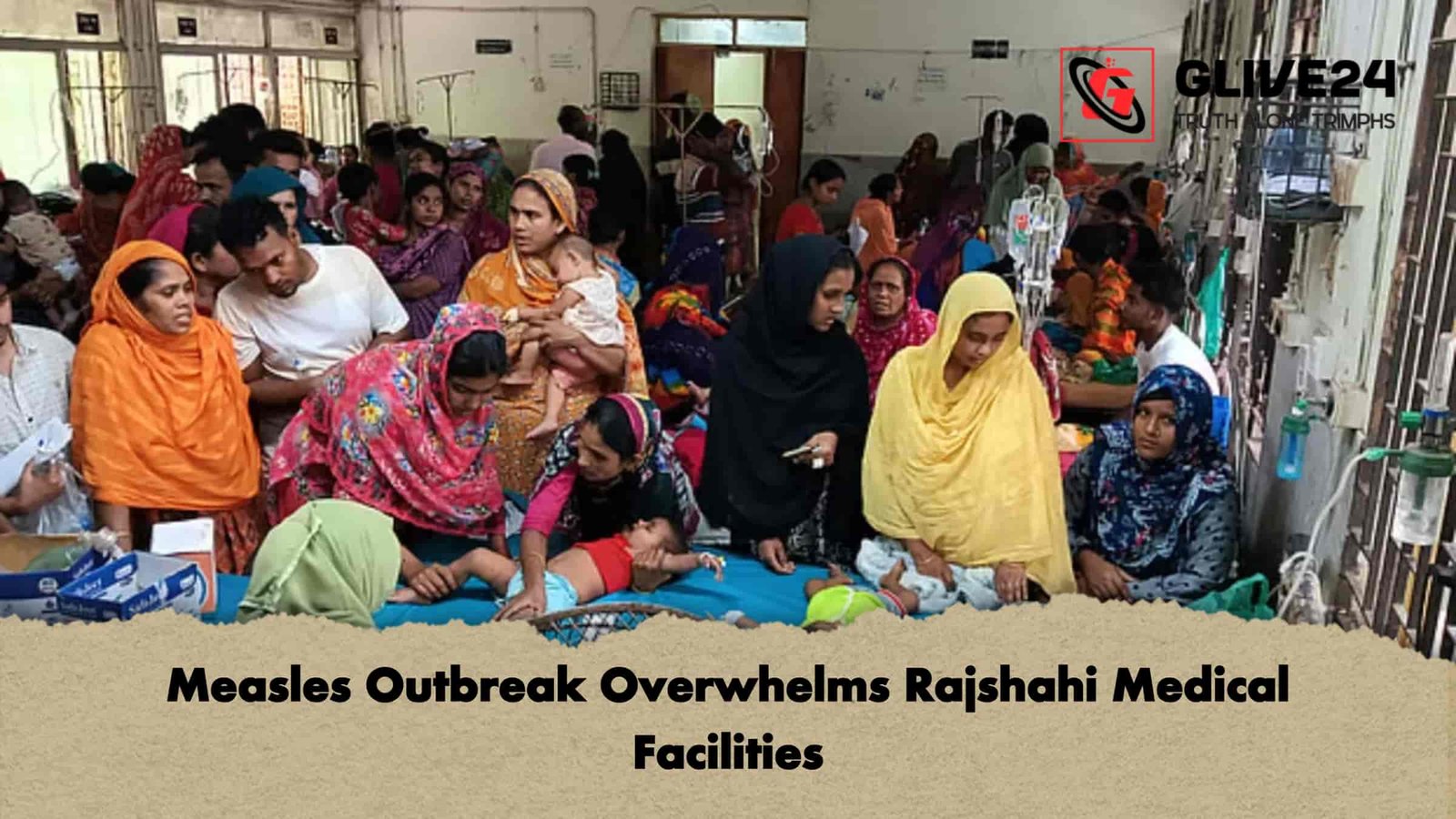
Children showing symptoms of the highly contagious viral disease measles are reportedly being treated alongside other patients at Rajshahi Medical College Hospital, raising alarm among doctors and families about the risk of further transmission. Despite medical protocols that recommend transferring suspected measles cases to specialised infectious disease units, such measures are reportedly not being followed consistently.
Hospital sources state that four children with severe measles symptoms were recommended for admission to the intensive care unit (ICU) on Thursday. By the following morning, two of these children had died. Between the start of March and Thursday, 84 children from the paediatric ward were placed on the waiting list for ICU admission, illustrating both the seriousness of the cases and the strain on the hospital’s limited critical care capacity.
Laboratory testing by the World Health Organization confirmed measles infection in ten patients, with additional samples still under examination. This indicates that the outbreak may be more extensive than initially anticipated.
Limited ICU capacity compounds the problem. The hospital reportedly has only 12 ICU beds for children, all managed internally rather than through government provision. Consequently, critically ill children face delays in receiving urgent care, heightening the risk of serious complications or death.
| Category | Number |
|---|---|
| Children recommended for ICU | 84 |
| Deaths after ICU admission | 9 |
| Most recent ICU recommendations | 4 |
| Confirmed measles cases | 10 |
| ICU beds for children | 12 |
| Suspected cases at private hospital | 20/28 |
Family members report that children with measles are being placed in the same wards as other patients, increasing the likelihood of cross-infection. One guardian described the urgent need for ICU care, noting that her child was critically ill but remained on the waiting list due to limited bed availability.
Hospital officials have been contacted repeatedly for comment but have not provided detailed explanations. A spokesperson stated that infectious patients are normally referred to a designated hospital, though such transfers appear not to have taken place.
The head of the paediatric department explained that although two isolation wards exist, they suffer from limited oxygen supply, making them unsuitable for critically ill patients. The hospital also faces overcrowding, with over 700 patients admitted in a facility designed for 200 beds.
Similar conditions were reported at a private medical college hospital in Rajshahi, where 20 out of 28 newly admitted children showed symptoms of measles but were not isolated.
Public health authorities have confirmed a rise in suspected measles cases across Rajshahi and neighbouring districts. Hospitals have been instructed to report cases immediately and provide isolation for affected patients. However, current conditions indicate that implementation gaps remain, leaving vulnerable children at serious risk.



Comments