Khabor Wala Desk
Published: 29th March 2026, 12:42 PM
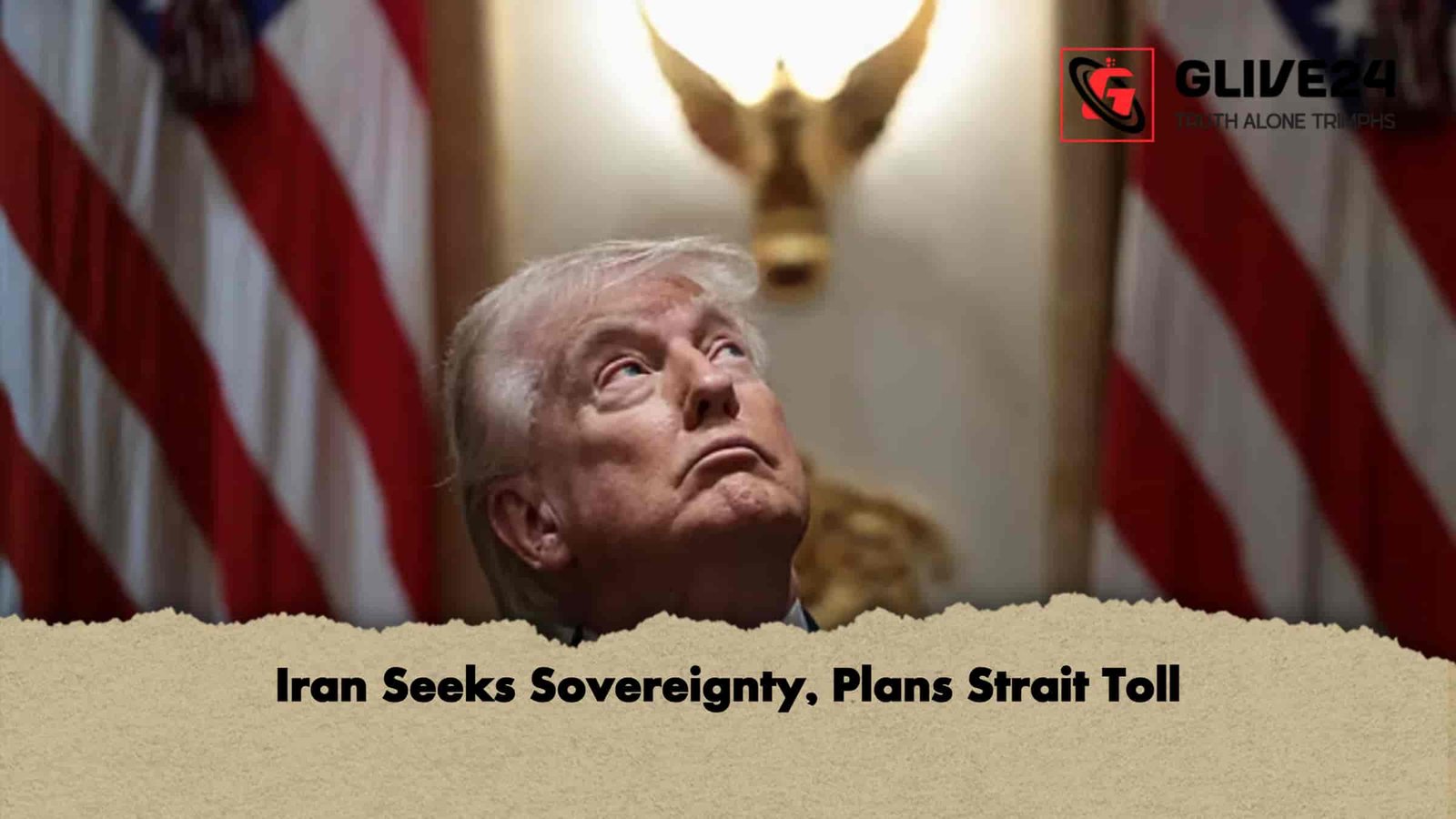
Iran has introduced a significant new condition in its efforts to halt ongoing hostilities with the United States and Israel. Tehran is demanding full recognition of its sovereignty over the strategically vital Strait of Hormuz, a key maritime corridor through which nearly one-fifth of the world’s crude oil and liquefied natural gas (LNG) shipments pass. Beyond political control, Iran intends to impose regular tolls on ships transiting the strait, potentially generating hundreds of millions of dollars in annual revenue.
For decades, Iran has viewed the Strait of Hormuz as a critical geopolitical instrument. Recent disruptions in shipping due to escalating tensions have exacerbated global market instability, underscoring Tehran’s leverage over international trade. By asserting control and levying fees, Iran aims to consolidate both political and financial influence over this vital waterway.
Iranian naval patrols in the strait have intensified, according to images released by the semi-official Mehr News Agency. Analysts interpret these deployments as a clear signal that Tehran intends to enforce its claims over maritime traffic.
Dina Esfandiary, Middle East Director at Bloomberg Economics, observed, “Iran has realised how easily it can disrupt global economic flows. The country now views toll collection as a lucrative new revenue stream.”
The United States has expressed strong opposition. Secretary of State Marco Rubio termed Iran’s plan “illegal and dangerous,” emphasising that unilateral tolls on an international shipping lane are unacceptable and must be opposed by the global community.
Meanwhile, Iran’s newly appointed Supreme Leader, Ayatollah Mojtaba Khamenei, made it clear in his inaugural speech that the country will not relinquish any opportunity to control or block passage through the strait. Experts suggest that if implemented, Iran’s tolls could yield monthly revenue surpassing that of Egypt’s Suez Canal.
According to CNN calculations, charging $2 million per large tanker could generate more than $80 million in monthly income for Iran.
| Parameter | Estimate |
|---|---|
| Global oil & LNG via Strait of Hormuz | ~20% |
| Toll per large tanker | $2 million |
| Estimated monthly revenue | >$80 million |
| Potential annual income | Several hundred million dollars |
| Comparison | May exceed Suez Canal revenue |
International maritime law specialists, including James Kraska, stress that there is no legal basis for imposing tolls in international waters. Nevertheless, reports indicate that some shipping operators may already be making unofficial payments to ensure safe passage, heightening the tension surrounding the strait.
As Tehran moves to convert the Strait of Hormuz into both a geopolitical and financial tool, global markets remain on alert, with analysts warning that the economic implications of such a strategy could be profound.



Comments