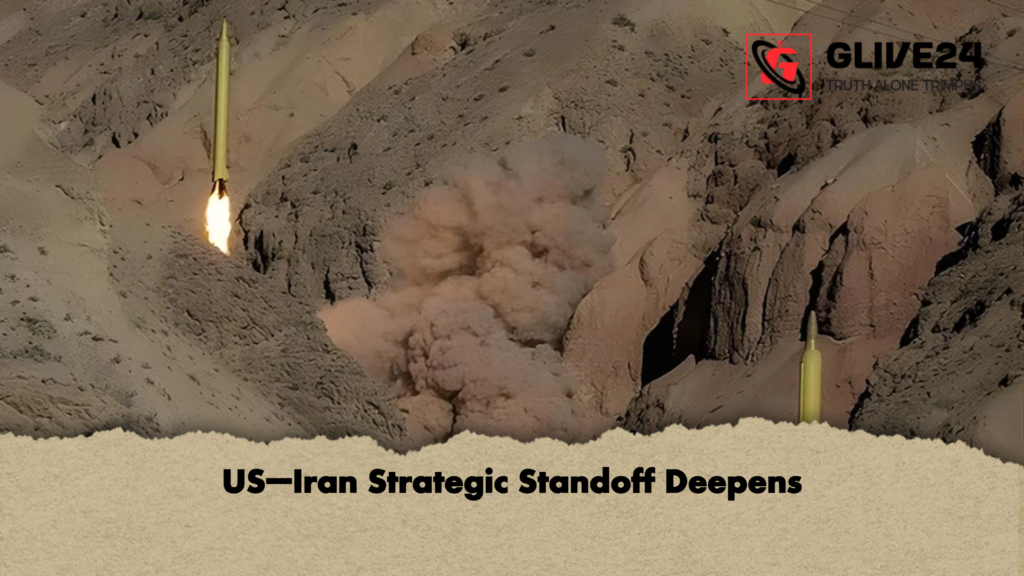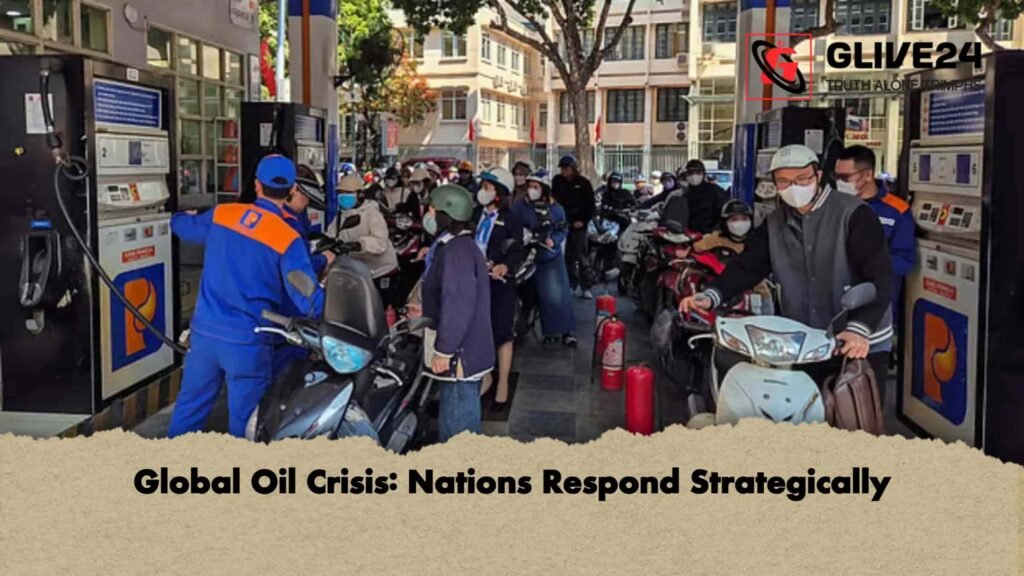
The ongoing conflict between , , and has effectively shut down the , a vital route for global oil shipments. Over the past month, this disruption has caused fuel prices to rise sharply, while supply chains face mounting pressures.
Rising oil prices have far-reaching effects. Transportation costs increase, driving up the prices of everyday goods. Manufacturing expenses rise, agricultural operations like irrigation and machinery usage become costlier, and food prices climb. In import-dependent economies, foreign currency reserves are strained, budget deficits may widen, and low- to middle-income households feel the impact most acutely as daily costs surge.
Anticipating a prolonged disruption, countries around the world are taking pre-emptive measures to cushion consumers and stabilise economies.
How Countries Are Coping
United Kingdom
While most electricity is generated from natural gas and renewable sources, UK petrol prices have reached an 18-month high due to global market pressures. The government warns retailers against profiteering and is implementing a £53 million support package for low-income households reliant on heating oil.
China
China, the world’s largest oil importer, has long prepared for supply shocks. During periods of low prices, the country stockpiled roughly 900 million barrels of crude—enough to cover nearly three months of imports. Authorities have temporarily halted exports of petroleum products to stabilise domestic prices.
India
India’s Ministry of Petroleum confirmed on 26 March that crude oil supplies for the next 60 days are secured. Roughly half of India’s oil imports, along with significant LNG and petroleum gas volumes, pass through the Strait of Hormuz. Authorities urge citizens not to panic buy or hoard fuel.
Ireland
Fuel taxes on petrol and diesel have been reduced under a €235 million relief package. Duties on environmentally friendly diesel have been cut, and support for heating oil under social protection programmes has been extended for four weeks.
Australia
To encourage public transport use, Victoria offers free travel on trains, trams, and buses throughout April, while Tasmania waives fares for buses and ferries until June. Petrol prices have risen to AUD 2.38 per litre, compared with AUD 2.09 before the conflict.
Other Countries
Several nations—including , , , , , , , , and —have introduced measures ranging from fuel rationing and staggered vehicle usage to subsidies, working-hour adjustments, and energy-saving campaigns.
Summary of Key National Measures
| Country | Measures Implemented | Relief or Practical Impact |
|---|---|---|
| United Kingdom | Monitor petrol prices, support low-income heating oil users | £53 million package |
| China | Strategic crude reserves, temporary export suspension | ~900 million barrels stockpiled |
| India | Ensure 60-day crude supply, discourage panic buying | – |
| Ireland | Reduce fuel taxes, extend heating oil support | €235 million package |
| Australia | Free public transport, encourage carpooling | Victoria & Tasmania: free fares |
| Philippines | National emergency, transport subsidies, 4-day workweek | Additional 1 million barrels stockpiled |
| Sri Lanka | Fuel rationing, government-declared holidays | 15 litres/week per car, 5 litres/week motorcycle |
| Thailand | Reduce air conditioning, encourage energy efficiency | – |
| Ethiopia | Prioritise fuel for essential services, restrict private use | – |
| Myanmar | Odd-even vehicle access, digital fuel monitoring | – |
| Vietnam | Promote staying home, public transport, remove VAT & environmental tax | – |
| Slovenia | Fuel rationing: limit per vehicle/business | 50–200 litres maximum |
| South Sudan | Electricity rationing, prioritise industry & essential services | – |
The global oil crisis underscores the vulnerability of nations dependent on imported energy. Governments are deploying a wide range of interventions to ensure essential services continue, prevent market panic, and mitigate the economic impact on households and businesses.