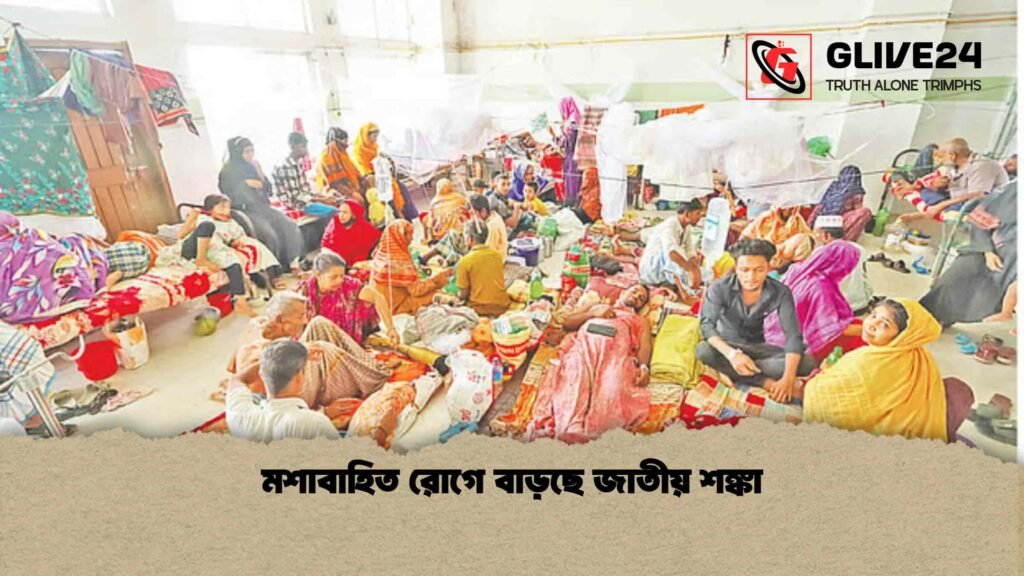
The recent death of ten-year-old Sudipta Chakma in Rangamati has brought renewed attention to the escalating threat of mosquito-borne diseases in Bangladesh. After nearly a decade without fatalities in the hilly districts, malaria has re-emerged, raising alarm among public health authorities.
District health records indicate that malaria was thought to be under control in Rangamati. However, the 2025 fatalities mark the highest number of malaria deaths in nine years. Experts note that while the overall prevalence has slightly decreased compared to previous years, sudden spikes in certain areas suggest that the disease remains far from eradicated.
The Major Mosquito-Borne Diseases
Bangladesh is now facing four principal mosquito-borne illnesses: dengue, malaria, Zika, and chikungunya. Dengue and malaria have long been endemic, whereas Zika and chikungunya have shown notable increases since 2024. Rural areas, with limited healthcare infrastructure, are increasingly affected alongside urban centres.
| Disease | Primary Mosquito Vector | Geographic Spread | Current Trend |
|---|---|---|---|
| Dengue | Aedes | Nationwide | Increasing, year-round |
| Malaria | Anopheles | Hilly border districts | Re-emerging |
| Zika | Aedes | Urban and semi-urban regions | Gradual increase |
| Chikungunya | Aedes | Urban expansion and outskirts | Rising incidence |
Climate and Environmental Factors
Climate change is intensifying mosquito proliferation. Rising average temperatures, irregular rainfall, and increased humidity create ideal conditions for mosquito breeding. Over the past three decades, Bangladesh’s average annual maximum temperature has risen steadily, extending the breeding season and enhancing parasite development.
| Factor | Recent Trend | Impact on Mosquitoes and Disease |
|---|---|---|
| Temperature | Rising averages | Faster mosquito reproduction |
| Rainfall | Uneven, heavy showers | More standing water, breeding sites |
| Humidity | Increasing fluctuations | Prolonged mosquito activity |
Studies confirm that even slight climatic variations can accelerate transmission of mosquito-borne diseases.
Malaria’s Continuing Threat
Despite past progress in controlling malaria, the disease has not been eliminated. In 2025, sixteen fatalities were reported, nine among Rohingya refugees from Myanmar. Cross-border movement and the risk of drug-resistant malaria pose additional dangers. Diagnostic challenges, particularly false negatives due to parasite mutations, have complicated disease detection in remote areas.
Dengue: A Year-Round Hazard
Once considered seasonal, dengue now persists throughout the year. In 2023, Bangladesh recorded one of the world’s highest dengue mortality rates, with over 1,700 deaths. Treatment costs place a heavy burden on families, often exceeding household incomes and pushing many into debt.
Re-Emergence of Zika and Chikungunya
Zika virus, first identified in 2014, has resurfaced, posing serious risks for pregnant women due to the potential for microcephaly in newborns. Chikungunya, although rarely fatal, inflicts severe joint pain and long-term disability. In 2025, thousands of cases were documented in Chattogram and Dhaka, highlighting growing geographic spread.
Emerging Mosquito Threats
Culex mosquitoes are increasingly common, carrying risks of Japanese encephalitis and West Nile virus, which can severely damage the nervous system. Experts warn that new mosquito species may introduce additional diseases in the coming years.
Urgent Public Health Response Needed
Health authorities stress the need for immediate action: strengthened mosquito control measures, improved urban sanitation, and modernised healthcare infrastructure. Without decisive intervention, mosquito-borne diseases are set to become one of Bangladesh’s most pressing public health challenges.