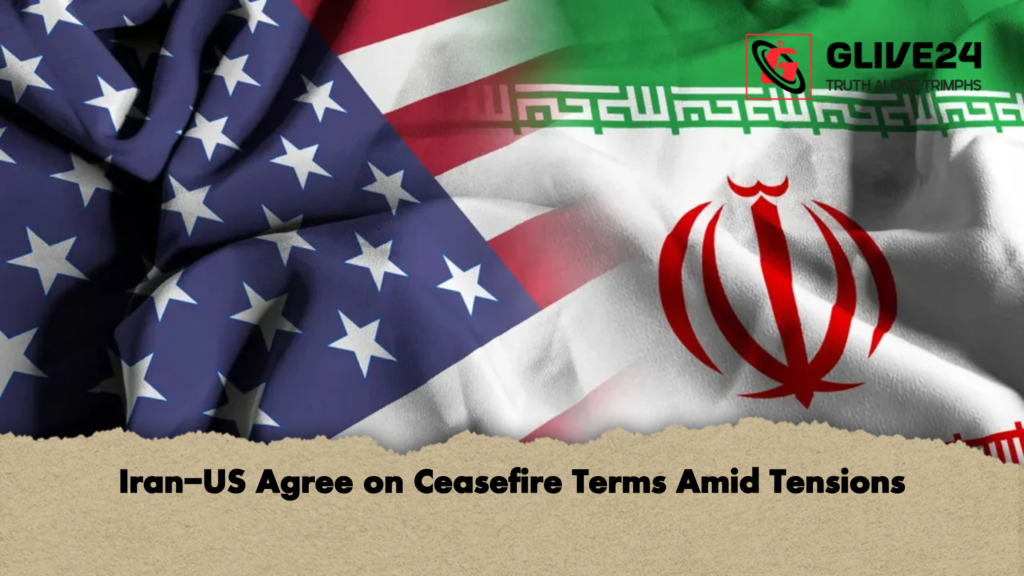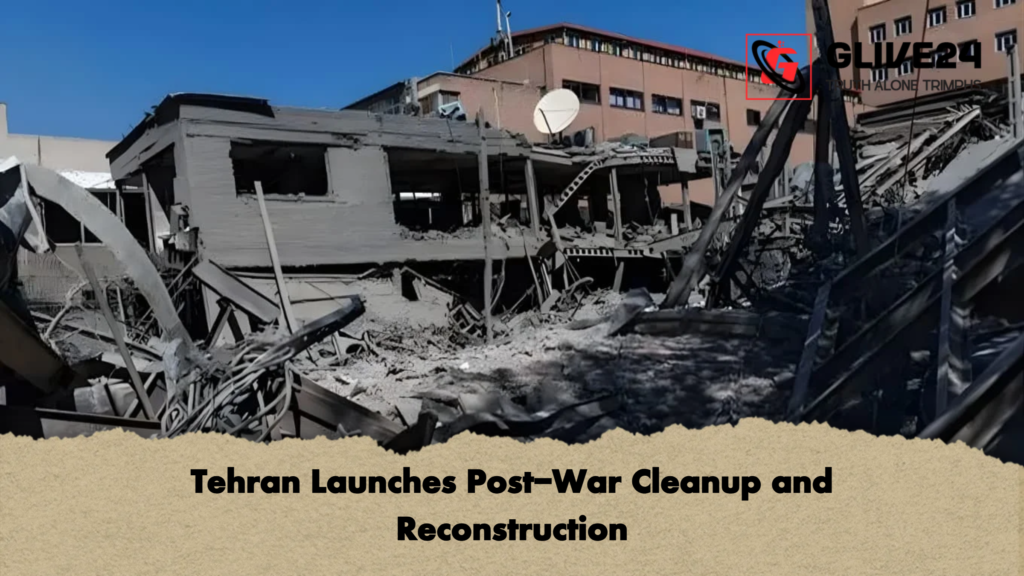
On the 40th day of the devastating conflict, Iran, the United States, and Israel have agreed to a two-week ceasefire in a bid to curb further destruction and human casualties. Following this temporary truce, authorities in Tehran have initiated extensive cleanup operations and preliminary reconstruction work across the city.
According to reports by Tasnim News Agency, cited by the British broadcaster BBC, the Islamic Revolutionary Guard Corps (IRGC)-affiliated outlet confirmed that streets blocked by debris are being cleared, and efforts are underway to reopen major thoroughfares for traffic. In several areas, ground-level preparation has begun to facilitate future rebuilding projects.
A Tehran municipal official stated, “Our immediate priority is the removal of debris, restoring basic mobility, and ensuring safety in residential zones. Reconstruction will proceed in phases, prioritising the most affected districts first.”
The context of this restoration work follows a series of coordinated attacks by the United States and Israel on Iran, which began on 28 February. These airstrikes targeted over 13,000 strategic and civilian installations, including rail networks, residential buildings, and oil facilities across multiple cities.
According to United Nations data, more than 22,000 civilian structures in Iran were damaged, of which over 17,000 were residential units. Iran has additionally reported that more than 4,000 civilian and commercial establishments were directly hit, with 528 commercial units entirely destroyed. The attacks also inflicted damage on three hospitals, 14 health centres, and 20 Red Crescent facilities, severely affecting essential services.
The following table summarises the reported damage:
| Type of Infrastructure | Number Damaged | Notes |
|---|---|---|
| Civilian Buildings | 22,000+ | 17,000+ residential units |
| Commercial Units | 4,000+ | 528 completely destroyed |
| Hospitals | 3 | Critical services disrupted |
| Health Centres | 14 | Services limited |
| Red Crescent Centres | 20 | Humanitarian aid impacted |
In retaliation, Iran conducted strikes on U.S. military and civilian installations across several Middle Eastern countries, escalating tensions across the region. The cumulative impact of these offensives has rendered much of the Middle East highly unstable, while Tehran’s immediate focus is stabilisation and recovery.
Analysts suggest that the two-week ceasefire offers a crucial “humanitarian window” for emergency reconstruction and relief efforts. Within this period, authorities aim to restore essential infrastructure, clear debris from public spaces, and initiate the phased rebuilding of damaged urban areas.
Officials have emphasised that the current cleanup and reconstruction measures are only the initial stage of a broader recovery plan, which is expected to expand over the coming weeks to address both residential and commercial zones comprehensively.
This ceasefire, though brief, represents a significant step towards stabilising the city and reducing further civilian suffering amid an otherwise catastrophic conflict.