At a time when global attention remains fixed on rising geopolitical tensions involving the United States, Iran, and Israel, an entirely different but deeply troubling controversy has unfolded within Bangladesh’s cricketing landscape—one that has sparked widespread concern over governance, accountability, and the growing influence of politics in sport.
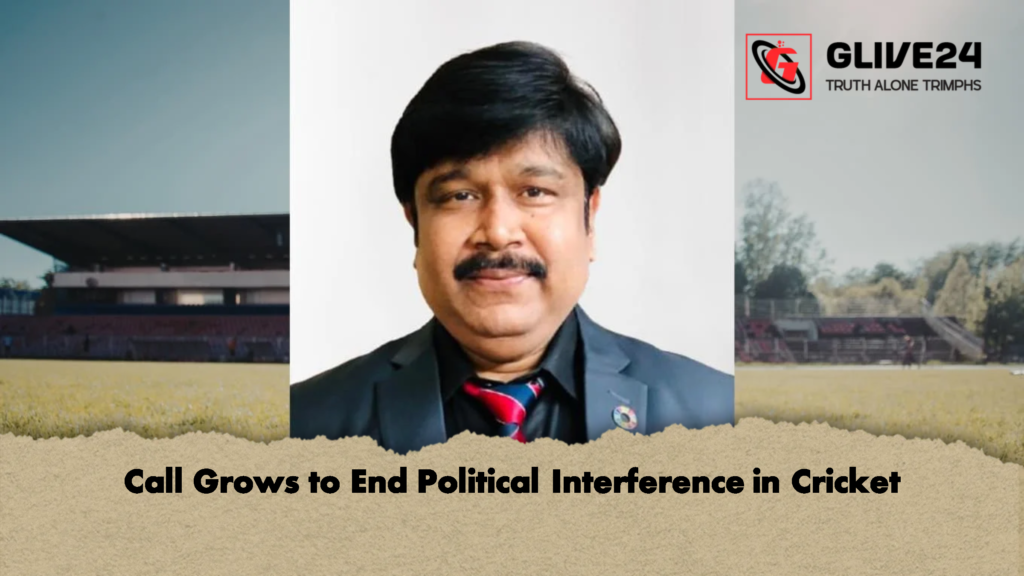
The latest developments surrounding the Bangladesh Cricket Board (BCB) have ignited debate after former national captain Aminul Islam Bulbul publicly rejected recent administrative changes and declared himself the “only legitimate president.” His removal, following the dissolution of the existing board by the National Sports Council (NSC), and the subsequent formation of an ad-hoc committee led by Tamim Iqbal, has intensified scrutiny over the governance of cricket in the country.
Table of Contents
A controversial administrative overhaul
On 7 April, the NSC announced the dissolution of the existing BCB board and introduced an 11-member interim committee headed by Tamim Iqbal. While such interventions are not unprecedented, the composition of the new committee has raised questions among observers, particularly regarding the inclusion of individuals perceived to have strong political affiliations rather than established cricketing credentials.
Critics argue that the selection process lacked transparency and failed to prioritise experienced cricket administrators, former players, or qualified professionals within the sport. The absence of a clearly articulated selection framework has further fuelled public scepticism.
Overview of the current governance dispute
| Issue | Description |
|---|---|
| Board dissolution | NSC dissolved existing BCB leadership |
| Interim leadership | Ad-hoc committee formed under Tamim Iqbal |
| Bulbul’s stance | Claims continued legitimacy as BCB president |
| Key concern | Allegations of political influence in appointments |
| Institutional risk | Governance instability and reputational damage |
Questions over respect and institutional conduct
Many observers have expressed concern not only over the decision itself but also the manner in which it was executed. Aminul Islam Bulbul, widely regarded as a pioneering figure in Bangladesh cricket’s rise on the international stage, was reportedly invited from abroad to assume leadership responsibilities. His abrupt removal—without what critics describe as a dignified or consultative process—has been viewed by some as indicative of broader institutional shortcomings.
Analysts argue that leadership transitions in national sporting bodies should be conducted through transparent dialogue, clear legal frameworks, and respect for individuals who have contributed significantly to the sport’s development.
Broader concerns about politicisation
The controversy has also reignited long-standing concerns about political influence in sports administration. Observers note that governance structures in major sporting bodies must remain independent to ensure fairness, credibility, and long-term development.
Under the regulations of the International Cricket Council (ICC), member boards are expected to operate without undue government interference. Any perception of political involvement risks not only domestic instability but also potential scrutiny at the international level.
Critics further argue that appointments based on political affiliation—rather than merit, experience, or expertise—can undermine both performance and public trust. The inclusion of individuals without direct cricketing backgrounds has therefore become a focal point of debate.
Call for reform and transparent elections
Stakeholders across the cricketing community are increasingly calling for structural reforms aimed at restoring confidence in the system. Among the most widely proposed measures are:
- Establishing a neutral, interim administration composed of experienced and non-controversial figures
- Holding democratic elections within a defined timeframe
- Ensuring merit-based selection criteria for board সদস্যরা
- Strengthening institutional safeguards against external interference
Many also emphasise the importance of recognising and respecting the contributions of former national icons such as Aminul Islam Bulbul, Mashrafe Bin Mortaza, and Shakib Al Hasan, who have played key roles in elevating Bangladesh’s global cricketing profile.
Leadership accountability and public expectations
The situation has also placed a spotlight on broader questions of governance and accountability. Analysts suggest that political leadership must carefully assess the actions of its appointees, particularly in sectors as sensitive and publicly visible as sport.
Public perception, they note, often attributes the actions of individual officials to the government as a whole. As such, any missteps in sports governance can carry wider political and reputational consequences.
Cricket beyond politics
Cricket occupies a unique place in Bangladesh’s national identity, serving as a source of unity, pride, and aspiration. From historic victories in regional tournaments to consistent participation on the global stage, the sport has become a symbol of national progress.
However, experts warn that continued administrative instability could hinder player development, disrupt long-term planning, and erode international confidence.
Outlook
The current crisis represents a critical juncture for Bangladesh cricket. While disagreements over governance are not uncommon, the intensity of the present dispute underscores the urgent need for reform, transparency, and institutional integrity.
As calls grow louder for depoliticisation, many within the cricketing community are urging authorities to ensure that the sport is governed by competent, experienced, and impartial individuals. The hope remains that cricket in Bangladesh can rise above political divisions and continue its journey as a unifying force for the nation.