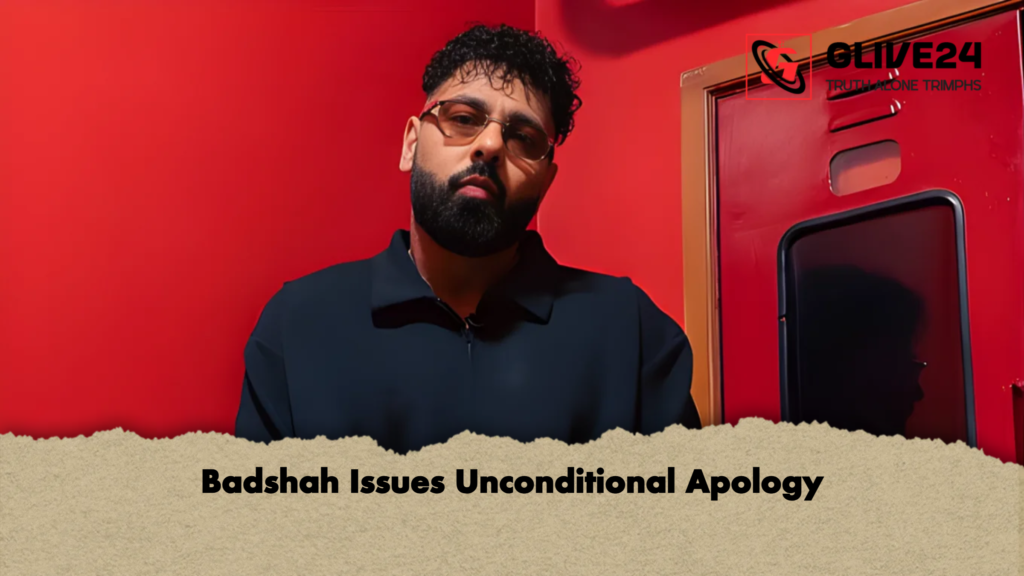
Indian rapper Badshah has issued an unconditional apology before a statutory women’s commission following intense nationwide controversy surrounding his latest release, Tattiri. The song, which has been under scrutiny for several weeks, has sparked widespread criticism over its lyrics and music video, with allegations that it portrays women in a degrading and objectionable manner.
The controversy escalated rapidly after the track was released on 1 March via social media platforms. Initially, it received a positive response from sections of fans of the Haryanvi-style composition. However, within days, public sentiment shifted dramatically as criticism mounted over what many described as the objectification of women in both the lyrics and visual presentation.
Particularly contentious were scenes in the music video depicting schoolgirls dancing after removing their bags, accompanied by suggestive choreography and overtly provocative lyrics. These elements triggered strong objections from various quarters, culminating in formal complaints and legal proceedings in the Indian state of Haryana. Multiple First Information Reports (FIRs) were subsequently filed against the artist.
The Haryana State Commission for Women intervened in the matter, summoning Badshah for a hearing. During Tuesday’s proceedings, he appeared before the commission and submitted an unconditional apology. The hearing was also attended by senior officials, including the Chairperson of the National Commission for Women, Vijay Rahatkar. The commission reiterated its firm stance that content undermining the dignity of women would not be tolerated under any circumstances.
Alongside Badshah, members of the production team—including director Joban Sandhu, co-producer Mahavir Singh, and producer Hiten—were also present. All parties submitted written apologies acknowledging the concerns raised over the content.
During the hearing, Badshah reportedly expressed deep regret and pledged to reform his artistic direction. He assured the commission that he would work towards creating music that promotes positive social values, particularly focusing on women’s empowerment. He further committed to producing a dedicated empowerment-themed song within the next four months and vowed to avoid content of a similar nature in the future.
Key Developments in the Controversy
| Stage | Details |
|---|---|
| 1 March | Tattiri released on social media platforms |
| Initial phase | Positive audience reception |
| Within days | Public backlash over alleged objectification of women |
| Legal action | Multiple FIRs registered in Haryana |
| Regulatory response | Haryana Women’s Commission issues summons |
| Hearing day | Badshah and team appear before commission |
| Outcome | Unconditional apology and reform commitment |
In addition to legal scrutiny, the controversy also triggered administrative action, with authorities reportedly removing hundreds of online links related to the music video from various platforms.
The issue has also attracted wider political and social attention, with public figures and activists calling for stricter accountability in entertainment content. Among them, Aparna Yadav, daughter-in-law of Mulayam Singh Yadav, wrote to the Chief Minister of Uttar Pradesh, urging a ban on the artist’s activities within the state.
The incident has reignited broader debate within India’s entertainment industry regarding artistic responsibility, censorship, and the portrayal of women in popular music.