
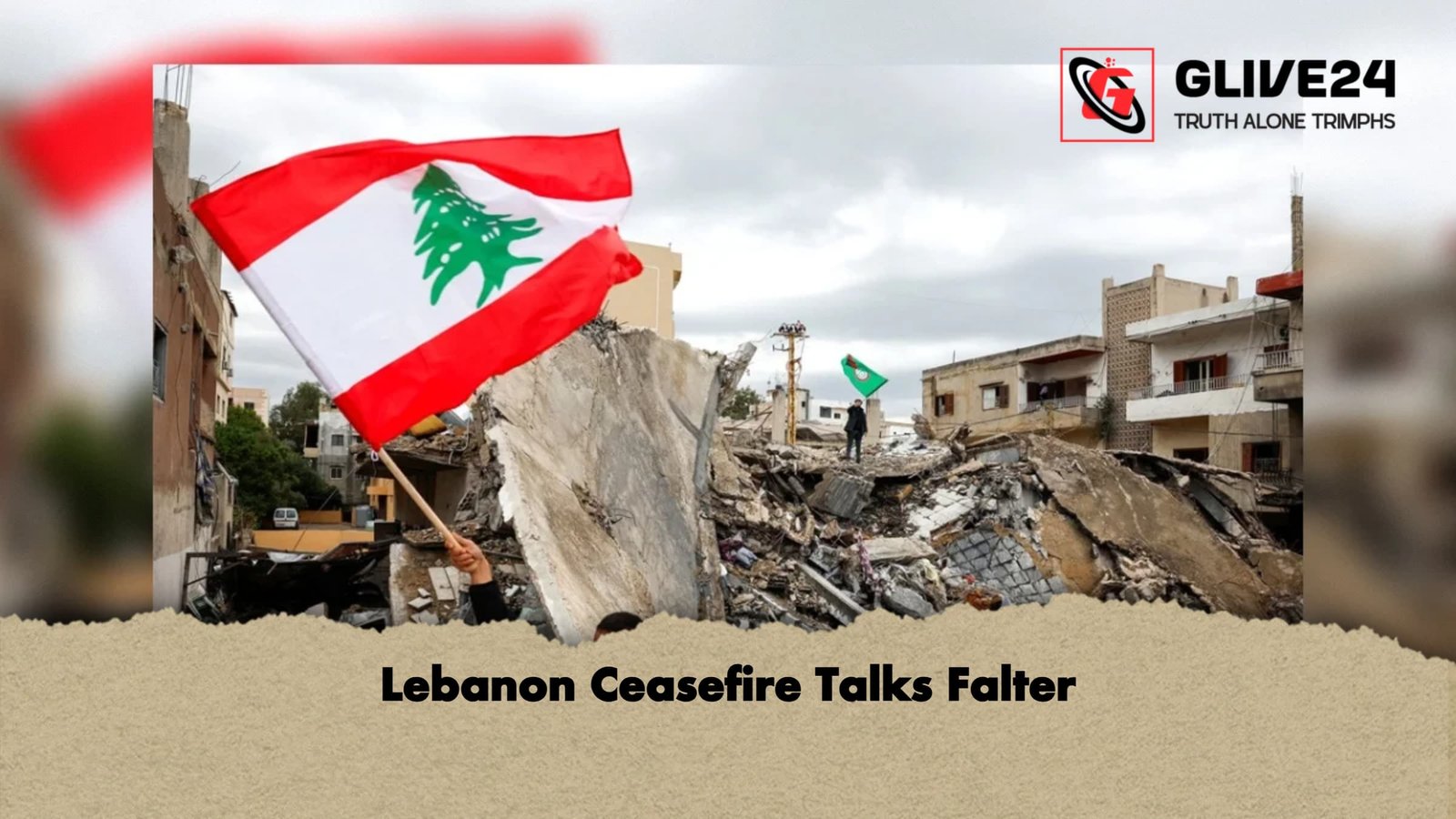
Amid ongoing Israeli military strikes in Lebanon, discussions on a ceasefire held in the United States are reportedly facing significant public scepticism within Lebanon. According to political analysts, the process is widely perceived not as a conventional peace negotiation but rather as one involving political pressure and conditional demands.
In an interview with Al Jazeera on Saturday, Beirut-based political analyst Rania Khalek stated that many people in Lebanon do not regard the Washington-led discussions as genuine peace talks. Instead, she said they are largely viewed as discussions amounting to surrender.
Khalek noted that a central issue in the talks has become the disarmament of Hezbollah, the Iran-supported armed group in Lebanon. However, she added that key issues such as the protection of Lebanese sovereignty, the safety of civilians, and the cessation of Israeli strikes have not been given comparable emphasis in the discussions.
She further stated that Lebanon’s Shia community, which has reportedly been most affected by strikes, bombardments, and displacement, is not represented in these discussions. According to her remarks, this lack of representation has contributed to a broader absence of public expectation regarding the outcome of the talks, with some segments of society not treating the process as meaningful.
Despite the diplomatic engagement, regional tensions remain high. According to the latest available information, Iran is reviewing the most recent United States ceasefire and peace proposal. At the same time, military tensions and reciprocal incidents have been reported in the Strait of Hormuz, indicating that parallel security developments continue alongside diplomatic efforts.
Former United States President Donald Trump also commented on the situation via the Truth Social platform, where he described Iran’s leadership as “crazy”. He warned that if Tehran does not agree to a deal swiftly, it could face further and more severe military measures.
The key elements of the current situation are summarised below:
| Issue | Current Position |
|---|---|
| Ceasefire talks | Ongoing in the United States, with limited public confidence in Lebanon |
| Central focus | Disarmament of Hezbollah |
| Reported gaps | Lebanese sovereignty, civilian protection, and cessation of Israeli strikes |
| Community representation | Lebanon’s Shia community reportedly not included |
| Regional situation | Military tensions and reciprocal incidents in the Strait of Hormuz |
| Iran’s position | Reviewing United States ceasefire and peace proposal |
| United States political comment | Donald Trump issued warning statements regarding Iran |
Overall, while diplomatic discussions continue alongside military developments, the process remains marked by significant disagreement over priorities and representation, with parallel regional tensions affecting the broader context of negotiations.