Sudan’s army-backed Defence Council is expected to convene on Tuesday to deliberate a United States-backed truce proposal, according to a government source who spoke to AFP on condition of anonymity, shortly after paramilitary forces seized control of the strategic city of El-Fasher.
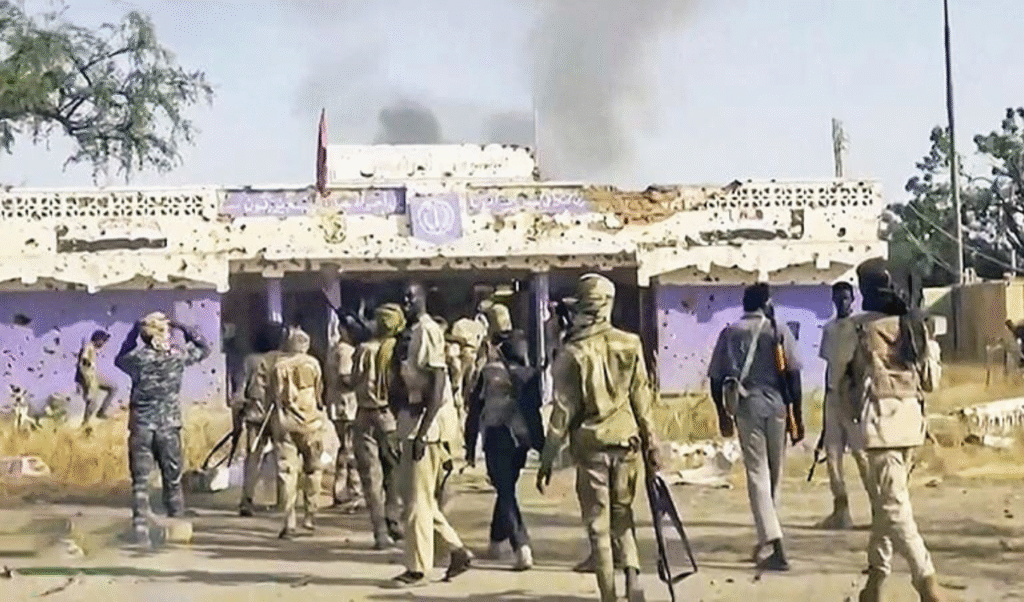
The Rapid Support Forces (RSF), which has been locked in a brutal conflict with the army since April 2023, appears to be preparing an offensive on the central Kordofan region. This move follows its capture of El-Fasher—the last remaining army stronghold in Darfur—just over a week ago.
“The Security and Defence Council will hold a meeting today to discuss the US truce proposal,” the government source confirmed, noting that they were not authorised to brief the media publicly.
The so-called Quad group—comprising the United States, Egypt, the United Arab Emirates, and Saudi Arabia—has been engaged in months of diplomatic efforts aimed at securing a ceasefire in Sudan’s devastating conflict, now entering its third year.
Back in September, the four powers proposed a three-month humanitarian truce, followed by a permanent ceasefire and a nine-month transition towards civilian governance. The suggested plan hinted that both the Sudanese army and the RSF might be excluded from the transitional process. However, the army-aligned government swiftly rejected the proposal at the time.
In the wake of the RSF’s assault on El-Fasher, reports have surfaced detailing widespread atrocities, including mass killings, sexual violence, attacks on humanitarian workers, abductions, and large-scale looting.
The International Criminal Court (ICC) on Monday expressed its “profound alarm and deepest concern” over these reports, warning that such actions “may constitute war crimes and crimes against humanity.”
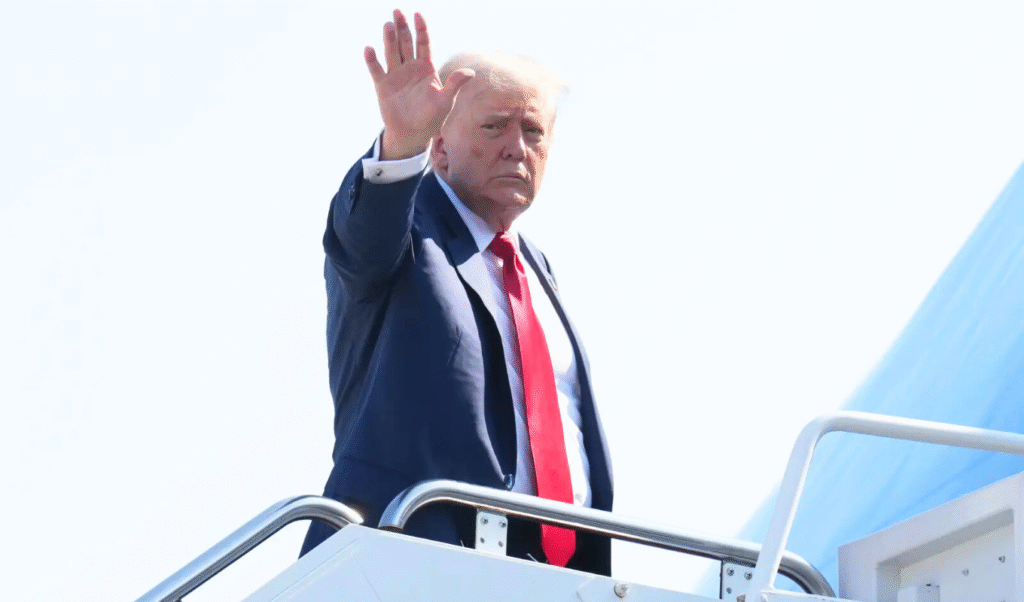
In parallel diplomatic developments, Massad Boulos, the US President’s Senior Advisor for Africa, met with Egyptian Foreign Minister Badr Abdelatty in Cairo on Sunday. During the meeting, Abdelatty underscored “the importance of concerted efforts to reach a humanitarian truce and a ceasefire throughout Sudan, paving the way for a comprehensive political process in the country,” according to a statement from Egypt’s foreign ministry.
The following day, Boulos met with Arab League Secretary-General Ahmed Aboul-Gheit, briefing him on Washington’s latest efforts to “halt the war, expedite aid delivery and initiate a political process,” the League said in its own statement.
Despite multiple international appeals, both warring parties—each accused of grave human rights violations—have continued to ignore calls for a ceasefire.
The UAE has faced United Nations accusations of supplying arms to the RSF, allegations it has repeatedly denied. Meanwhile, the Sudanese army has reportedly received backing from Egypt, Saudi Arabia, Turkey, and Iran, according to regional observers.
The fall of El-Fasher handed the RSF control over all five Darfur state capitals, intensifying fears that Sudan could be effectively split along an east–west divide. Currently, the RSF holds sway over Darfur and parts of the south, while the army maintains control of the north, east, and central regions, stretching along the Nile and the Red Sea.