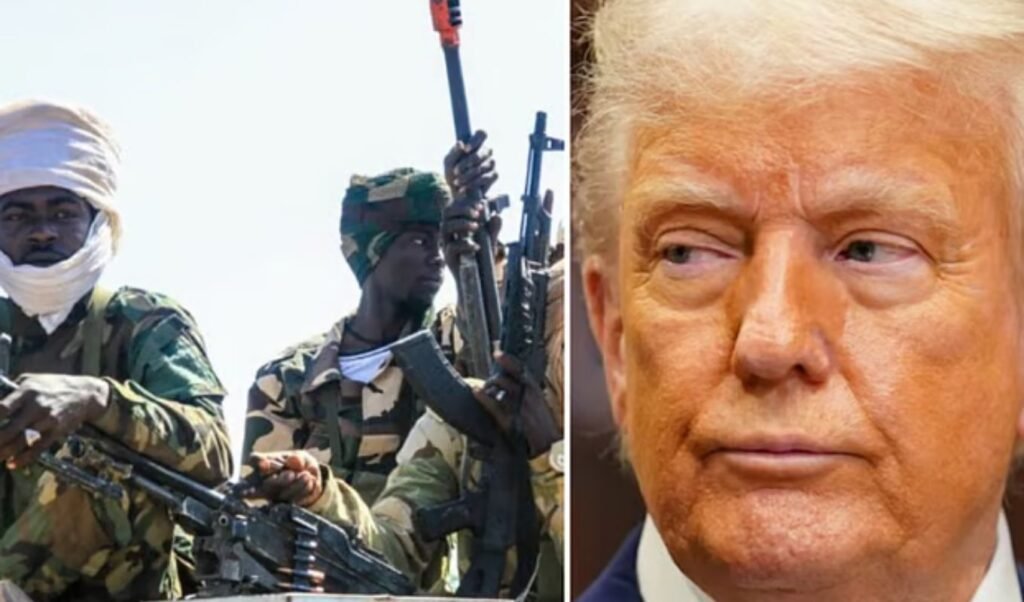
Following Saudi Crown Prince Mohammed bin Salman’s Washington visit, Sudan’s ongoing civil war has returned to the agenda of US President Donald Trump. The White House had already expressed interest in the conflict between Sudan’s Armed Forces (SAF) and the Rapid Support Forces (RSF) since April 2023. The Crown Prince’s visit further accelerated this engagement.
The Red Sea region is strategically crucial for the United States, with regional stability and counterterrorism as priorities. The White House had previously warned that Sudan’s war poses a direct national security threat. To facilitate peace, the US State Department has participated in multiple discussions. Recently, a ‘Quad’ initiative involving the United States, Saudi Arabia, Egypt, and the UAE has been launched to work towards a ceasefire.
Trump noted that Sudan’s conflict had not been on his agenda previously, but gained attention following the Crown Prince’s request. This provides an opportunity for Mohammed bin Salman to strengthen his regional leadership and mediation role. Following Trump’s remarks, US Secretary of State Marco Rubio held discussions with UAE Foreign Minister Sheikh Abdullah bin Zayed, signalling deep US involvement and coordination with Quad partners.
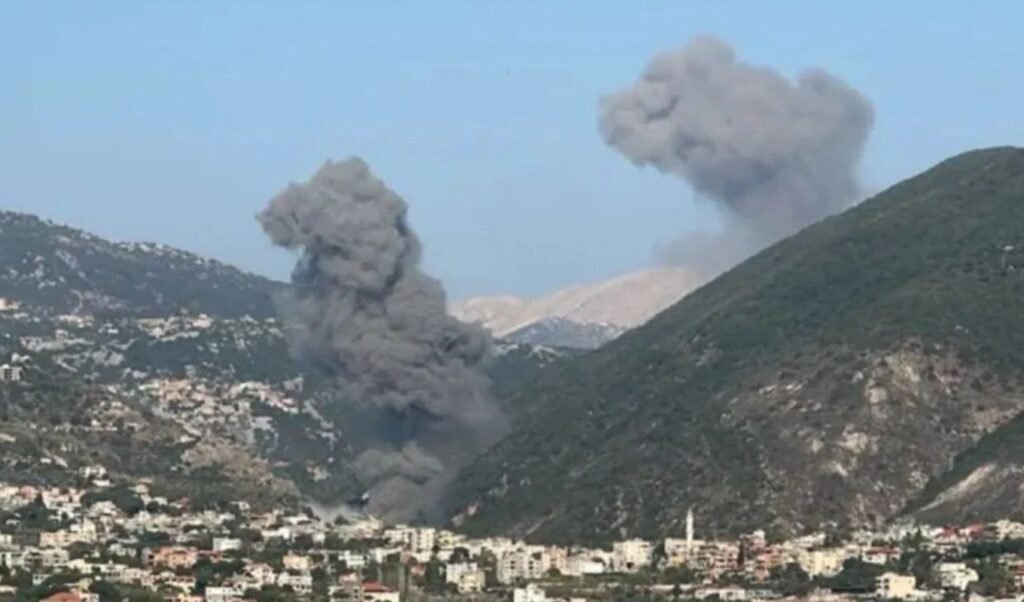
The United Nations has repeatedly highlighted Sudan as facing one of the world’s most severe humanitarian crises, with widespread food and water shortages, destruction of infrastructure, and mass displacement. Internationally, Sudan’s conflict is often termed a ‘forgotten war’ due to lack of attention from major powers.
Sudanese President Abdel Fattah al-Burhan welcomed the Saudi initiative, and RSF expressed support for US engagement. However, the army cited leadership control as an obstacle to peace.
The path ahead remains unclear. Trump’s involvement may accelerate the peace process, but parties benefiting from the war could obstruct long-term solutions. Success requires inclusive local leadership, strong guarantees, and practical implementation. If leveraged correctly, Sudan can move towards a citizen-led future; failure risks triggering a new humanitarian tragedy.
GLIVE/TSN