A recent study conducted by the BRAC James P. Grant School of Public Health has revealed an alarming trend in physical inactivity among adolescents in Bangladesh. The findings, presented on Thursday (18 December) at a workshop held by the Non-Communicable Disease Control programme of the Directorate General of Health Services, indicate that 40 per cent of adolescent boys and 43 per cent of girls aged 10 to 19 are not engaging in sufficient physical activity.
The research highlights that approximately 11 per cent of the country’s adolescents are now overweight or obese. According to the geographical data, teenagers in rural areas remain significantly more active compared to their urban counterparts. Regionally, the highest rates of inactivity were recorded among boys in the Dhaka division and girls in the Rajshahi division. Interestingly, while inactivity has increased among boys since 2018, there has been a slight improvement observed in the activity levels of girls.
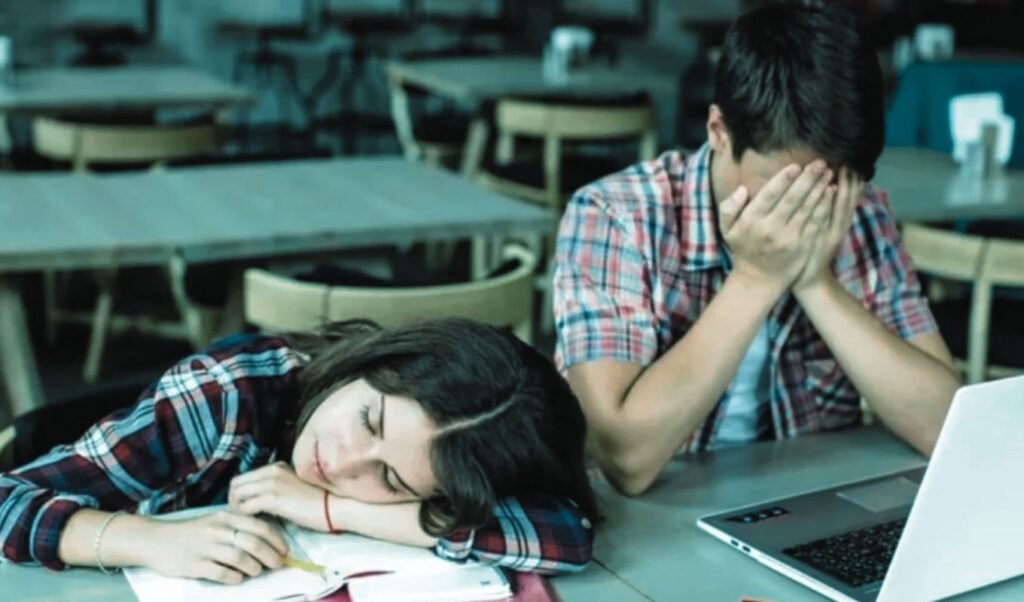
Researchers identified excessive screen time—specifically on computers and mobile phones—as a primary driver of this sedentary lifestyle. Furthermore, sleep deprivation is a major concern, with only 40 per cent of adolescents getting the required amount of rest. Although 58 per cent of respondents claimed to participate in sports or exercise, a substantial number are hindered by technological distractions. On a positive note, 65 per cent of students still commute to school by walking or cycling at least five days a week.
During the workshop, health experts warned that this lack of movement would lead to a rise in long-term health complications such as hypertension, diabetes, and cardiovascular diseases. They emphasised that promoting physical activity is not only crucial for reducing national healthcare costs but is also essential for enhancing future national productivity. The experts called for mandatory physical education in schools and the preservation of playgrounds. It is imperative for families and local communities to create an environment conducive to outdoor activities to safeguard the health of the next generation.
GLIVE/TSN