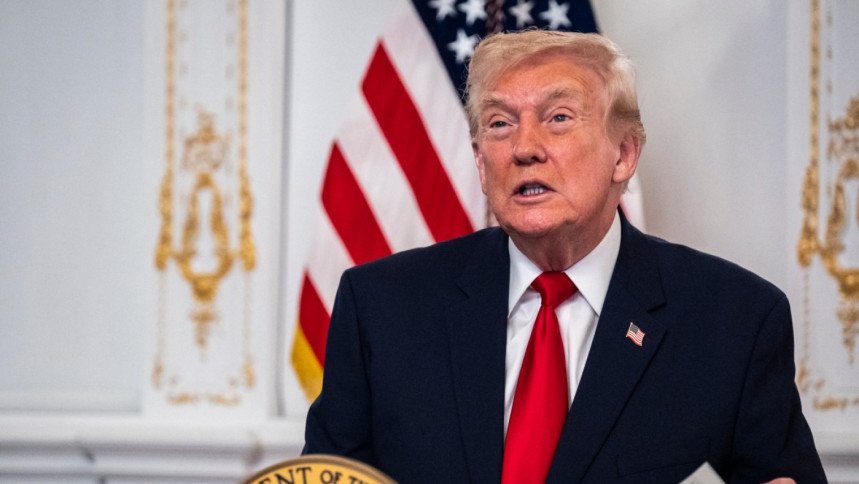
US President Donald Trump has announced a permanent halt to immigration from all Third World countries, signalling a major shift in US immigration policy. He also declared that individuals who have not yet acquired citizenship will no longer be eligible for federal benefits or subsidies.
The announcement came on Thursday, 28 November, via Truth Social, the social media platform popular with Trump supporters. However, the president did not provide details on how this suspension would be executed, leaving the mechanisms and timeline unclear. Previous immigration bans introduced by the Trump administration have faced legal challenges and congressional scrutiny, raising doubts about enforceability.
The announcement comes shortly after a shooting incident near the White House on Wednesday, targeting National Guard members, which has heightened concerns over national security. Trump’s post did not clarify which countries would fall under the Third World designation, but the term typically refers to nations with high levels of poverty and economic instability.
According to the World Population Review and the UNDP’s 2025 Human Development Index, South Sudan, Somalia, the Central African Republic, Chad, and Niger rank lowest, while Bangladesh holds the 130th position. The recent shooting also resulted in the arrest of an Afghan national, further stirring political debate in Washington. Afghan immigrants who entered the US under special programmes in 2021 have had their applications suspended, and Trump indicated that those “not beneficial to the country” would be removed.
Additionally, the administration plans to review green cards issued to citizens of 19 countries. Joseph Edlow, head of Citizenship and Immigration Services, confirmed that he has been instructed to scrutinise green cards of immigrants from “concerned nations,” including Afghanistan, Cuba, Haiti, Iran, Somalia, and Venezuela. This measure represents one of the most stringent immigration policies in recent US history and is expected to have far-reaching implications both domestically and internationally.