In a sweeping crackdown on fraud within the country’s private education sector, the Directorate of Inspection and Audit (DIA) has identified 1,172 teachers and employees who secured their positions using fake or forged academic certificates. The findings have triggered a recommendation to reclaim Tk 253 crore in public funds, representing salaries, allowances, and other payments unlawfully received over the years.
The discovery exposes widespread corruption involving fake appointments, embezzlement, and irregularities related to VAT and income tax, signalling deep-rooted structural weaknesses within the recruitment and oversight system.
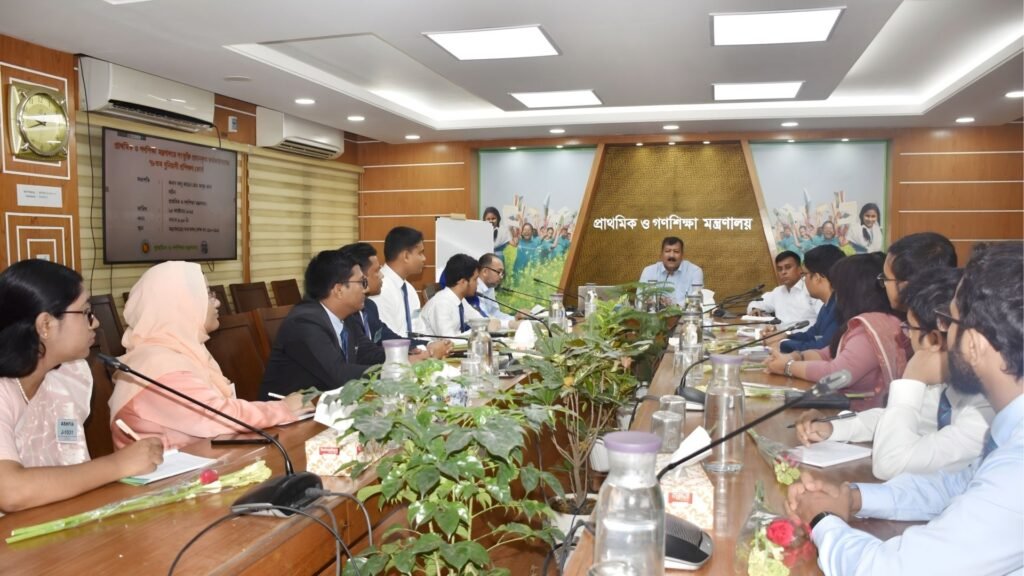
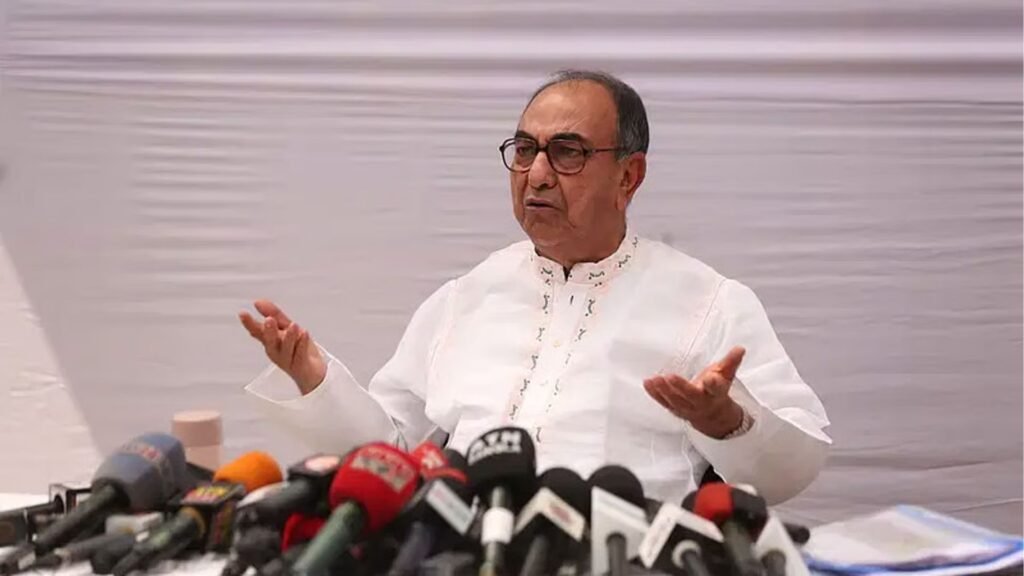
DIA Director Professor M. M. Shahidul Islam said that the agency is in the final stages of preparing a comprehensive list of the fraudulent certificate holders, which will soon be forwarded to the Ministry of Education. The ministry will be requested to initiate strict punitive action against all implicated individuals.
Breakdown of Fraud Across Divisions
The audit indicates that the Rajshahi division recorded the highest number of fake-certificate employees, with 779 cases. The Madrasa Education Directorate accounted for 120 cases, while 70 were detected in Dhaka, 179 in Khulna, and 24 in Chattogram.
Investigators revealed that among the total 1,172 fraudulent individuals, more than 400 presented certificates that were found to be completely fabricated. Nearly 300 certificates were classified as invalid or unacceptable due to inconsistencies, falsification, or missing verification details.
Initial List of 400 Teachers to Face Action
Officials confirmed that the DIA will send an initial list of 400 teachers to the Ministry of Education, marking the first stage of administrative and legal action. These teachers are expected to face severe consequences, including dismissal from service, criminal charges, and the recovery of misappropriated government funds.
The DIA’s findings suggest that the problem extends beyond the teachers themselves. In many cases, institutions failed to conduct proper vetting or deliberately overlooked fraudulent documentation during recruitment. The report hints at possible collusion between applicants and school authorities, enabling unqualified individuals to enter the teaching profession.
Massive Financial Damage and Threat to Education Standards
The Tk 253 crore recovery recommendation underscores the magnitude of financial loss inflicted on the education sector. Officials argue that these funds could have been invested in improving school infrastructure, teacher training, and student services. Instead, they were illegally paid to individuals lacking the qualifications required to educate children.
The presence of unqualified teachers in classrooms has also raised serious concerns about the quality of education delivered to students. Experts warn that academic standards may have suffered for years due to the recruitment of individuals who did not possess the basic credentials needed for teaching.
Government Expected to Act Strongly
The Ministry of Education is expected to review the full report and take swift action. Penalties may include termination, legal prosecution, and administrative sanctions against school authorities involved in negligence or corruption. Institutions found complicit may face further scrutiny and restructuring.
This large-scale exposure of fraudulent certification has sparked renewed calls for reform. Education specialists are urging the government to introduce digital systems for certificate verification, mandatory cross-checking with issuing institutions, and stronger oversight mechanisms to prevent similar abuses in future.