
For music enthusiasts in Dhaka, this year has proven to be profoundly disappointing. One after another, scheduled concerts in the city have been cancelled at the last minute, leaving both artists and audiences frustrated and disheartened. The latest instance occurred on 13 December, when Pakistani singer Atif Aslam’s much-anticipated performance was abruptly called off, sparking a wave of surprise and anger among fans on social media. Despite extensive publicity and active ticket sales, the organisers failed to secure the necessary permits, ensure proper security arrangements, and manage logistical requirements, ultimately rendering the event impossible. Atif Aslam himself expressed regret over the cancellation in a heartfelt message shared on his Facebook page.
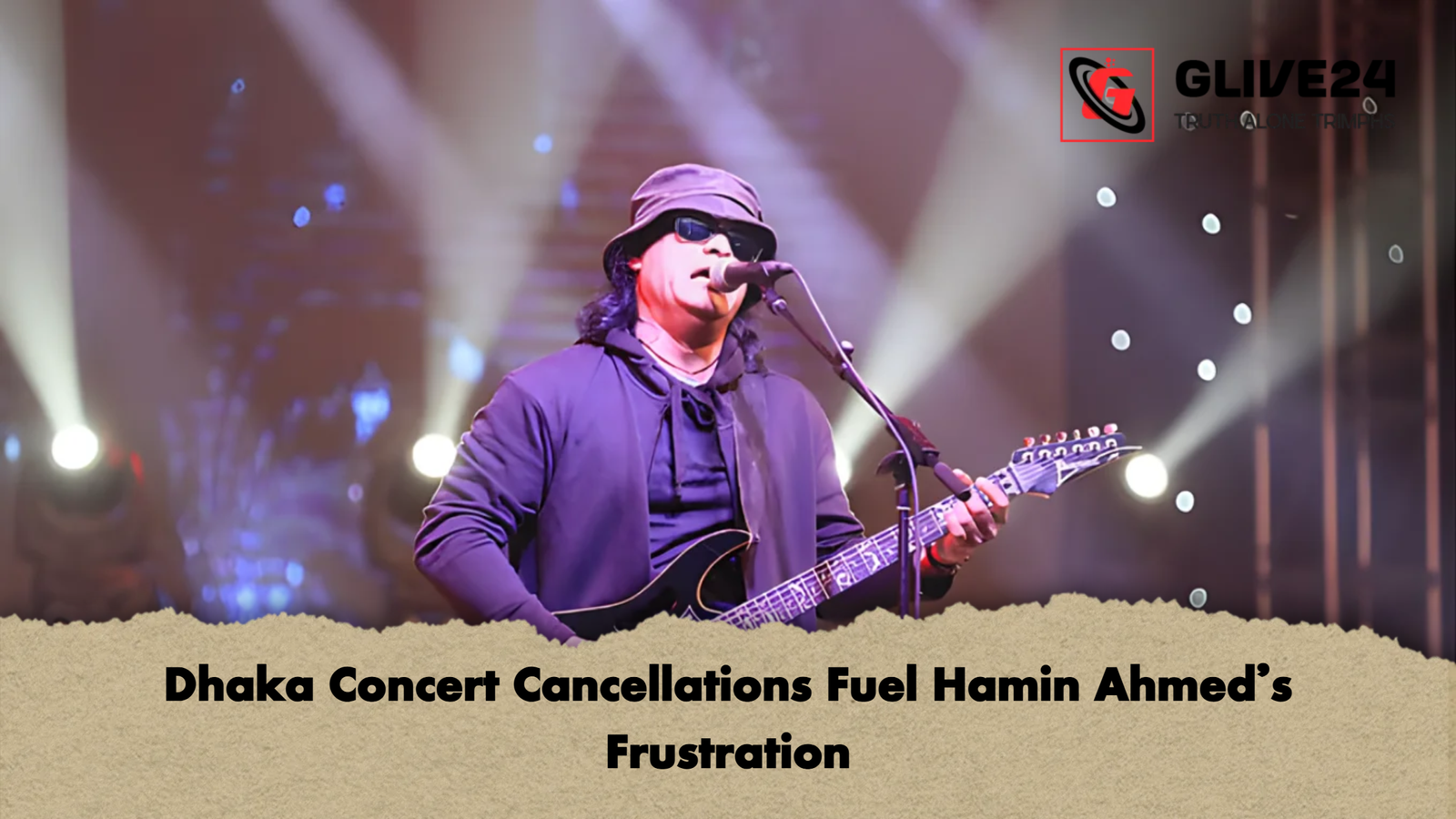
Hamin Ahmed, the celebrated member of the iconic Bangladeshi band Miles, has voiced his strong disapproval over this recurring problem. In no uncertain terms, he stated, “Obtain all permissions first, then promote the concert and sell tickets—that’s the straightforward approach! False promises, excuses, and disappointing music lovers should never undermine the live music experience.”
Hamin further elaborated that multiple concerts in Dhaka this year were publicised and ticketed without proper authorisation, only to be cancelled at the eleventh hour. Such incidents have left artists, fans, and organisers alike frustrated and disappointed. He emphasised, “Promoting an event without approval ruins the audience’s experience and tarnishes the artist’s reputation. By adhering strictly to governmental regulations and security protocols, it is entirely possible to organise successful, high-profile concerts.”
Hamin’s criticism was not confined to the organisers alone; he also targeted political authorities. In a Facebook post, he highlighted that in the country’s 54-year history, no political party has prioritised music within its electoral promises. He questioned, “Plans are announced for everything else—so why not for music?” Through his remarks, Hamin underscored the importance of public accountability and the role of electoral influence in shaping cultural priorities.
In essence, last-minute concert cancellations due to insufficient planning and permits continue to dishearten both performers and audiences. Hamin Ahmed’s candid and pointed critique delivers a clear warning to organisers, artists, and authorities alike: without meticulous planning, adherence to official approval processes, and a genuine commitment to cultural advancement, the dream of hosting enjoyable and successful live concerts in Dhaka remains elusive.