
Khabor Wala Desk
Published: 21st December 2025, 10:43 AM
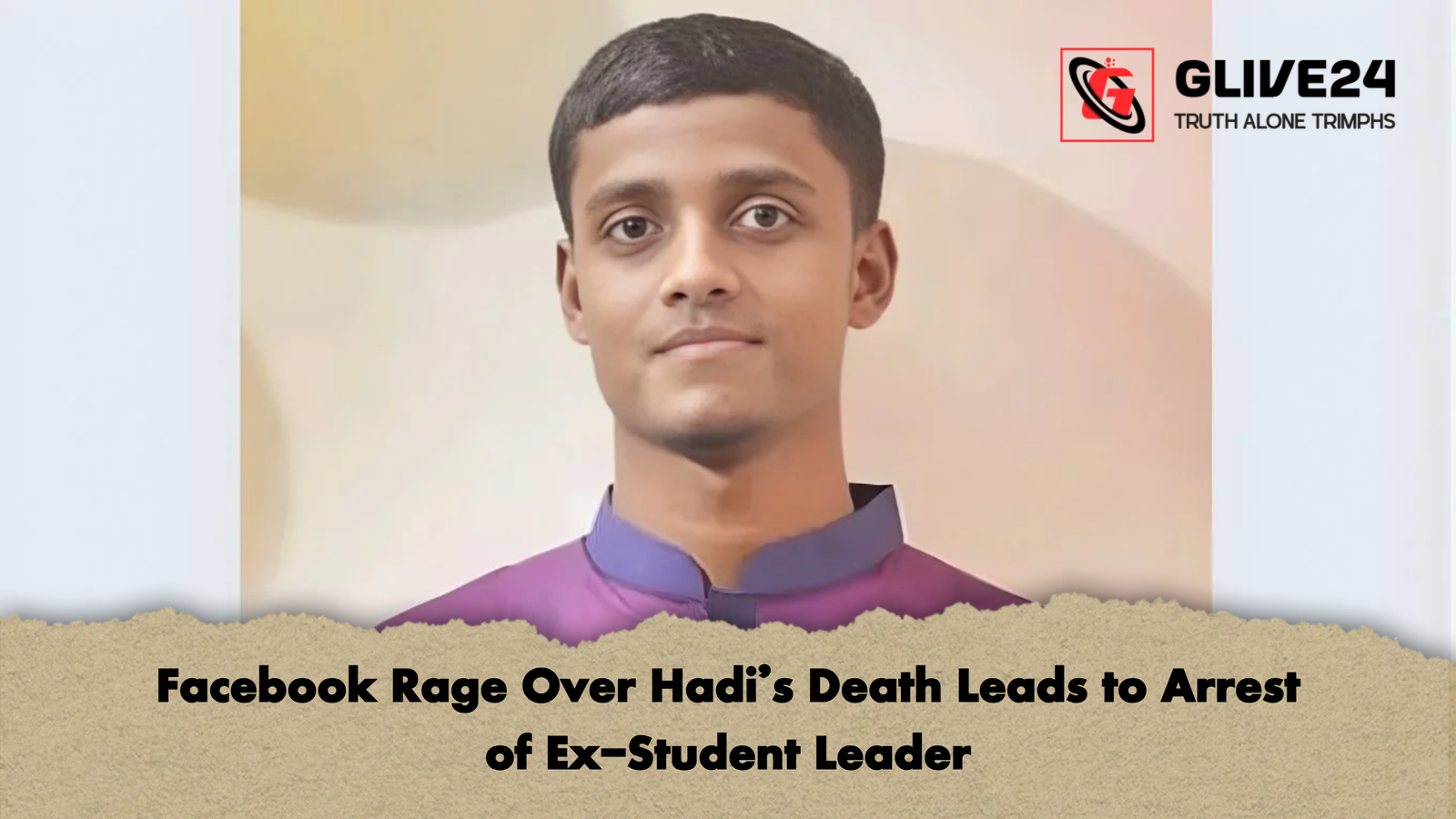
In a significant development in Teknaf, the police have taken into custody Yahia Khan, a former student leader banned from the Bangladesh Chhatra League, following a series of controversial posts on Facebook regarding the assassination of Sharif Osman Hadi, spokesperson for Inquilab Mancha. The arrest took place on the night of Saturday, 20 December, in the Baharchhara area of Teknaf.
Authorities allege that Khan’s posts on his personal Facebook page were intended to provoke public anger. One post, which simply read “OUT” in English, emerged shortly after Hadi’s murder and generated widespread criticism. Local residents expressed outrage at the apparent insensitivity of the remarks, viewing them as a direct affront to the memory of the slain activist.
One particularly sensitive issue was Khan’s objection to Hadi’s burial location. The deceased was laid to rest near the residence of eminent cultural figures, including National Poet Kazi Nazrul Islam, adjacent to Dhaka University. Khan’s public objection to this burial site sparked renewed controversy and accusations of disrespecting national sentiment.
In further posts, Khan controversially described Hadi as a “terrorist,” suggesting that interring the body of an alleged “terrorist” beside prominent historical figures would be unforgivable in the eyes of history. His comments prompted authorities to act swiftly to prevent further public unrest.
The Teknaf Model Police Station Officer-in-Charge, Muhammad Saiful Islam, confirmed the arrest, adding that Yahia Khan has a history of aggressive behaviour linked to the banned student organisation. Khan allegedly participated in attacks on injured students during anti-discrimination protests and has been actively engaged in politically motivated disturbances.
Police have formally lodged cases against Khan under applicable laws, and he has been presented before the court as part of ongoing legal proceedings. Officials stressed that the action was necessary to maintain public order and prevent the spread of content likely to incite violence or social discord.
The incident has reignited national discussions about the boundaries of free speech on social media, particularly when political figures, activists, or victims of political violence are involved. Citizens and legal experts have debated whether online provocations should be punished as criminal acts or addressed through public discourse, reflecting broader tensions in Bangladesh’s social and political landscape.

Comments