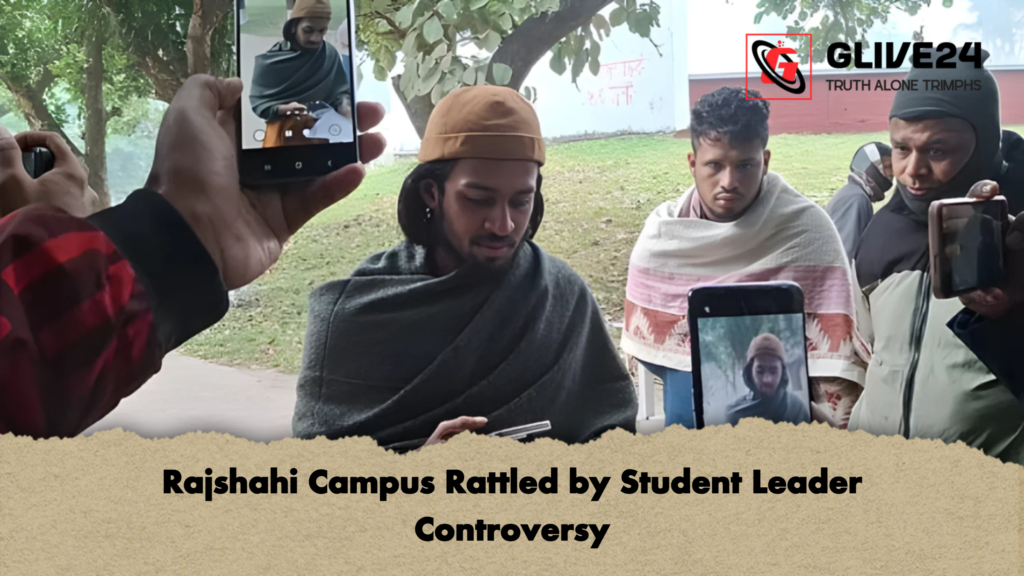
Tensions at the University of Rajshahi have intensified sharply following serious allegations by the university unit of the Jatiyatabadi Chhatra Dal against Salahuddin Ammar, the General Secretary of the Rajshahi University Central Students’ Union (RUCSU). The student organisation has accused Ammar of engaging in conduct tantamount to terrorist-style intimidation, warning that his recent actions and rhetoric have deeply undermined the academic environment and risk plunging the campus into sustained unrest.
The allegations were formally presented in a written statement circulated to the media late on Sunday night. The statement, signed by Siam Bin Ayyub, Assistant Office Secretary of the Rajshahi University unit of Chhatra Dal, contends that Ammar has repeatedly breached the norms of restraint, responsibility and civility expected of an elected student representative. Instead of constructive engagement, the organisation claims, his behaviour has been marked by threats, inflammatory language and actions incompatible with the values of a public university.
According to university sources, the controversy took shape last Thursday when Ammar posted a series of messages on his personal Facebook profile and in a group titled “Rajshahi University Parliament”. In those posts, he reportedly issued an ultimatum demanding the resignation of several deans whom he labelled as aligned with the ruling Awami League. He further warned that any dean seen occupying their office chair would be subjected to abusive remarks and unspecified consequences, using phrases interpreted by critics as veiled threats. Matters escalated the following day when Ammar allegedly declared that teachers or officials accused of supporting “Awami fascism” would be tied up in front of the administrative building if they continued in service.
Chhatra Dal described these statements as direct threats against teachers, officers and employees, arguing that such language reflects an approach rooted in coercion rather than democratic dissent. The organisation warned that repeated displays of aggressive and menacing behaviour by a student leader risk normalising intimidation on campus and eroding respect for academic authority.
The statement also criticised the re-emergence of what it termed a “padlocking culture”, whereby offices are forcibly shut as a means of protest. Such practices, it argued, evoke memories of past authoritarian periods and recall earlier incidents in which senior university officials, including a former pro-vice-chancellor, were publicly humiliated. Those episodes were described as a dark and shameful chapter in the institution’s history. Invoking the legacy of martyr intellectual Dr Shamsuzzoha, Chhatra Dal cautioned that any calculated attempt to insult or physically threaten teachers at this historic university would be firmly resisted.
At the same time, student leaders emphasised that allegations of authoritarian collaboration should be addressed through lawful and evidence-based processes. They accused some individuals operating under the banner of “coordinators” in the post-uprising period of attempting to impose a culture of fear and intimidation. Exemplary punishment was demanded for anyone seeking to destabilise the university through baseless accusations and threats.
University unit president Sultan Ahmed Rahi and general secretary Sardar Jahurul Islam jointly stated that threats and aggressive conduct towards teachers and staff constitute a grave danger to the academic environment and are wholly unacceptable from any student leader.
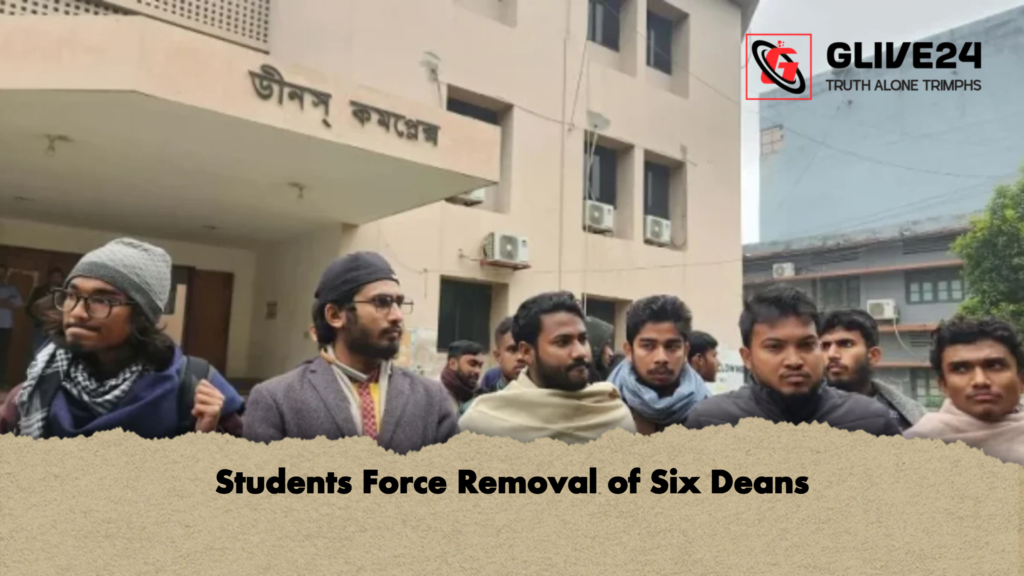
Meanwhile, on Sunday morning, Ammar led a programme demanding the resignation of deans from six faculties. He staged a sit-in in front of the RUCSU building, telephoned the concerned deans in the presence of journalists, and later a group of students padlocked several offices at the Deans’ Complex and the administrative building. The locks were removed later in the day following assurances from the university administration.