
Khabor Wala Desk
Published: 28th December 2025, 2:45 PM
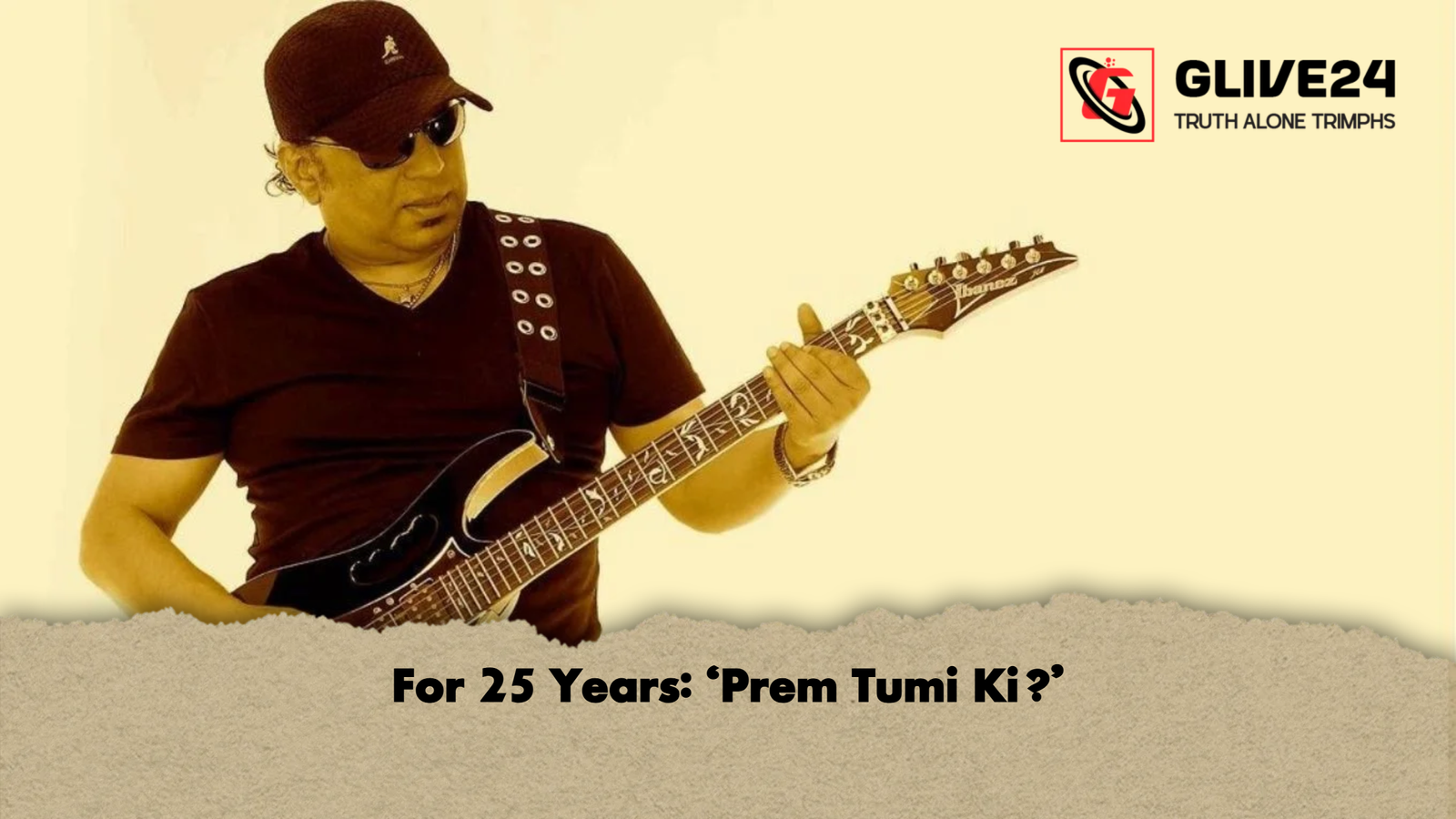
The year 2000 was remarkable for music enthusiasts in Bangladesh, not only because it witnessed three Eids, including two Eid-ul-Fitr celebrations, but also because one of these Eids—on 28 December 2000—marked the release of a landmark album in Bangladeshi music history: Prem Tumi Ki? by Ayub Bachchu. At a time when band music was surging in popularity, crowded music stores saw eager fans queuing to buy albums, and Bachchu’s release quickly captured the nation’s imagination.
This album was a turning point in Bachchu’s solo career. While his previous solo works, Shomoy (1997) and Eka (1999), received critical acclaim, they fell short of achieving substantial commercial success. For Prem Tumi Ki?, Bachchu took a bold creative step: he wrote all the songs himself, continuing his longstanding tradition of composing the music.
Upon release, the album achieved instant popularity, particularly with the track Ural Debo Akashe. A pop-rock number, its lyrics—“Jomidar shudhu jane, shob byata tare mane / Prithibita tar dokhole, shobkichu tar kobole…”—combined with Bachchu’s signature guitar riffs and emotive vocals, turned it into an enduring classic.
Another major hit was Ek Chala Tin-er Ghor, a pop-folk rock composition blending folk sensibilities with rock elements, demonstrating Bachchu’s versatility. Meanwhile, Ei Shohor Ekhon Ghumie Geche evoked nostalgia for the 1990s Bachchu, capturing urban solitude with lines such as “Shudhu jege achhi ami / Ar jege achho tumi…,” striking a chord with listeners even decades later.
The album also featured understated gems:
| Song Title | Genre | Distinctive Feature | Notable Lyrics |
|---|---|---|---|
| Prem Tumi Ki? | Classic Rock Ballad | Melodic rock with heartfelt vocals | “Prothom dekhae tomar du chokh dekhe bhule jai ami prithibi…” |
| Pratiti Vore Pratiti Khon | Romantic Pop | Expresses deep love and tenderness | “Shudhu eituku chawa ei amar jibone / Jotodin bachi ami…” |
| Kichu Nei Amar | Melo-Rock | Emotive composition, melancholic theme | “Bishash venge-chure hoye geche ekakar / Nissho e ami chara…” |
| Shudhu Ki Amar Bhul | Melo-Rock | Melancholy and reflection | “Je pothe eshechh, sei pothei phirechh…” |
| Baba Tomar Kotha Mone Pore | Melo-Rock | Addresses parental absence and emotional pain | “Tomar-o ki amar moto kore / Byathagulo gobhira kane…” |
| Susmita | Pop-Rock | Rhythmic pattern with background vocal motifs | Repetitive “Susmita mone rekho” enhances modern appeal |
| Moumita | Pop-Rock | Confident vocal portrayal of a lover | Bold vocal delivery with energetic composition |
| Protishodh | Pop-Melo | 1980s pop influence with lyrical depth | “Tomar jibone jokhon ashbe fagun, jalbo agun…” |
| Chhobi Ako Ichhe Moto | Dynamic Pop | Uplifting, inspirational theme | “Nishongkocho tumi becho thako / Nijer moto shukher chhobi ako…” |
Bachchu’s mastery shines across these tracks, from melancholic reflections on lost love to celebratory anthems of self-expression. Songs like Prem Tumi Ki? and Pratiti Vore Pratiti Khon highlight his ability to intertwine lyrical poetry with compelling melodies. Meanwhile, Kichu Nei Amar and Baba Tomar Kotha Mone Pore reveal profound emotional depth, resonating with listeners’ personal experiences.
Even 25 years after its release, Prem Tumi Ki? remains a milestone in Ayub Bachchu’s career—a colourful commercial success and a repository of songs that continue to touch hearts. Its blend of melodic rock, pop, and folk influences ensures its relevance and charm, proving that true music transcends time.

Comments