
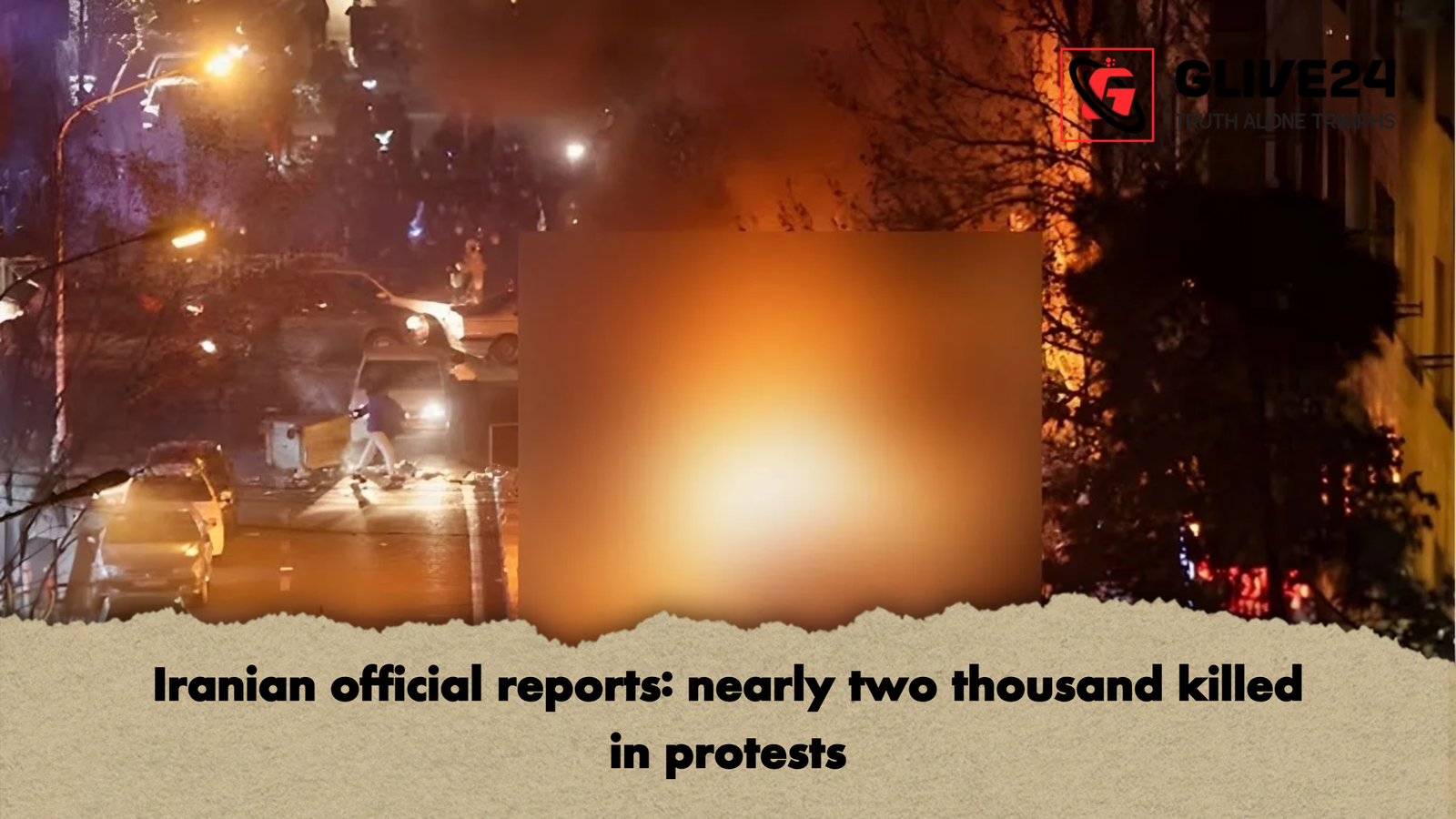
Tehran, 13 January 2026 — Iran is currently engulfed in one of the most severe domestic crises since the 1979 Islamic Revolution, with government sources claiming that nearly 2,000 people have died in ongoing protests. On Tuesday, an Iranian official told Reuters that “terrorists” were responsible for the deaths of both civilians and security personnel.
The unrest erupted on 28 December in response to soaring consumer prices, and has since escalated into nationwide demonstrations that have posed an unprecedented challenge to Iran’s ruling authorities. In a bid to contain the situation, the government has implemented extraordinary measures, including near-total internet shutdowns and intensified security operations across the country — steps never previously witnessed during earlier periods of unrest.
Human Rights Figures
According to the US-based human rights organisation HRANA, at least 490 protesters and 48 members of the security forces have been confirmed dead. The same organisation reports that over 10,600 people have been detained in just two weeks of unrest, highlighting the scale of the government crackdown.
| Category | Confirmed Deaths | Arrests |
|---|---|---|
| Protesters | 490 | 10,600+ |
| Security Forces | 48 | – |
| Total | Nearly 2,000 (official Iranian claim) | 10,600+ |
Eyewitnesses describe the situation on the streets as harrowing. A resident of Tehran told BBC Persian: “Friday was terrifying. The crowds were unbelievable, and gunfire could be heard everywhere. By Saturday night, however, the streets had become somewhat calmer.” An Iranian journalist added: “Going out now is almost like inviting death.”
The crisis is not limited to internal unrest. International pressure is mounting, with US President Donald Trump repeatedly warning of potential military action. This comes just seven months after a 12-day conflict between Iran and Israel, during which the United States targeted Iran’s strategic nuclear sites — a confrontation that visibly weakened Tehran’s position on the global stage.
Despite these pressures, Trump has suggested that the current turmoil may offer Iran an opportunity to return to diplomatic negotiations, signalling a potential shift towards dialogue at the international level.
As Iran struggles to regain control, the coming weeks will be critical in determining whether the country can stabilise internally or whether the unrest will continue to spiral, exacerbating both domestic hardship and geopolitical tensions.