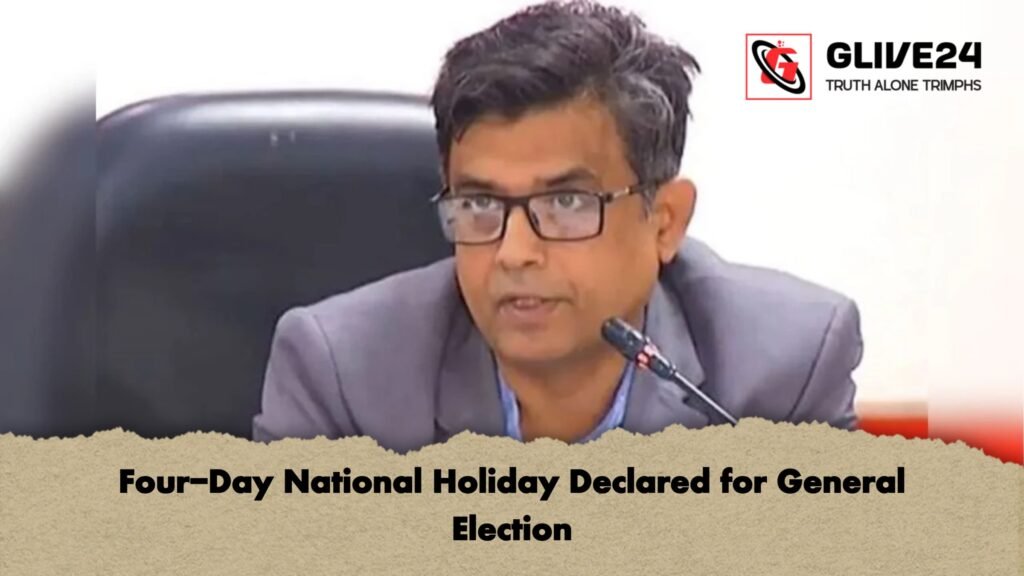
In a move that has ignited intense discussion across social media platforms, the interim government has officially announced an extended holiday period to facilitate the upcoming 13th National Parliamentary Election. The announcement, delivered by Shafiqul Alam, Press Secretary to the Chief Adviser, during a briefing at the Foreign Service Academy on Thursday afternoon, sets the stage for a four-day nationwide hiatus intended to ensure maximum voter participation.
Table of Contents
A Strategic Extension of Civil Rights
While 12 February—the scheduled polling day—was already marked as a public holiday, the Advisory Council has now formally declared 11 February as an additional general holiday. This decision is aimed at easing the logistical nightmare often associated with mass migration in Bangladesh during major national events. By extending the break, the government hopes to allow citizens ample time to travel to their home constituencies without the chaos of a last-minute rush.
Crucially, the government has placed a special emphasis on the industrial sector. Recognising that millions of workers are employed in industrial belts far from their voting districts, holidays have been sanctioned for them on both 10 and 11 February. This allows the industrial workforce a total of three days of dedicated leave leading into the election, ensuring that even those residing in the most remote corners of the country can exercise their right to vote.
Consolidated Election Holiday Timetable
| Date | Category | Target Demographic | Duration |
| 10 February | Industrial Holiday | Factory workers and staff | Day 1 |
| 11 February | General Holiday | All citizens (Public & Private) | Day 2 |
| 12 February | Polling Day | National Public Holiday | Day 3 |
| 13 February | Weekend | Regular Friday Holiday | Day 4 |
Addressing Logistical Hurdles
The decision to grant industrial workers leave starting from 10 February is being hailed as a pragmatic solution to a perennial problem. In previous election cycles, the surge of millions of workers exiting cities like Gazipur, Narayanganj, and Savar has led to dangerous overcrowding on ferries and buses. By staggering the holiday, the government aims to de-congest the transport network and reduce the risk of travel-related accidents.
Beyond the logistics of transport, this extended break serves a dual purpose in terms of national security. With most commercial and industrial activities paused, law enforcement agencies can divert their full attention to maintaining peace and order at polling stations across the country.
Public Sentiment and Economic Outlook
While some economists express concern over the temporary halt in production—particularly within the vital Ready-Made Garment (RMG) sector—the general consensus is that a peaceful and inclusive election is a necessary investment for the country’s future. Social media remains flooded with posts from citizens planning their journeys home, reflecting a high level of public engagement with the electoral process.
The Press Secretary concluded the briefing by reminding the public that these holidays are a “facilitation of democracy,” urging every eligible voter to return to their respective constituencies and participate in the landmark poll.