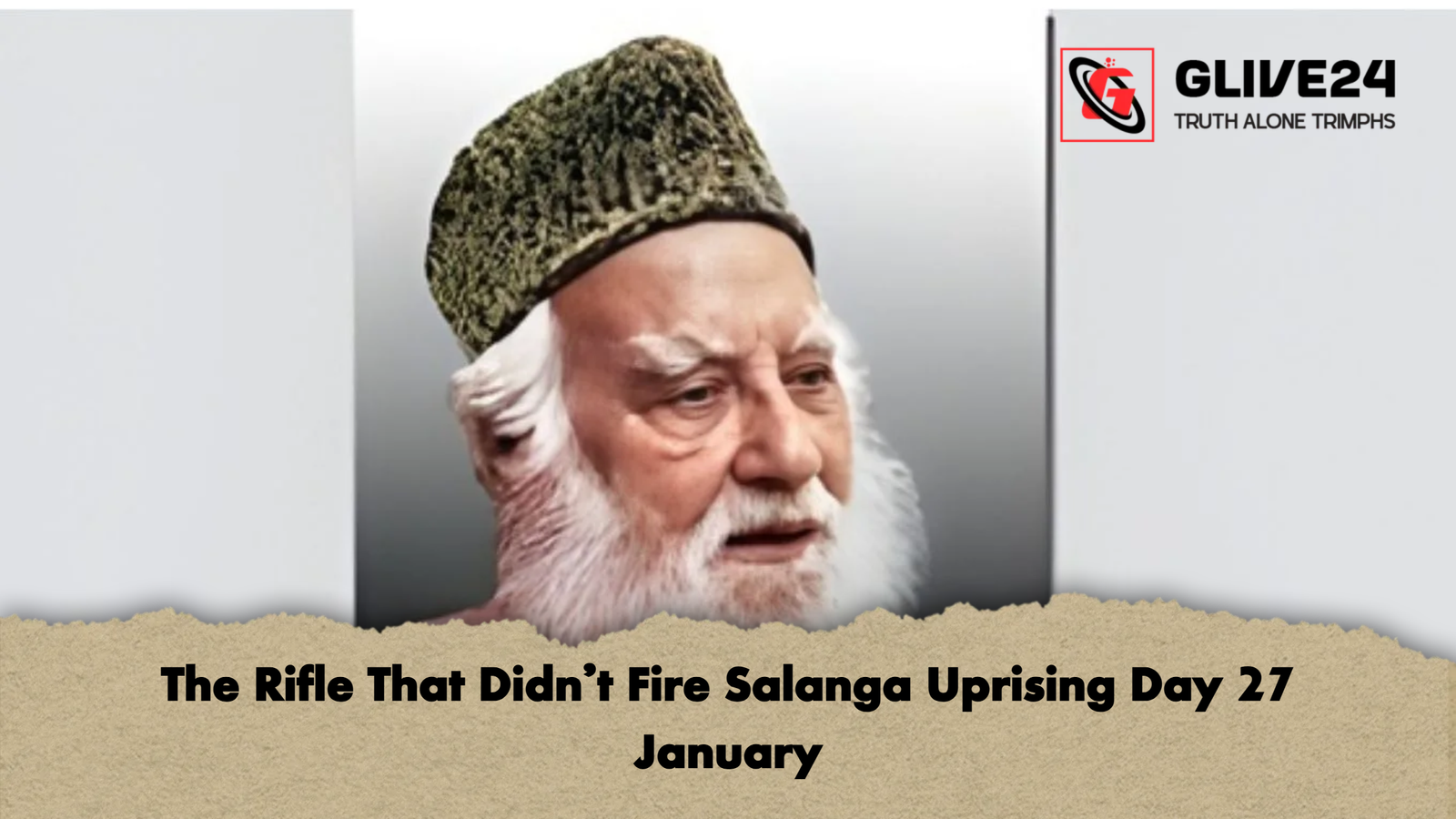
Today, 27 January, marks a solemn anniversary in the history of Bengal and the wider Indian subcontinent — the Salanga Uprising of 1922. On this day, thousands of unarmed civilians lost their lives at the hands of the British colonial administration in the bustling market town of Salanga. According to historical records, the number of fatalities, including both activists of the Swadeshi (domestic goods) boycott movement and ordinary market-goers, reached nearly 4,500.
At the time, Bengal was a cauldron of political unrest. The Non-Cooperation Movement and the Khilafat Movement had mobilised people across all strata of society against British imperialism. Citizens were boycotting British goods and promoting local handicrafts and products, asserting economic self-reliance as a tool of resistance. In Salanga, a key commercial hub with its twice-weekly market, these movements found a passionate following.
The Events of 27 January 1922
The day fell on a Friday, a major market day. Led by the eminent scholar and political leader Maulana Abdur Rashid Tarkabagish, activists gathered in Salanga market to halt the sale of British goods. The peaceful demonstration was met with swift and brutal suppression. The British authorities deployed approximately forty armed policemen, including district magistrate R. N. Das, the Superintendent of Police, and the Subdivisional Officer S. K. Sinha, all wearing the distinctive red turbans of the colonial police.
The confrontation began near the Swadeshi workers’ office in Salanga’s cattle market. Maulana Tarkabagish was arrested, and the news quickly sparked outrage among the townspeople. Protesters took to the streets demanding his release, and what began as a demonstration escalated into an outright revolt. The magistrate, witnessing the surge of angry citizens, ordered the police to open fire. Bullets rained down indiscriminately. Notably, one rifle in the hands of a Brahmin constable did not fire, a small yet poignant footnote in the tragedy.
The exact number of casualties remains uncertain, but historians agree that Salanga’s soil ran red with the blood of its martyrs. The uprising sent shockwaves through colonial Bengal, emboldening subsequent movements for independence across the subcontinent.
Even today, the sacrifice of those who fell in Salanga is remembered as a cornerstone in the struggle for Indian self-rule. Their courage underlined the power of non-violent resistance and the enduring impact of collective defiance against oppression.
Salanga Uprising — Key Facts
| Date | 27 January 1922 |
|---|---|
| Location | Salanga, Sirajganj District, Bengal |
| Movement | Non-Cooperation & Khilafat |
| Leader | Maulana Abdur Rashid Tarkabagish |
| Casualties | Approx. 4,500 (including civilians & activists) |
| Police Deployed | 40 armed officers |
| Notable Fact | One rifle in a Brahmin constable’s hand did not fire |
On this historic day, we pay deep homage to the fallen heroes of Salanga, honouring their memory and the sacrifices that paved the way for the independence struggle across Bengal and the subcontinent.