Khabor Wala Desk
Published: 29th January 2026, 3:32 AM
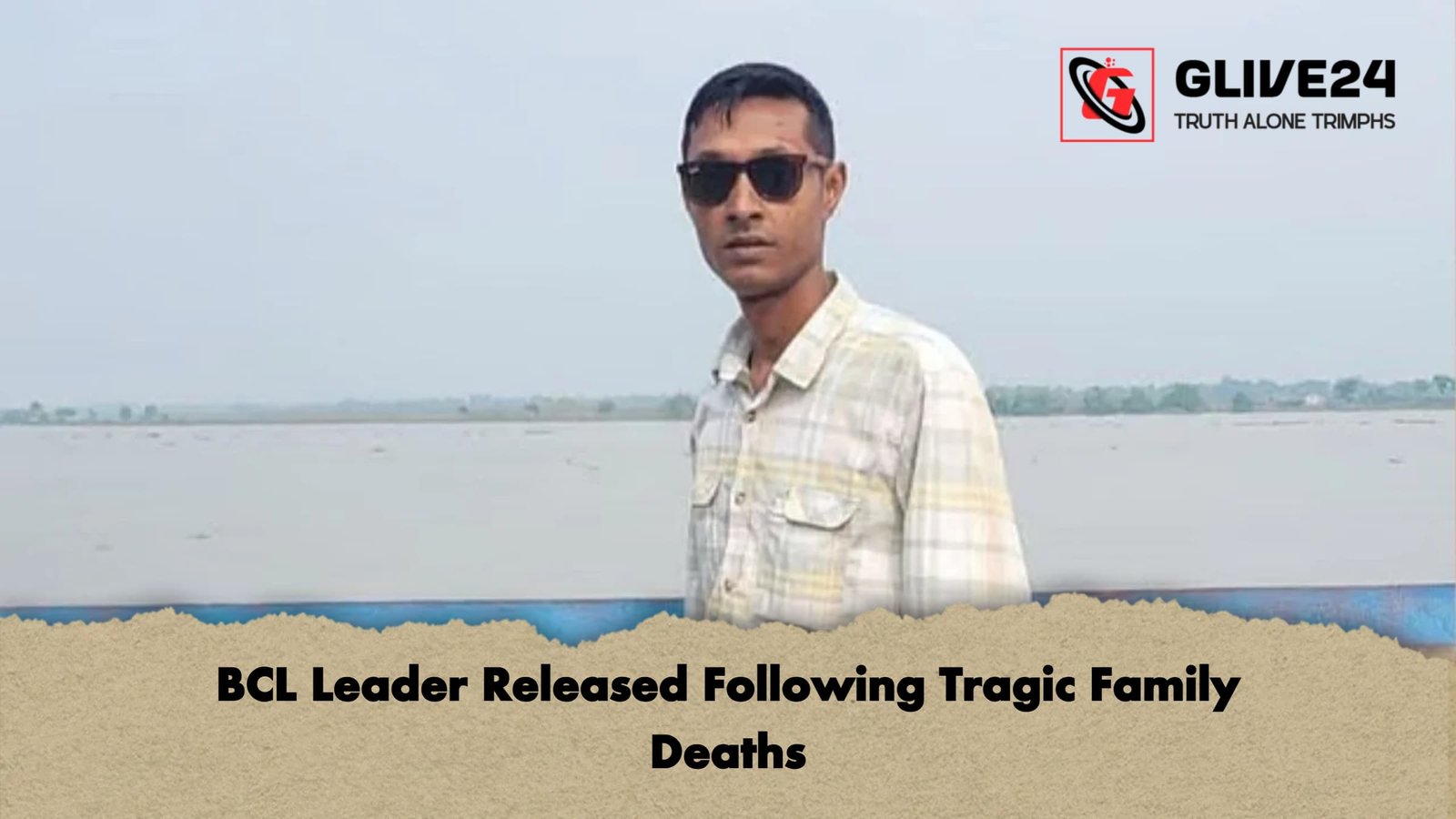
In a poignant conclusion to a harrowing week, Jewel Hassan (Saddam), a prominent leader of the Bangladesh Chhatra League (BCL), has been released from Jessore Central Jail. His departure from custody on Wednesday afternoon comes just four days after the tragic and unexplained deaths of his wife and nine-month-old infant son—a case that has sparked significant national outcry and severe criticism of prison protocols.
Saddam, who served as the President of the Bagerhat Sadar Upazila unit of the BCL, was granted a six-month bail by the High Court on Monday. His release was confirmed by Senior Jail Superintendent Asif Uddin, following his departure from the facility at approximately 2:00 PM.
The circumstances leading to his release have been marred by profound grief. On 23 January, police discovered the hanging body of his 22-year-old wife, Kaniz Suborna (Shornali), alongside the lifeless body of their nine-month-old son, Sejad Hassan (Nazif), at their residence in Sabekdanga village.
When Saddam was initially denied parole to attend the funerals, his family took the extraordinary and desperate step of transporting the bodies in an ambulance to the Jessore Central Jail gates on 24 January. Under intense public scrutiny and media pressure, authorities allowed him a mere five minutes to view his deceased family members through the prison gates—a scene that many described as a low point for administrative empathy.
Saddam’s legal journey began following the political upheaval of August 2024. His detention history reflects the shifting administrative landscape of the past year:
| Date | Event |
| April 2025 | Arrested in Gopalganj. |
| 12 December 2025 | Transferred from Bagerhat Jail to Jessore Central Jail. |
| 23 January 2026 | Deaths of wife and infant son discovered in Bagerhat. |
| 24 January 2026 | Brief five-minute viewing of the bodies at the Jessore Jail gate. |
| 26 January 2026 | High Court grants six-month bail. |
| 28 January 2026 | Official release from Jessore Central Jail. |
The release itself was shrouded in a degree of secrecy that drew the ire of local journalists. For several hours, members of the press waited at the prison gates for confirmation, only to be met with silence from prison officials. It was only later in the evening that Asif Uddin, Assistant Commissioner of the Jessore District Administration, confirmed that the legal formalities had been concluded and Saddam had been freed.
Upon returning home, Saddam’s brother, Shahidul Islam, noted that the administration had discouraged the family from engaging with the media. Reportedly, Saddam spent his first hours of freedom at the graves of his wife and child, where he was seen breaking down in inconsolable grief.


Comments