
Khabor Wala Desk
Published: 7th February 2026, 7:06 AM
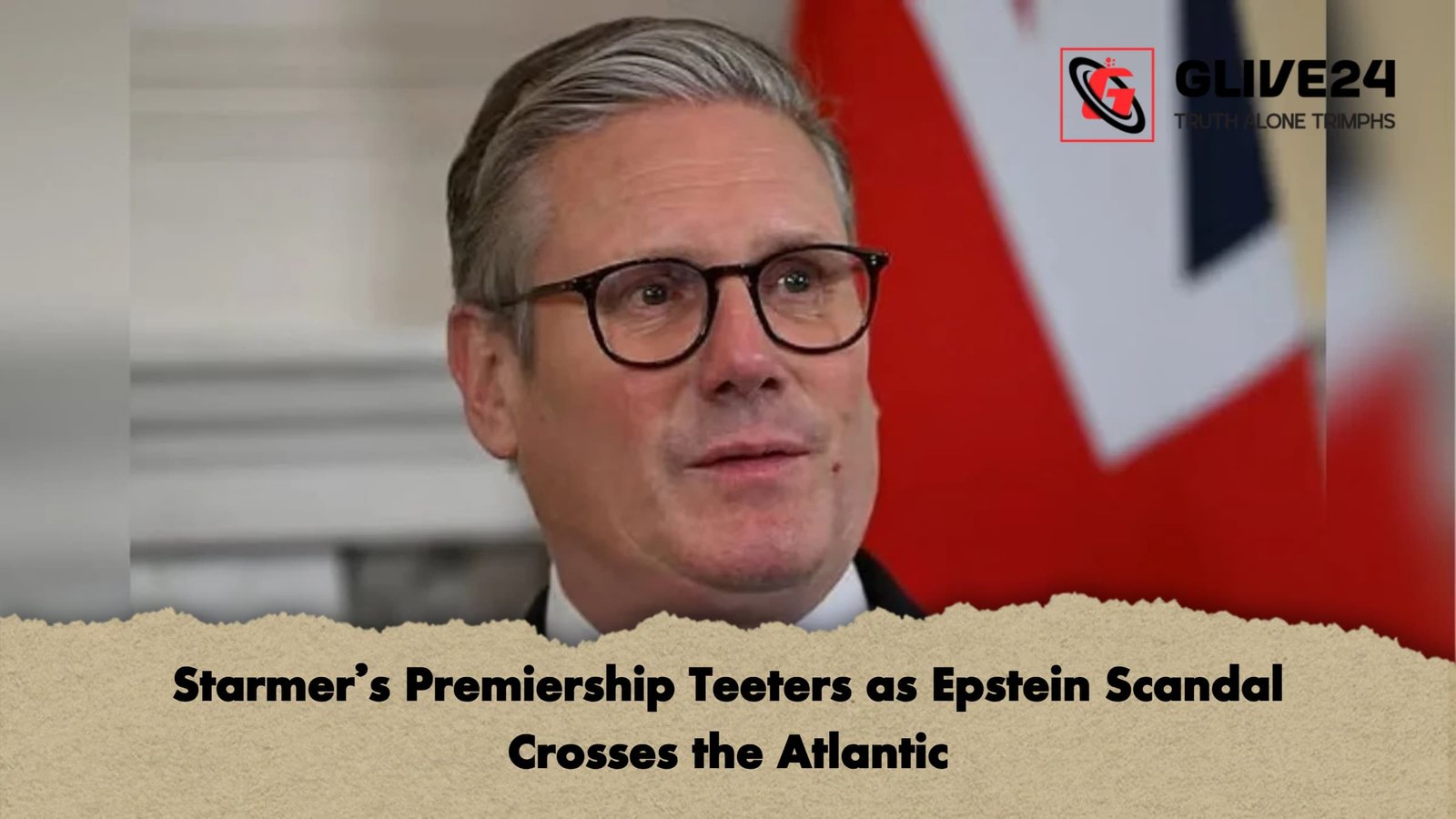
While Prime Minister Sir Keir Starmer has never been personally linked to the disgraced financier Jeffrey Epstein, the secondary shockwaves of the Epstein files are currently destabilising his administration. In a striking geopolitical contrast, Donald Trump appears increasingly insulated from the same fallout in Washington. The disparity highlights a fundamental divergence in political accountability: as British institutions demand transparency, the Republican-controlled Congress and a loyalist Department of Justice provide the American President with a formidable shield.
Table of Contents
The crisis at 10 Downing Street reached a fever pitch following revelations concerning Peter Mandelson, the architect of New Labour often dubbed the ‘Prince of Darkness’. Despite Starmer’s previous attempt to distance the party from Mandelson, the newly unsealed documents suggest that during the 2008 financial crisis, Mandelson allegedly leaked sensitive state secrets and market-moving intelligence to Epstein. For Wall Street speculators, such data was of incalculable value.
Mandelson has since resigned from the House of Lords and the Labour Party, facing a criminal investigation that has left Starmer’s leadership looking fragile. Addressing a hostile press corps, the Prime Minister admitted, “It was known that Lord Mandelson was acquainted with Epstein, but the profound depravity of that connection was hidden from us all.”
The volatility in London stands in stark contrast to the relative calm in Washington. While US Presidents enjoy fixed terms and a partisan firewall, a British Prime Minister’s tenure is subject to the immediate confidence of their party and Parliament. Having churned through five leaders in eleven years, the UK remains in a state of perpetual political flux.
Starmer’s “helpless” performance at the dispatch box last Wednesday has fuelled whispers of a leadership challenge. Unlike Trump—who responded to the news of the Clintons being called to testify with a performative, almost mocking “sympathy”—Starmer cannot afford the luxury of indifference. He is bound by a system where the opposition is “predatory” and the backbenchers are increasingly rebellious.
| Feature | United Kingdom (Starmer) | United States (Trump) |
| Direct Involvement | None; linked via political allies. | Frequently mentioned in flight logs/files. |
| Institutional Response | Immediate resignations and criminal probes. | Congressional deadlock and DOJ protection. |
| Leadership Stability | High risk; facing potential party coup. | Secure; bolstered by a loyalist majority. |
| Public Sentiment | Demand for total accountability. | Deeply polarised; “scandal fatigue”. |
The reach of the Epstein files now extends from Norway to Poland, proving that the financier’s “poisonous shadow” continues to topple the powerful seven years after his death in a Manhattan jail cell. For the British monarchy, the resurgence of the scandal—specifically regarding Prince Andrew—represents an existential threat to the institution’s modern relevance.
As the investigations intensify, Starmer finds himself fighting for survival. The “Epstein Storm” has not only exposed the murky intersections of wealth and power but has also highlighted the terrifying speed at which a British premiership can unravel when the ghosts of the past are invited into the halls of government.




Comments