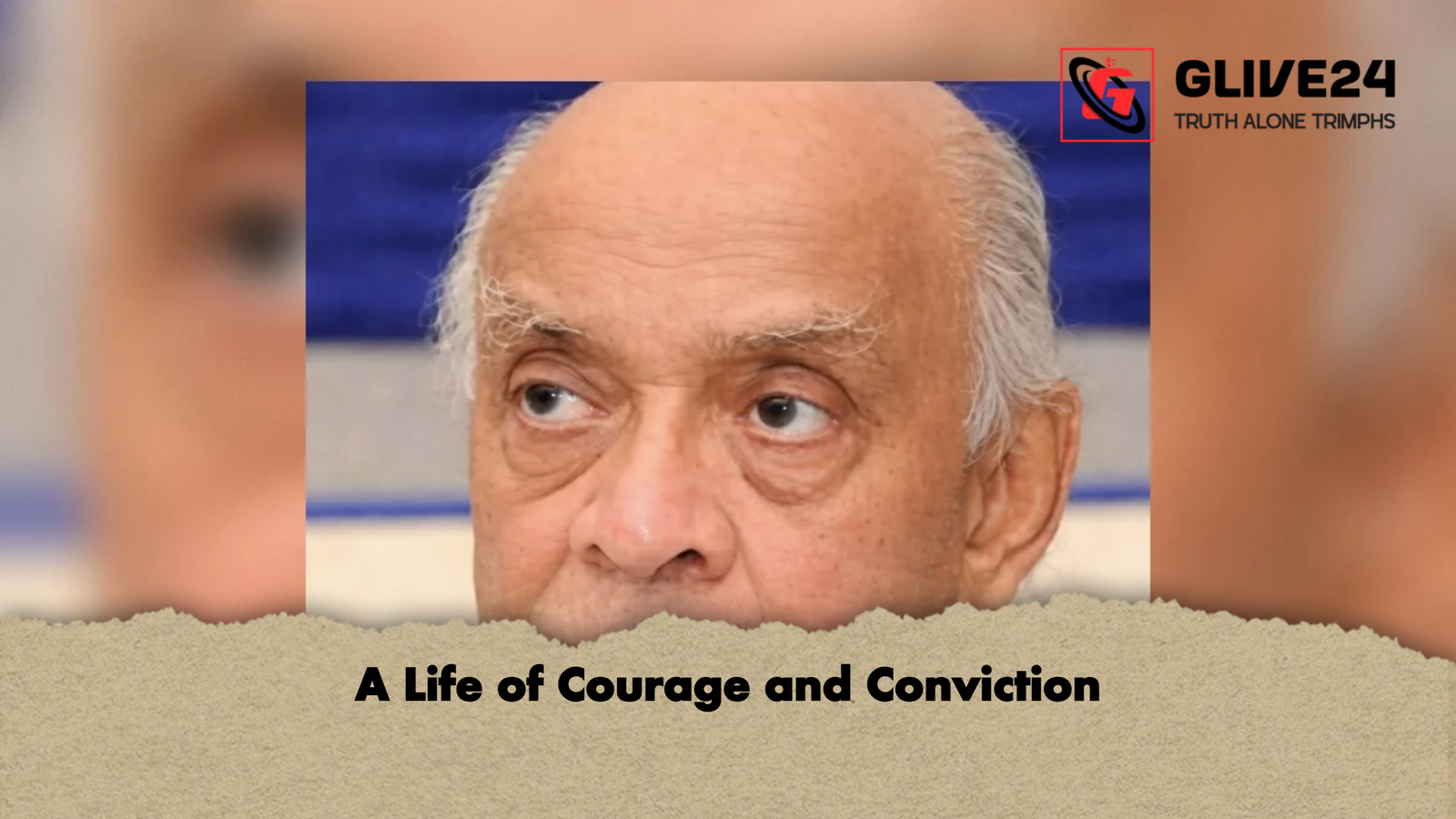
In the annals of Bangladesh’s War of Independence, the name of Kazi Nuruzzaman stands with enduring respect. A decorated sector commander, intellectual, and lifelong advocate of progressive ideals, he embodied both military excellence and principled civic engagement.
Table of Contents
Early Life and Education
Born on 24 March 1925 in Jessore, Nuruzzaman was the son of Khan Sahib Kazi Sadrul Ola and Ratubunnessa. His early education took place at St. Xavier’s College, where he completed his matriculation in 1939 and Intermediate of Science in 1941. While pursuing an honours degree in chemistry, global events soon redirected his path towards military service.
Military Formation and Early Career
During the World War II, he joined the Royal Indian Navy, serving on the Burma and Sumatra fronts alongside Allied forces. In 1946, inspired by the call of Jawaharlal Nehru, he transitioned to the army and trained at the Royal Indian Military Academy.
Following the partition of India in 1947, Nuruzzaman joined the Pakistan Army and later pursued advanced training at the Royal Artillery School in England. His career included distinguished service during the Kashmir conflict and other key military assignments, earning him a reputation for discipline and strategic acumen.
Prelude to Liberation
In 1962, he was deputed to the East Pakistan Industrial Development Corporation (EPIDC). However, mounting frustration over systemic discrimination against East Pakistan led him to voluntarily retire in 1969. Though he briefly entered business, the political turmoil of the time drew him back into national struggle.
Role in the Liberation War
When the Pakistani military launched its brutal crackdown on 25 March 1971—known as Operation Searchlight—Nuruzzaman joined the resistance. He played a key role in the historic Teliapara meeting on 4 April, which helped shape the command structure of the মুক্তিযুদ্ধ (Liberation War).
He later assumed command of Sector 7 following the death of Major Nazmul Haque. Under his leadership, the sector covered extensive regions including parts of Dinajpur, Bogura, Rajshahi, and Pabna. His tactical expertise and resolute leadership significantly contributed to the success of Bengali forces.
Key Service Overview
| Aspect | Details |
|---|---|
| Birth | 24 March 1925, Jessore |
| Military Training | Royal Indian Military Academy |
| Liberation War Role | Commander, Sector 7 |
| Areas of Operation | Dinajpur, Bogura, Rajshahi, Pabna |
| National Honour | Bir Uttam |
| Death | 6 May 2011, Dhaka |
Post-Independence Contributions
After independence, Nuruzzaman remained deeply engaged in political and social causes. He was a vocal advocate for justice, secularism, and democracy. He actively campaigned for the trial of war criminals, helped form anti-fascist democratic platforms, and served as president of the Muktiyoddha Sangsad (Freedom Fighters’ Association).
During the regime of Hussain Muhammad Ershad, he was arrested for his political activism. He also joined the আন্দোলন led by Jahanara Imam, even serving as a বিচারক (judge) in the symbolic গণআদালত (People’s Court), which sought accountability for war crimes.
Intellectual Legacy
Beyond his military and political roles, Nuruzzaman was an accomplished writer and thinker. His works—Swadesh Chinta, Muktijuddho O Rajniti, Bangladesher Samaj O Rajniti, and Ekattorer Muktijuddho: Ekjon Sector Commander-er Smritikotha—reflect a sharp critique of imperialism and authoritarianism, as well as a deep commitment to social justice.
Personal Life and Recognition
He was married to Sultana Zaman. Among his children are noted cultural personalities Lubna Marium and Nayla Khan. His granddaughter, Anusheh Anadil, is a prominent musician.
In recognition of his gallantry, the Government of Bangladesh awarded him the prestigious “Bir Uttam” title. A road in Dhaka—Bir Uttam Kazi Nuruzzaman Sarak—commemorates his legacy.
Final Years and Legacy
Kazi Nuruzzaman passed away on 6 May 2011 in Dhaka. He remains far more than a military hero; he symbolises integrity, progressive thought, and unwavering commitment to justice. His contributions continue to inspire generations striving for a democratic and inclusive Bangladesh.