
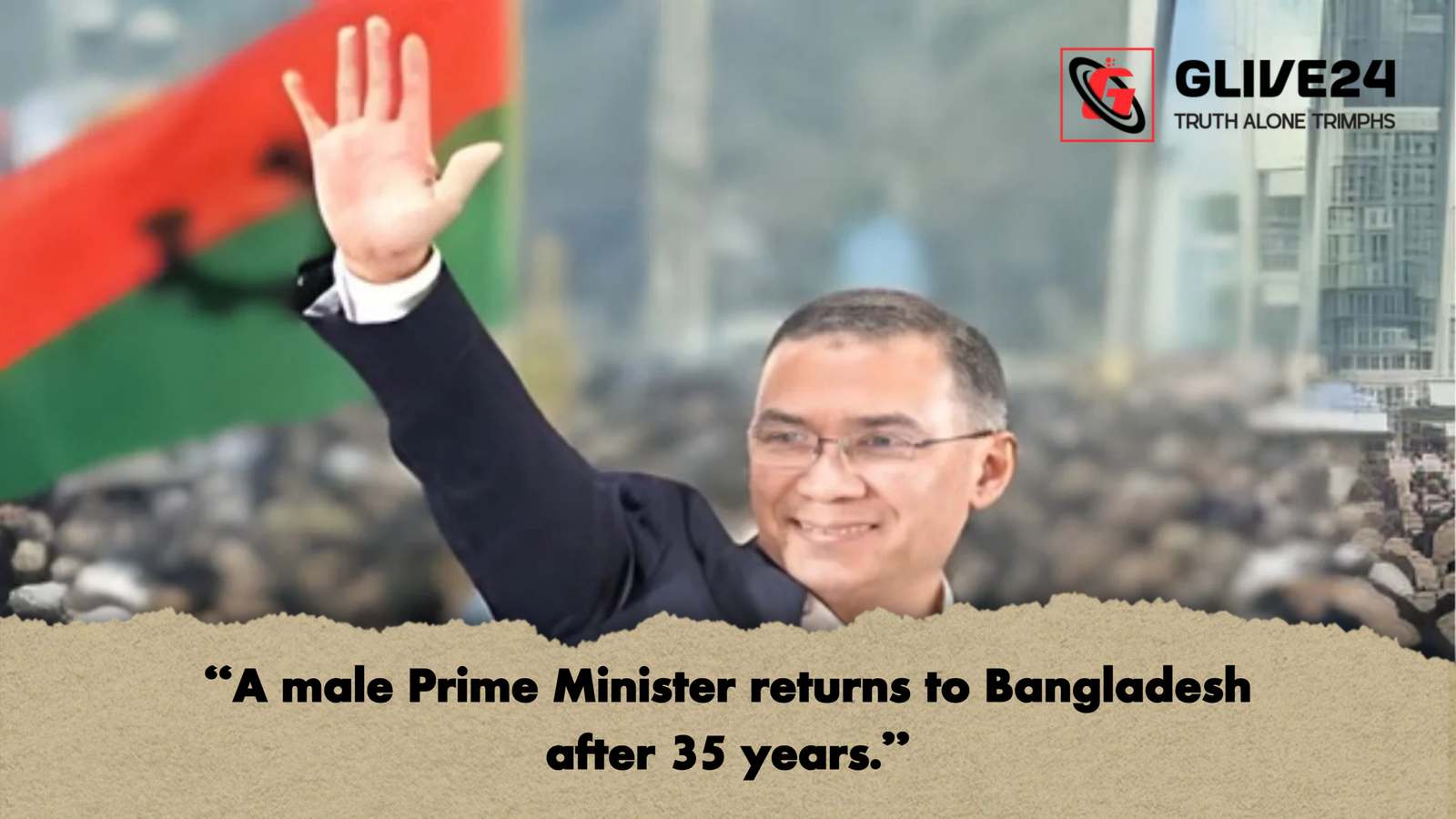
In a significant political shift, the Bangladesh Nationalist Party (BNP) and its allied coalition have achieved a decisive victory in the 13th national parliamentary elections, according to unofficial results released on Thursday night (12 February). The BNP-led alliance has reportedly secured 210 seats, paving the way for the formation of a new government under the party’s leadership.
Party sources have indicated that Tarique Rahman, the BNP’s chairman, is expected to assume the role of Prime Minister. This development marks the first time in nearly 35 years that Bangladesh will have a male Prime Minister.
The unofficial results were announced after extensive vote counting across multiple constituencies on Thursday evening. Political analysts note that this outcome could significantly alter the nation’s political landscape, ending a decades-long period during which female leaders have dominated the premiership.
Historical Context
Bangladesh has not had a male Prime Minister since 1988, when Kazi Zafar Ahmed held the office. Since 1990, the country has been led exclusively by female leaders, primarily Khaleda Zia, former BNP chairwoman, and Sheikh Hasina, the incumbent Awami League president. Their tenure has spanned more than three decades, making female leadership a defining feature of modern Bangladeshi politics.
| Year | Prime Minister | Gender | Party |
|---|---|---|---|
| 1988 | Kazi Zafar Ahmed | Male | Jatiya Party |
| 1991–1996 | Khaleda Zia | Female | BNP |
| 1996–2001 | Sheikh Hasina | Female | Awami League |
| 2001–2006 | Khaleda Zia | Female | BNP |
| 2009–2026 | Sheikh Hasina | Female | Awami League |
| 2026* | Tarique Rahman | Male | BNP (expected) |
*Subject to formal confirmation and swearing-in.
Victory Celebrations and Guidelines
While BNP supporters are celebrating the electoral success, the party has instructed that no large public processions or marches be held. The party’s press wing has stated:
“In light of the decisive victory, special prayers of gratitude will be offered nationwide on Friday. Additional prayer services will also be arranged at other religious institutions across the country.”
Observers suggest that this restrained approach reflects both a desire for peaceful celebration and adherence to ongoing public safety considerations.
The coming weeks are expected to focus on the formal transition of power and the establishment of Tarique Rahman’s government. Political commentators note that his leadership could signal a new phase in Bangladeshi politics, blending continuity with a break from the three-decade precedent of female prime ministership.