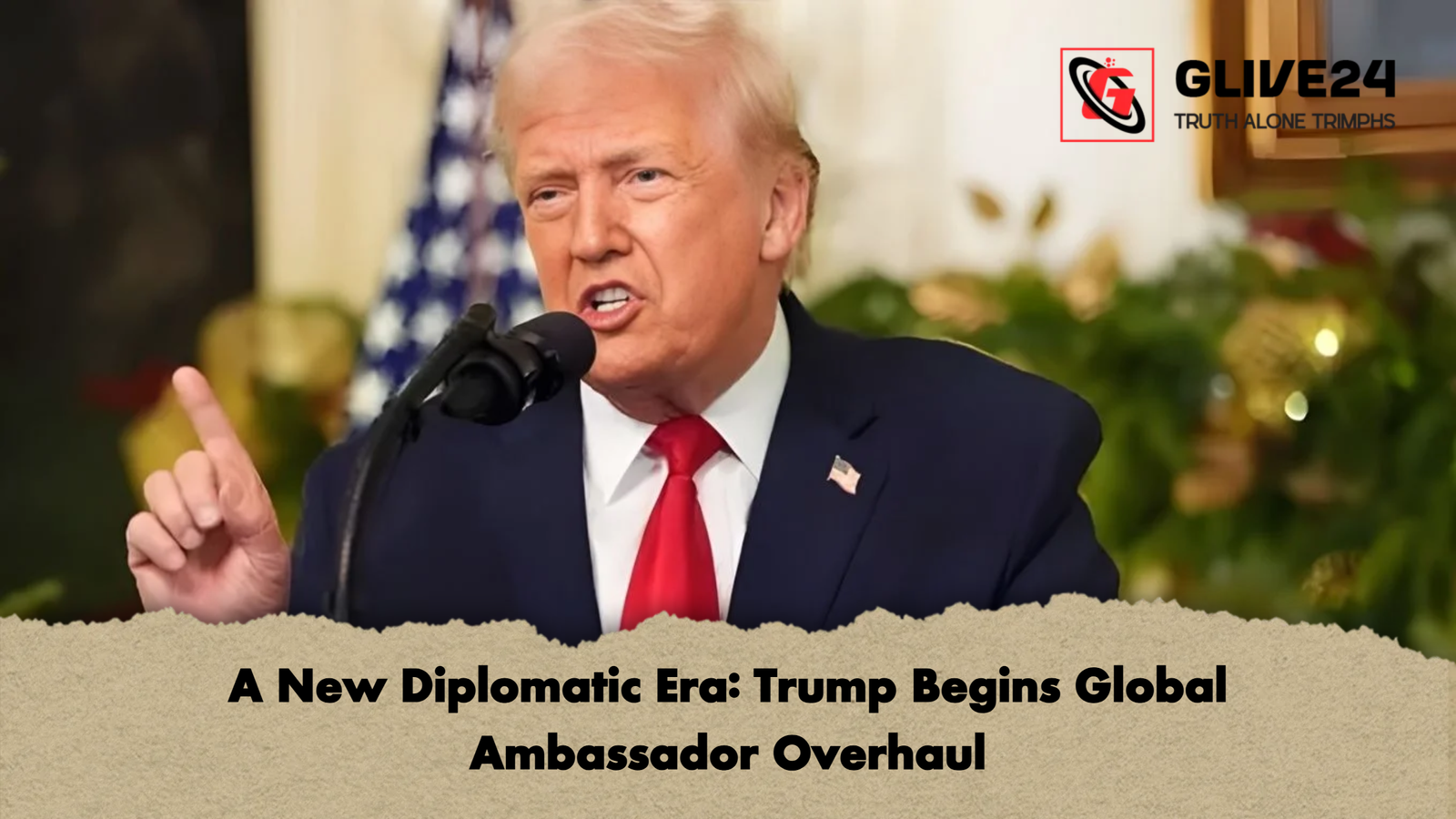
The Trump administration has launched a sweeping transformation of America’s diplomatic presence abroad by recalling nearly 30 ambassadors who were appointed during the Biden presidency. The move represents a clear effort to realign US foreign missions with the political ideology and strategic priorities of President Trump’s second term.
Diplomatic sources confirm that ambassadors serving in 29 countries have been notified that their tenures will end in January. Although such transitions are common when a new administration takes office, the scale of this recall is unusually large, highlighting Trump’s determination to assert control over the direction of US foreign policy.
Initially, many of these ambassadors were permitted to continue serving after Trump returned to the White House, a decision aimed at preserving stability during the early months of the administration. That temporary arrangement, however, has now given way to a more assertive approach. Recent directives from Washington have instructed ambassadors to prepare for departure, making it clear that change is imminent.
The administration insists that the diplomats are not losing their careers. Those affected will retain their status within the foreign service and may be reassigned to other roles if they choose. Still, removal from an ambassadorial post is widely seen as a significant demotion, particularly for those who had built strong ties in their host countries.
The State Department has framed the decision as a standard administrative process, but reactions suggest otherwise. Political observers note that Trump places exceptional importance on loyalty, often favouring individuals who demonstrate personal commitment to his agenda. This philosophy appears to be shaping the next generation of American ambassadors.
Africa has borne the brunt of the changes, with diplomatic missions in 13 countries facing new leadership. Asia is the second-most affected region, with six ambassadors set to depart. Experts suggest this focus reflects Trump’s strategic priorities, particularly in regions where competition with rival global powers is intensifying.
The recall has triggered concern among some lawmakers and career diplomats, who fear that rapid personnel changes could disrupt delicate international relationships. They warn that replacing experienced envoys with politically aligned appointees may weaken diplomatic effectiveness.
The administration counters that ambassadors are, by definition, political representatives of the president. From this standpoint, it is entirely appropriate for Trump to select envoys who will champion his policies without hesitation or internal resistance.
As nominations for new ambassadors begin to circulate, the broader implications of this diplomatic reset are coming into focus. Trump’s second term appears poised to bring a more assertive, personality-driven approach to international engagement, one that prioritises loyalty and ideological consistency above all else.