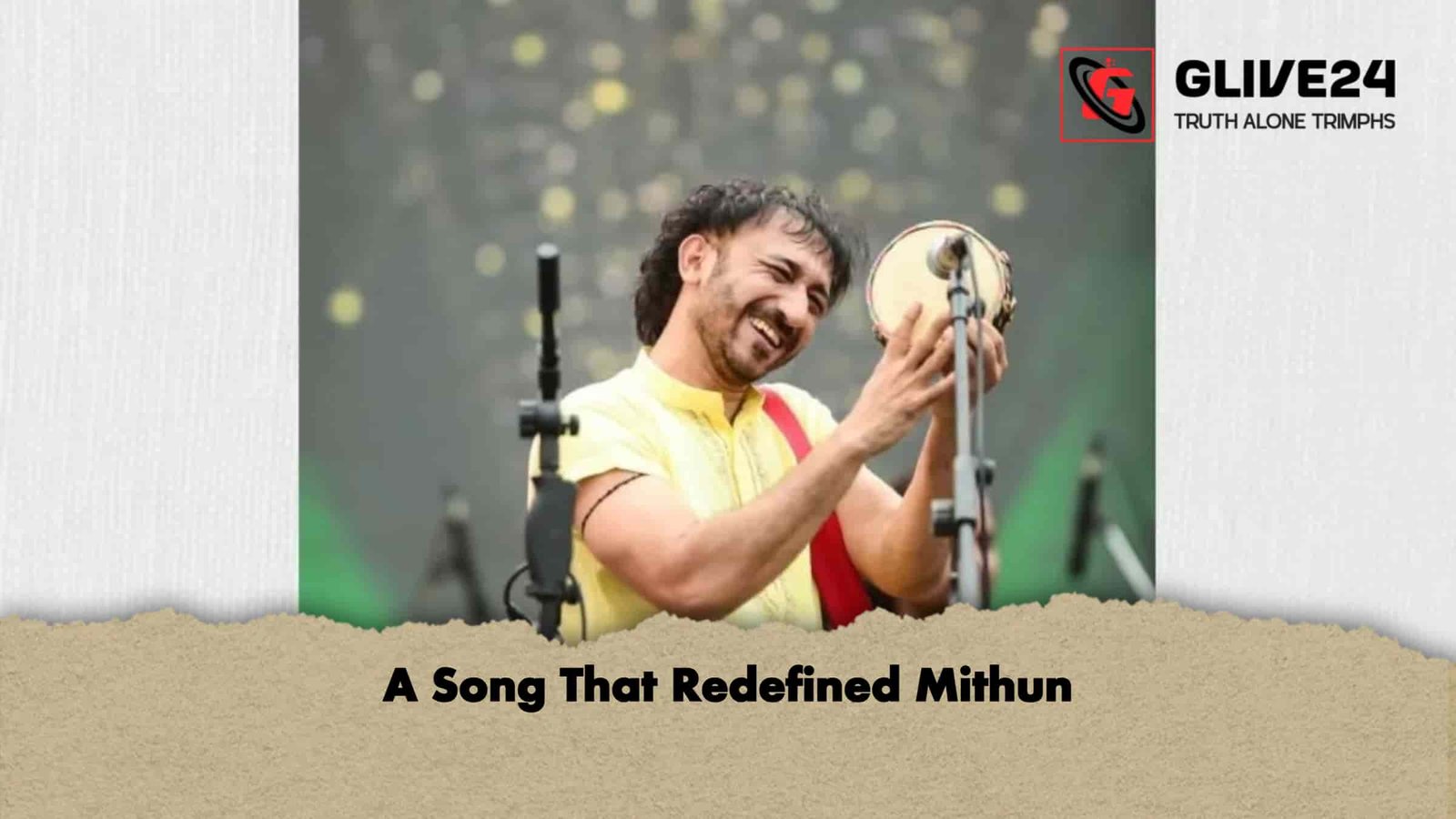
What began as a modest advertising jingle has grown into one of the most evocative musical symbols of Eid homecoming in Bangladesh. “Shopno Jabe Bari”, first introduced in 2009 through a mobile network advertisement, was composed and arranged by Habib Wahid, with vocals by Milon Mahmud. The song quickly struck a chord with audiences, capturing the emotional pull of returning home during festive seasons.
Seven years later, in 2016, a sequel titled “Shopno Jabe Bari 2” was released. Once again composed by Habib Wahid, with lyrics by Russell Mahmud, the new version featured vocals by Mithun Chakraborty. This rendition elevated the song’s cultural significance, turning it into a recurring emotional soundtrack for millions travelling home during Eid.
Each year, as Eid approaches, the song regains prominence across social media, often accompanying images and stories of crowded buses, trains, and ferries filled with homebound travellers. For many, it is more than just a piece of music — it is a shared emotional experience.
In a recent conversation, Mithun Chakraborty reflected on the profound impact of the song on his life and career. He described it as his “second birth”, underscoring how deeply it shaped his identity as an artist. Interestingly, he noted that many listeners are still unaware that he is the voice behind the widely beloved sequel. However, this lack of recognition does not trouble him.
According to Mithun, the true reward lies in the song’s acceptance by the public. He expressed gratitude that the track has remained relevant for nearly a decade, becoming intertwined with people’s personal memories and journeys. For him, such enduring resonance is the highest form of artistic achievement.
The story behind his involvement is equally compelling. Mithun revealed that he was not originally intended to perform the song. It was composer Habib Wahid who selected him, trusting his vocal texture for the project. What Mithun initially considered a temporary or “test” recording ultimately became the final version — one that resonated across the country.
Beyond this iconic work, Mithun continues to remain active in the music scene. He has recently contributed vocals to commercial jingles for financial service campaigns and maintains collaborations with various companies. He emphasised that such projects demand precision and creativity despite their brief duration.
Overview of the Song’s Evolution
| Year | Version | Vocalist | Composer | Cultural Significance |
|---|---|---|---|---|
| 2009 | Original Release | Milon Mahmud | Habib Wahid | Popular advertisement theme |
| 2016 | Sequel Release | Mithun Chakraborty | Habib Wahid | Iconic Eid homecoming anthem |
Mithun is also widely respected for his instrumental abilities, particularly in rhythm and percussion. He describes his entire physical being as an instrument, reflecting a philosophy that music is not confined to tools but lives within the artist. While he acknowledges limited expertise in melodic instruments, he continues to explore and learn.
Looking forward, Mithun aims to focus more on his vocal career. He is developing a personal initiative titled “Art of Chakra”, through which he plans to release original songs. He also hinted at an upcoming playback project for a film expected to debut around Eid, though further details remain under wraps.
Currently, Mithun is balancing multiple engagements. He performs as a drummer alongside fellow musician Iman Chowdhury in the project “Bengal Symphony”, contributes to film music, and remains involved with productions linked to Coke Studio Bangla.
Despite his achievements, Mithun maintains a humble outlook, describing himself simply as a drummer striving to grow. His journey illustrates how a single song, when embraced by the public, can redefine an artist’s path and become part of a nation’s emotional fabric.