Dhaka, 25 March 1971. Midnight casts a pall over the city, heralding one of the darkest chapters in Bangladesh’s history. The Pakistani military is preparing to execute Operation Searchlight, a meticulously planned campaign of terror aimed at the Bengali population.
That night, all foreign correspondents in Dhaka are forcibly confined at the Intercontinental Hotel. By morning, they are escorted to the airport and expelled from the country. The intention is starkly clear: silence the witnesses and keep the world ignorant of the looming genocide.
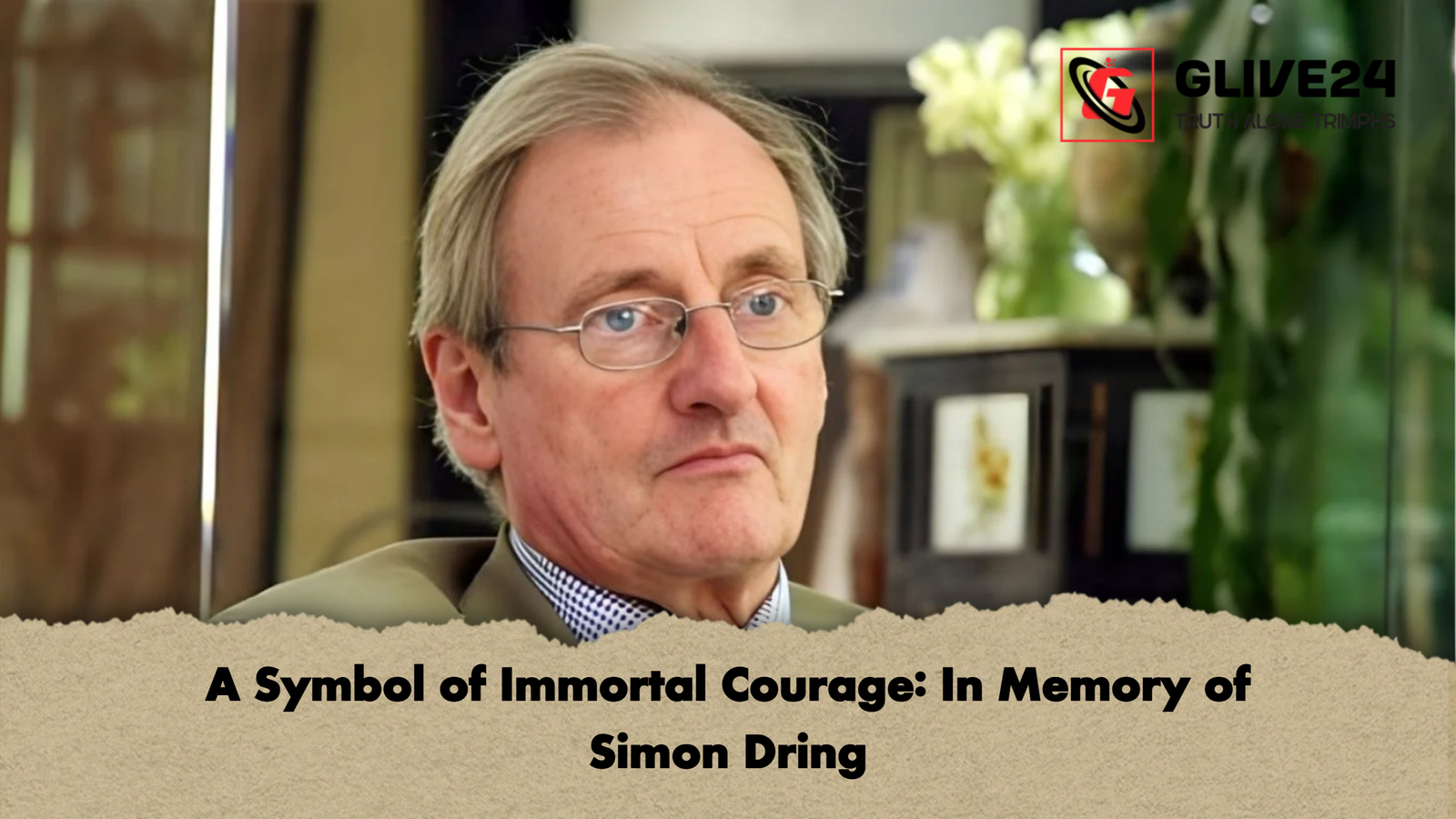
Yet one 25-year-old British journalist defied the plan—Simon Dring.
Ignoring martial law, curfews, and the very real prospect of execution, Dring went into hiding within the hotel. He understood that if no one survived to chronicle the atrocities, history itself would be rewritten by those responsible.
Witness to Genocide
When the curfew was briefly lifted on the morning of 27 March, Dring, assisted by courageous hotel staff, slipped into a small van and ventured into the devastated city. The scenes he encountered were horrifying:
Iqbal Hall, Dhaka University: Shelled and ablaze, with panicked students fleeing.
Rajarbagh Police Barracks: Reduced to ruins, bodies strewn in the streets.
Narrow lanes of Old Dhaka: Homes torched, civilians slaughtered, streets littered with blood and debris.
His meticulous reports captured the first raw accounts of systematic slaughter by Pakistani forces. On 30 March 1971, the Daily Telegraph in London published his landmark article, “Tanks Crush Revolt in Pakistan”:
“In the name of Allah and for the preservation of an ‘undivided Pakistan,’ Dhaka has been transformed into a city of destruction and terror. Continuous shelling by Pakistani troops has turned the city into a death zone…”
This reporting was among the earliest to reveal the naked truth of genocide to the world, influencing international opinion in favour of Bangladesh’s liberation.
Close Witness to History
Born in Norfolk, England, on 11 January 1946, Simon Dring first visited Dhaka in 1968, forging a lifelong bond with the city. By March 1971, though stationed in Vietnam, he could not ignore the political turmoil in East Pakistan. He rushed to Dhaka, witnessing Sheikh Mujibur Rahman’s historic 7 March speech at the Racecourse Ground, standing mere feet from the Father of the Nation. On 25 March, the two spoke briefly:
Dring: “Are you going into hiding?”
Sheikh Mujibur Rahman: “No. If I am not found, they will burn everything to the ground.”
Dring continued reporting from Kolkata after fleeing in November, returning with the allied forces on 16 December 1971, chronicling Bangladesh’s liberation firsthand.
When he later asked Major Siddiq Salik, a Pakistani intelligence officer, what would have happened had he been caught, the reply was chilling:
“You would have been shot.”
Lifelong Dedication to Bangladesh
Despite reporting from 22 conflicts worldwide, none moved him as profoundly as Bangladesh’s struggle. In 2000, he returned to help establish Ekushey TV, the country’s first private television channel, leaving a lasting mark on Bangladeshi media.
Simon Dring passed away on 16 July 2021, aged 75, leaving a legacy of courage, integrity, and unwavering commitment to truth. Bangladesh remembers him as a fearless friend, a chronicler of history, and a man whose patriotism knew no borders.
| Detail | Information |
|---|---|
| Full Name | Simon John Dring |
| Born | 11 January 1946, Norfolk, England |
| First Visit to Dhaka | 1968 |
| Age During Liberation War | 25 |
| Historic Report | Tanks Crush Revolt in Pakistan, 30 March 1971 |
| Witnessed | 25 March Massacre, 7 March Speech |
| Post-War Contributions | Founded Ekushey TV, 2000 |
| Passed Away | 16 July 2021, aged 75 |
| Legacy | Courageous journalist, friend of Bangladesh, chronicler of truth |
A fearless friend, a witness to genocide, a champion of truth—Simon Dring’s memory remains indelibly etched in Bangladesh’s history, an enduring testament to courage and humanity.