
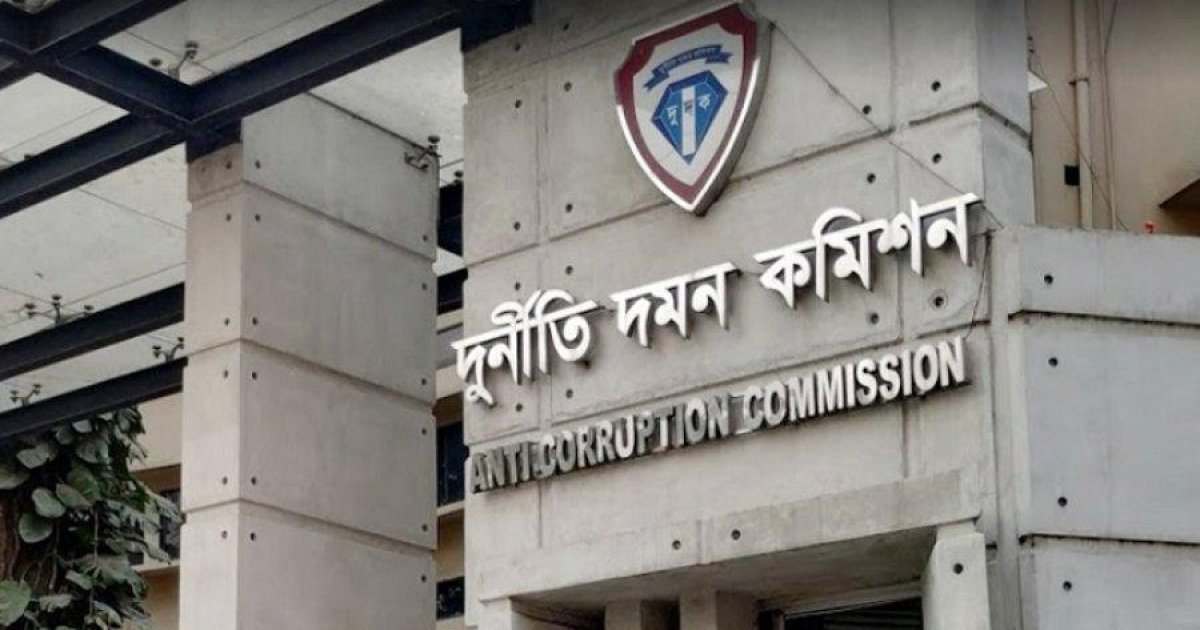
In a decisive move against corruption, the Anti-Corruption Commission (ACC) carried out an operation on Sunday at the immigration division of Hazrat Shahjalal International Airport. The operation followed complaints alleging that some immigration officers had received bribes and used forged documents to grant clearance to travellers. A team of ACC officials from the headquarters attended the site, collecting relevant records and interrogating officers, including the Immigration Police Superintendent and other personnel responsible for processing passengers.
The ACC stated in a press release that the allegations pointed to collusion among immigration officials, allowing passengers to bypass proper procedures in exchange for bribes. The gathered evidence will now be thoroughly examined to prepare a comprehensive report for submission to the Commission.
Analysts emphasise that airports serve as critical gateways for international visitors, and the integrity of immigration procedures directly impacts the country’s reputation abroad. Corruption or malpractice at such entry points risks undermining both public confidence and international perceptions. By conducting this operation, the ACC seeks to verify the claims, identify the root causes of potential misconduct, and implement measures to prevent recurrence.
The Commission described the mission as essential for assessing the credibility of initial allegations and for understanding how irregularities were executed. Experts also note that corruption in immigration can adversely affect the travel experience, delay legitimate passengers, and compromise national security.
By targeting alleged bribery and document forgery, the ACC hopes to reinforce transparency, improve procedural efficiency, and ensure public trust in immigration services. This operation demonstrates the government’s commitment to curbing corruption and safeguarding institutional integrity. For travellers, it signifies a move towards a more accountable and secure system, where compliance and proper verification are prioritised.
Additionally, the ACC’s efforts underline the broader importance of oversight in public institutions. Regular investigations of key government functions, such as immigration control, not only prevent misconduct but also promote a culture of responsibility and professionalism. If successful, such operations could establish a model for systematic monitoring of public services nationwide, thereby enhancing the overall reliability and reputation of state institutions.