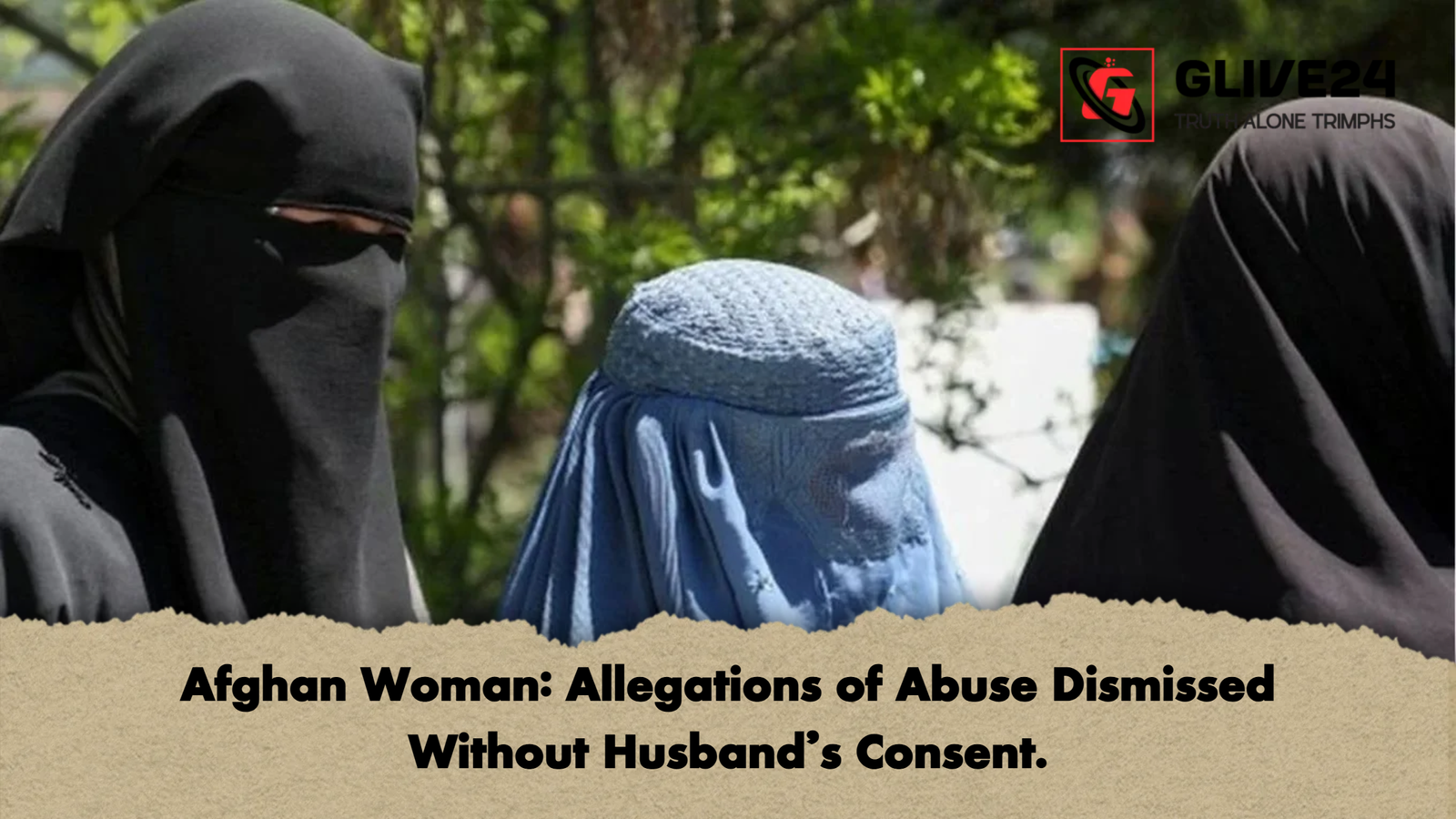
The recent publication of a new penal code by the Taliban in Afghanistan has sparked intense international concern, particularly regarding women’s legal rights. Analysis by the British newspaper The Independent suggests that the updated legislation drastically narrows women’s access to justice, notably by requiring a husband’s permission for a woman to file a complaint of physical abuse against him. This provision has reignited heated debate over gender equality under Taliban rule.
The 90-page code, Da Mahakumu Jazai Usulnama, bears the signature of Taliban Supreme Leader Hibatullah Akhundzada and has been distributed across courts in the country. According to The Independent, the code codifies pre-existing strict practices into formal law and explicitly divides society into hierarchical tiers, determining punishments according to social status.
Social Hierarchy and Punishment Structure
| Social Tier | Example Individuals | Maximum Punishment for Crimes |
|---|---|---|
| Tier 1 – Religious Leaders | Mullahs, clerics | Advice or nasihat only |
| Tier 2 – Elite Class | Wealthy influential figures | Advice, court summons if necessary |
| Tier 3 – Middle Class | Professionals, merchants | Imprisonment |
| Tier 4 – Working/Lower Class | Labourers, peasants | Imprisonment and corporal punishment |
Human rights advocates have sharply criticised the code for placing women and slaves on an almost equal footing, allowing husbands to administer “disciplinary” beatings at their discretion. Under the previous NATO-backed government, women who suffered abuse could see their abuser imprisoned for three months to a year. The new code drastically reduces penalties; a husband who inflicts severe injury on his wife faces a maximum of just 15 days in jail—if the victim can even successfully lodge a complaint.
Filing a complaint has become an onerous process. Victims must physically present their injuries before a judge while maintaining strict observance of Islamic veiling rules, raising questions about the feasibility of proving abuse under such conditions. Furthermore, women wishing to report domestic violence must attend court accompanied by their husband’s consent or a male guardian (mahram), who, in most cases, is the very person accused of the abuse. Critics argue that this requirement effectively blocks access to justice.
A Kabul-based legal advisor, speaking anonymously, recounted the case of a woman who was publicly humiliated by Taliban guards while visiting her imprisoned husband. She was told to bring a mahram to pursue legal action—yet her only male guardian was in custody. Denied justice, she reportedly exclaimed that death would be preferable to her ongoing suffering.
Article 34 of the new code further criminalises women who repeatedly visit their parental or relatives’ homes without their husband’s permission, imposing up to three months’ imprisonment on both the woman and her host family.
Human rights organisations warn that even discussion or critique of the penal code is now considered a punishable offence. The climate of fear has silenced most public voices within Afghanistan, leaving women increasingly vulnerable under an institutionalised system of gendered oppression.