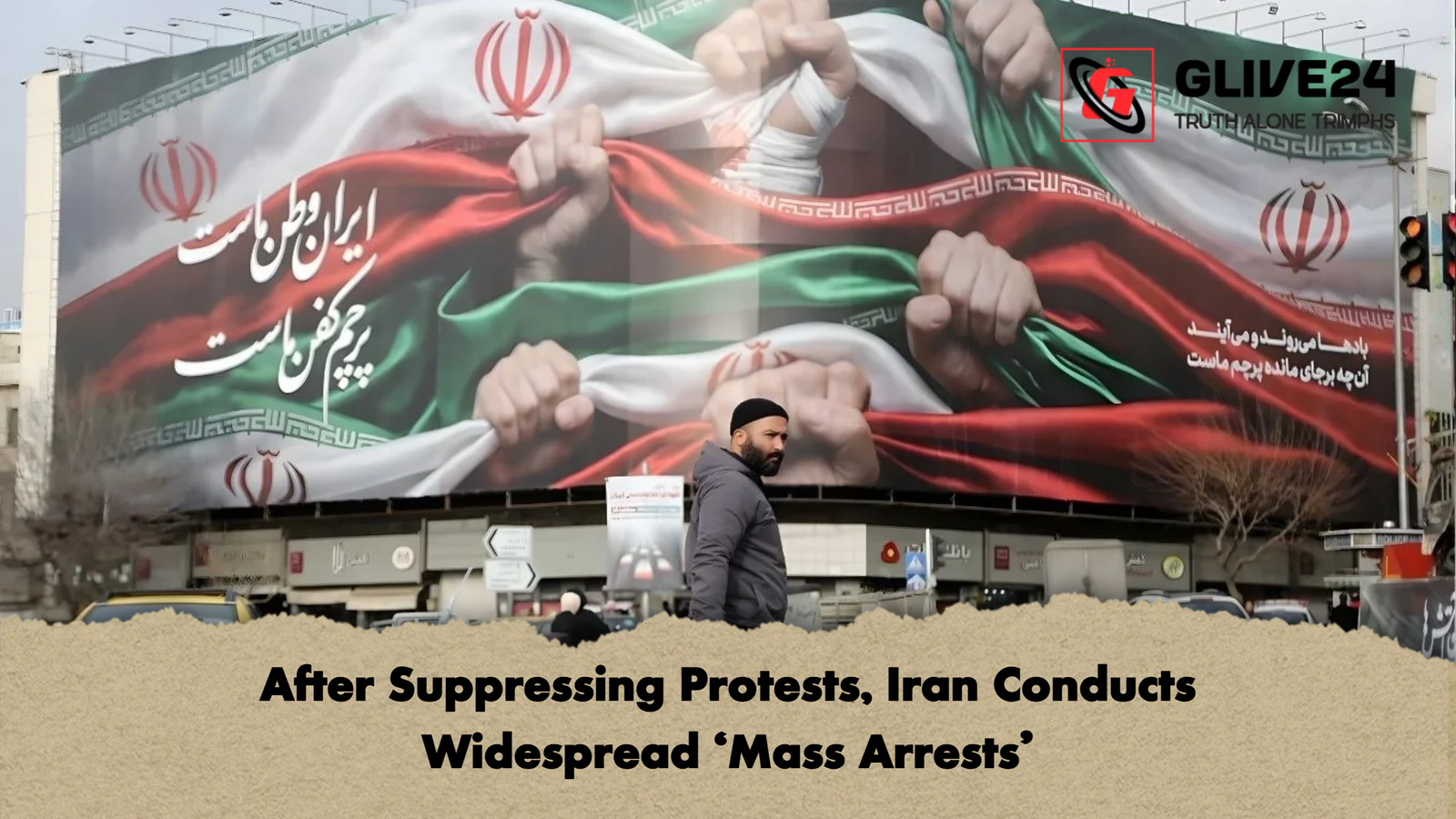
Following the bloodiest unrest since the 1979 Islamic Revolution, Iran is now witnessing an unprecedented wave of mass arrests as authorities move to suppress any resurgence of dissent.
According to a special report by Reuters, thousands of individuals have been detained in recent days by Iranian security forces, in an effort to prevent further demonstrations from emerging. The crackdown has reportedly targeted a wide cross-section of society, including lawyers, medical professionals, and ordinary citizens.
Reuters cited five human rights activists inside Iran who described a highly coordinated and nationwide campaign of arrests. Security forces have established checkpoints at street corners and bolstered patrols across cities, creating a climate of pervasive surveillance. Many detainees are reportedly being taken to undisclosed “safe houses” or other secret locations, raising concerns about their treatment and legal protections.
The sheer volume of arrests has strained the country’s official detention facilities. Lawyers, doctors, and eyewitnesses indicate that regular prisons are operating beyond capacity. Two Iranian officials, speaking on condition of anonymity, confirmed to Reuters that numerous detainees have been held in warehouses or improvised detention centres due to the overflow.
Analysts suggest that the Iranian judiciary has been ordered to expedite legal proceedings against those arrested, highlighting the regime’s intent to maintain strict control and deter further unrest. The primary aim appears to be the creation of a climate of fear, discouraging citizens from participating in any potential mass protests.
The crackdown follows weeks of nationwide demonstrations that have rocked major cities. While the government has yet to release official statistics regarding arrests or injuries, independent observers report that the security measures are unprecedented in scale since the 1979 revolution.
| Aspect | Details |
|---|---|
| Target Groups | Lawyers, doctors, activists, ordinary citizens |
| Detention Locations | Prisons, warehouses, secret “safe houses” |
| Security Measures | Checkpoints, increased street patrols, nationwide raids |
| Judicial Response | Accelerated legal proceedings against detainees |
| Objective | Prevent further protests, instil fear among the population |
| Historical Context | Most violent unrest since 1979 Islamic Revolution |
Human rights organisations have condemned the arrests, warning that the opaque nature of the detentions poses a serious threat to civil liberties. Analysts emphasise that while the authorities aim to suppress unrest swiftly, the underlying grievances driving the protests—ranging from economic hardship to demands for social freedoms—remain unresolved.
As Iran navigates this turbulent period, international attention is increasingly focused on the human cost of the crackdown and the potential long-term implications for stability in the region.