Arsenal supporters could be forgiven for pinching themselves. What the club are producing at present feels almost surreal, the sort of sustained excellence that invites disbelief even among the most loyal followers. Yet this is not a brief purple patch or a fleeting run of fortune. Arsenal’s form, both domestically and in Europe, is the product of long-term planning, tactical clarity and a squad that has matured together under Mikel Arteta.
To describe Arsenal’s current rhythm as “recent” would be misleading. After 23 matches, they remain top of the Premier League table, a position that demands consistency rather than momentary brilliance. Teams do not simply stumble into first place at this stage of the season. Arsenal’s balance between control and intensity, coupled with their defensive solidity, has made them the most reliable side in England thus far. That domestic authority has now been enhanced by an equally compelling Champions League campaign.
On Tuesday night, Arsenal concluded the league phase of the Champions League with a dramatic 3–2 victory over Kazakhstan’s Kairat. The result itself was significant, but the wider context made it historic. With that win, Arsenal completed a perfect league phase, winning all eight of their matches. In the competition’s new 36-team format, now in its second season, they are the first club to achieve such an unblemished record.
Their dominance is underlined by the numbers. Arsenal scored more goals than any other side in the league phase, while conceding the fewest. The combination of attacking fluency and defensive discipline has made Arteta’s team stand out in a tournament where margins are usually fine and perfection is rare.
Arsenal’s Champions League League-Phase Record
| Category | Total |
|---|---|
| Matches played | 8 |
| Wins | 8 |
| Goals scored | 23 |
| Goals conceded | 4 |
| Goal difference | +19 |
| League-phase finish | Top two |
The evening was also personally memorable for Arteta. The match against Kairat marked his 326th game as Arsenal manager and delivered his 200th victory. It was a milestone that reflected his transformation of the club from an inconsistent contender into a disciplined, confident force at the highest level. Arteta acknowledged the significance but was quick to shift focus forward, emphasising that progress matters more than milestones.
Beyond the statistics, Arsenal’s achievement carries historical weight. They have become only the second English club to win at least eight consecutive Champions League matches, following Pep Guardiola’s Manchester City, who recorded a 10-match winning run between May 2023 and March 2024. For Arsenal, long associated with near-misses in Europe, this represents a meaningful shift in narrative.
Their reward is a clear strategic advantage. By finishing the league phase in the top two, Arsenal will play the second leg of every knockout tie at home, beginning with the last-16 round in March. At the Emirates Stadium, where atmosphere and familiarity often tilt fine margins, this could prove decisive.
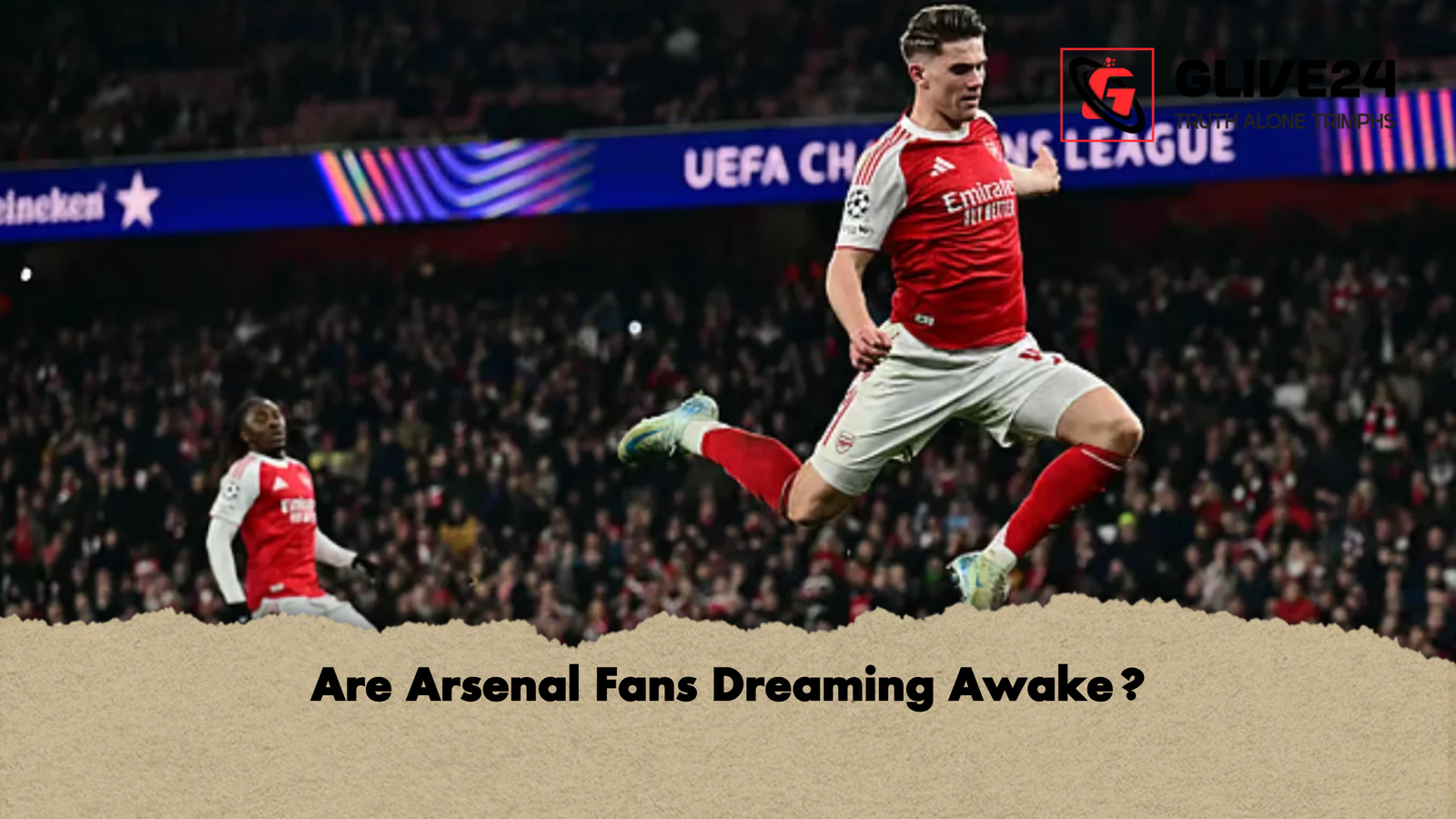
Arteta’s rotation against Kairat also highlighted squad depth and trust. After suffering their first league defeat of the season against Manchester United the previous Sunday, he made 11 changes to the starting line-up. The most eye-catching inclusion was Kai Havertz, returning to competitive action after 357 days out injured. The German midfielder marked his comeback in style, scoring once and providing two assists, a performance that vindicated Arteta’s faith.
Arteta was clear about Havertz’s importance, noting that such a return would boost both the player’s confidence and the squad’s belief. With the second half of the season approaching, Arsenal now look not only formidable, but complete. For their supporters, the question is no longer whether this is real. It is how far this reality can carry them.