
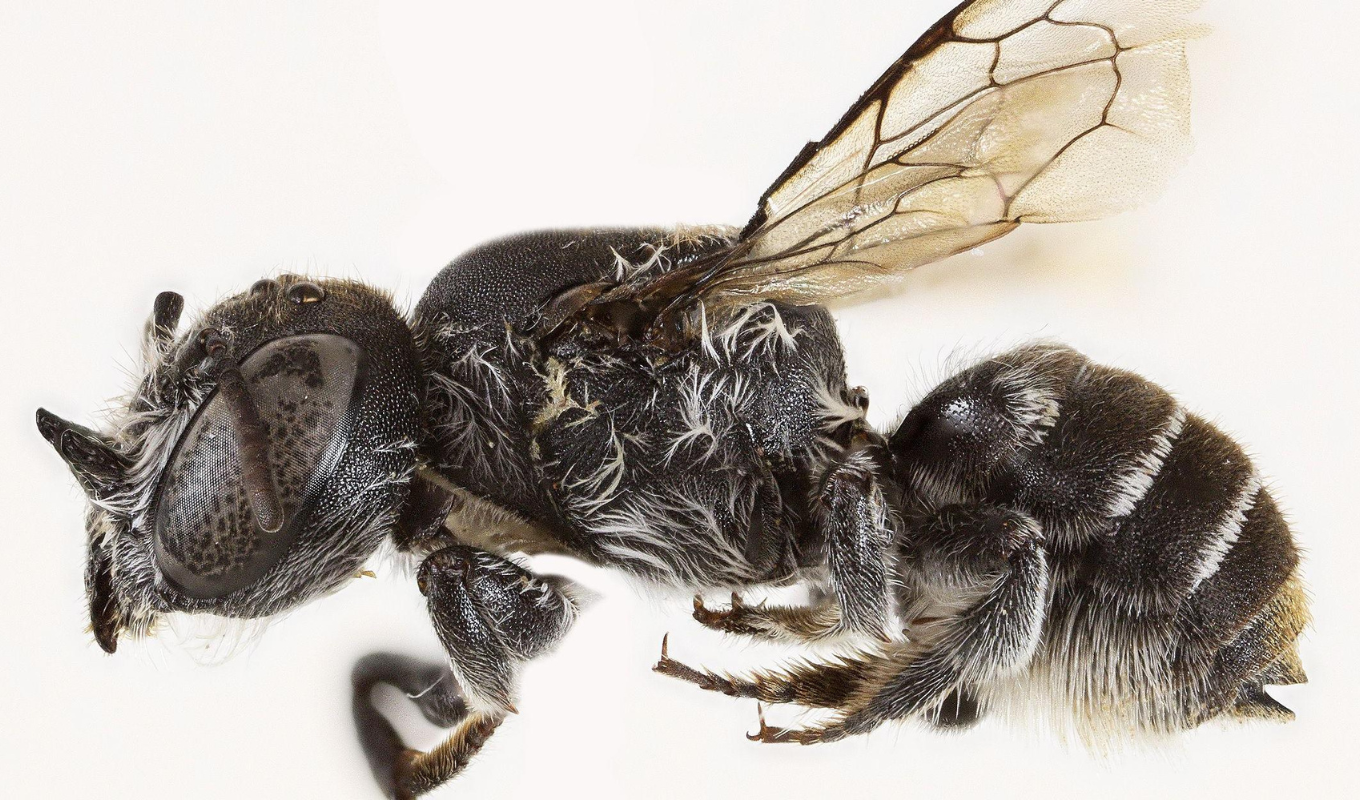
Australia, already notorious for its deadly snakes, spiders, and sharks, now has a new addition to its roster of fascinating yet formidable wildlife: a “lucifer” bee sporting devil-like horns. The newly identified species, Megachile (Hackeriapis) lucifer, was discovered in Western Australia, Curtin University announced on Tuesday.
The bee was first observed in 2019 by Dr Kit Prendergast from the university’s School of Molecular and Life Sciences during a survey of a critically endangered wildflower. Prendergast was immediately struck by the insect’s unusual and striking appearance.
“The female had these incredible little horns on her face,” she explained. A fan of the Netflix series Lucifer, Prendergast felt the name was particularly fitting for the bee’s distinctly devilish look.
This discovery marks the first new member of this bee group to be formally described in over two decades, highlighting how much of Australia’s biodiversity remains unexplored. “It really shows how much life is still out there waiting to be discovered,” Prendergast noted.
Beyond the novelty of its appearance, the discovery underscores the ecological importance of native bees. Prendergast emphasised that many species remain undocumented, particularly in regions affected by mining and other human activities. “Many mining companies still don’t survey for native bees, so we might be missing species that have yet to be described, including those that play essential roles in supporting threatened plants and ecosystems,” she said.
“Without knowing which native bees exist and which plants they rely on, we risk losing both before we even realise they’re there,” she added.
Wild pollinators, particularly bees, are critical for the reproduction of almost all flowering plants. Yet, habitat destruction, land clearing, and climate change are placing many of these vital species at risk of extinction, threatening entire ecosystems. Discoveries such as the lucifer bee serve as a reminder of the hidden biodiversity that remains under threat and the urgent need for conservation efforts.
For clarity, key details about the species are summarised below:
| Detail | Information |
|---|---|
| Species Name | Megachile (Hackeriapis) lucifer |
| Common Name | “Lucifer” bee |
| Discovery Year | 2019 |
| Discoverer | Dr Kit Prendergast, Curtin University |
| Location | Western Australia |
| Notable Feature | Female has small horn-like protrusions on face |
| Significance | First new member of its bee group described in over 20 years |
| Conservation Message | Highlights undiscovered species at risk from mining and habitat loss |
| Ecological Role | Pollinator supporting flowering plants and ecosystems |
The discovery of the lucifer bee not only excites entomologists but also draws attention to the fragile and often overlooked web of life in Australia’s unique ecosystems.