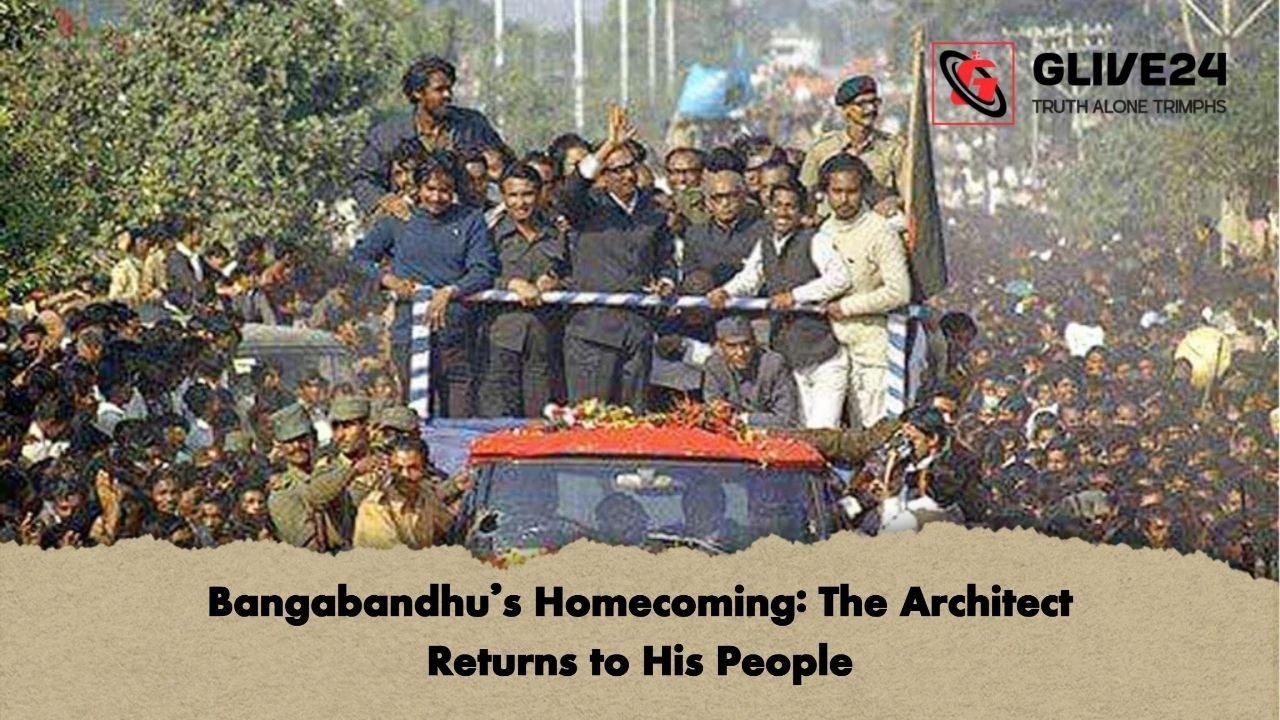
The 10th of January 1972 stands as a singular, emotionally resonant, and triumphant milestone in the chronicles of Bangladesh. Following a bloody nine-month War of Liberation, the visionary architect of independent Bangladesh, the Father of the Nation Bangabandhu Sheikh Mujibur Rahman, returned to a liberated land. Emerging from the dark confines of a Pakistani prison, he stepped onto the soil of his sovereign motherland as a hero, draped in the profound dignity of victory.
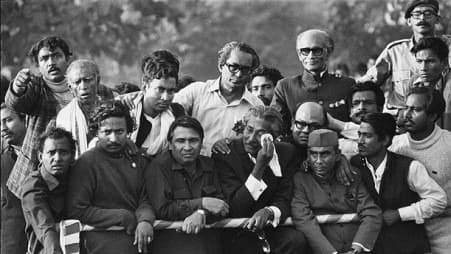
His journey to freedom was a diplomatic odyssey. Leaving Pakistan on 8 January 1972, he travelled through Britain and India before finally reaching Dhaka on 10 January. On this historic path of return, he was accompanied by his close political associate Dr Kamal Hossain and several international diplomatic figures. The very atmosphere of Dhaka that day was saturated with the exuberance, tears, and devotion of the people. Drenched in the affection of millions, Bangabandhu realised that this nation and its people were the ultimate purpose of his life.
Milestones of the Historic Homecoming (January 1972)
| Date | Location | Significance and Key Activity |
| 8 January | London, UK | Arrival at Heathrow; met PM Edward Heath; affirmed sovereign status to the world press. |
| 9 January | New Delhi, India | Warm reception by PM Indira Gandhi; expressed gratitude for India’s vital wartime support. |
| 10 January | Dhaka, Bangladesh | The “Homecoming Day”; delivered a historic address to millions at the Racecourse Ground. |
| 12 January | Dhaka, Bangladesh | Assumed office as Prime Minister, marking the formal start of national reconstruction. |
Today, it is a distressing reality that a dangerous trend is becoming increasingly visible—the deliberate distortion and confusion surrounding the political history of Bangladesh, particularly the Great Liberation War and the monumental contributions of Bangabandhu. These efforts to fragment history, obscure the truth, and erode the nation’s collective memory are by no means innocent.
In light of this, there is a sincere call to the new generation: do not be led astray by rumours, distorted narratives, or fabricated accounts on social media. Instead, engage with the authentic history of Bangladesh’s independence and the Great Liberation War as published in Bengali and other global languages. By returning to the original sources of history, the fog of misinformation will clear, and the truth will speak for itself.
Sheikh Mujibur Rahman was a man truly close to the hearts of the people of this land; he was not merely a politician, but the reflection of the hopes and aspirations of all Bengalis. Bangabandhu was the soul of Bengal, the architect of independence, and the Father of the Nation. It is through his leadership, sacrifice, and foresight that the Bengali people secured an independent state, a red-and-green flag, and a distinct global identity.
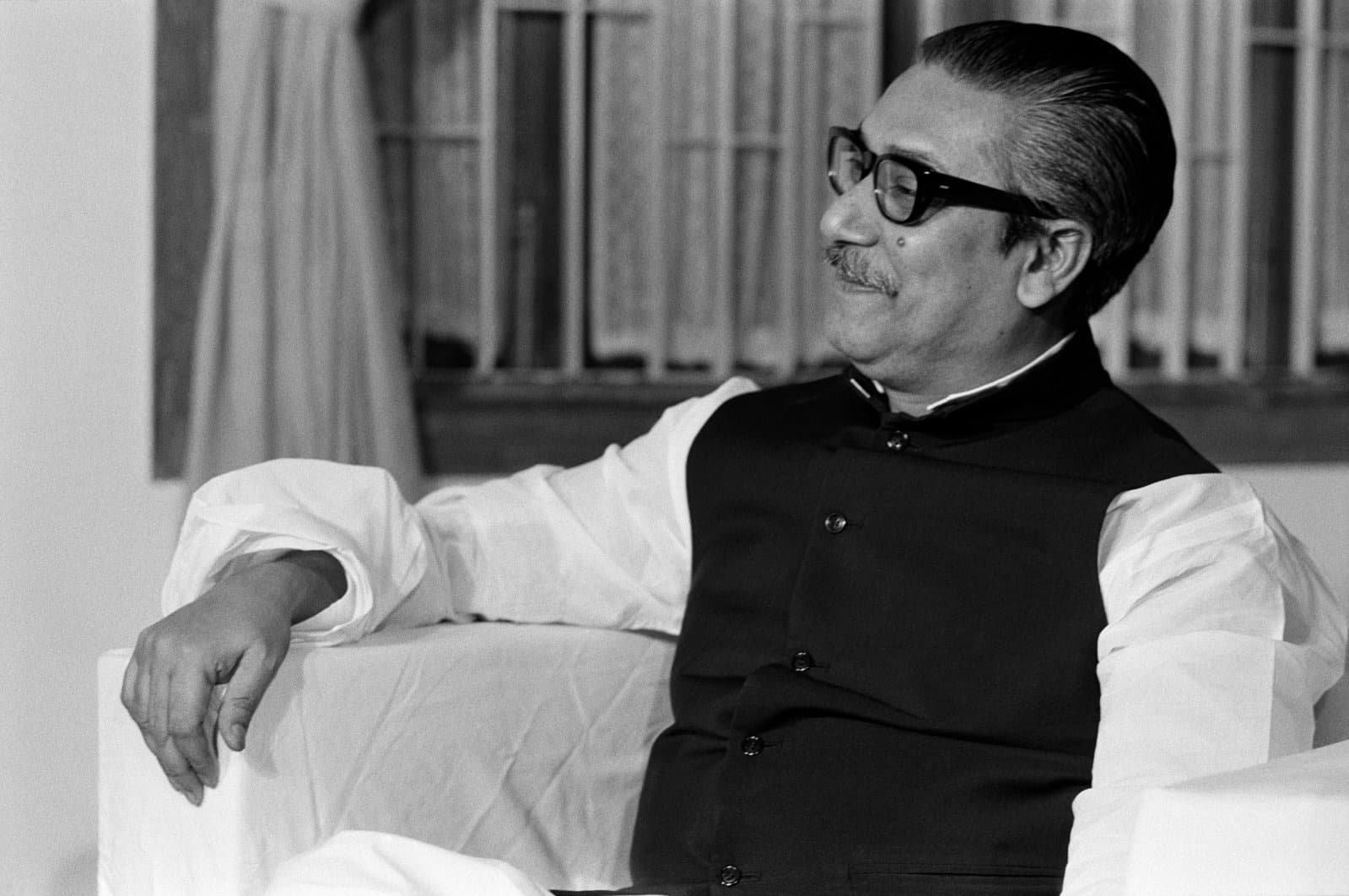
The ambition to “bring a smile to the faces of the distressed people of Bengal” was the centrepiece of Bangabandhu’s political vision. The dream he envisioned of building a humanitarian Bangladesh, free from exploitation and discrimination, remains alive in the hearts of the people today. There is a firm belief that this dream will be fully realised in the near future.
Because history bears witness—
Bengalis do not bow their heads.
The struggle of Bengalis does not stop.
The victory of Bengalis is inevitable.
Joy Bangla.