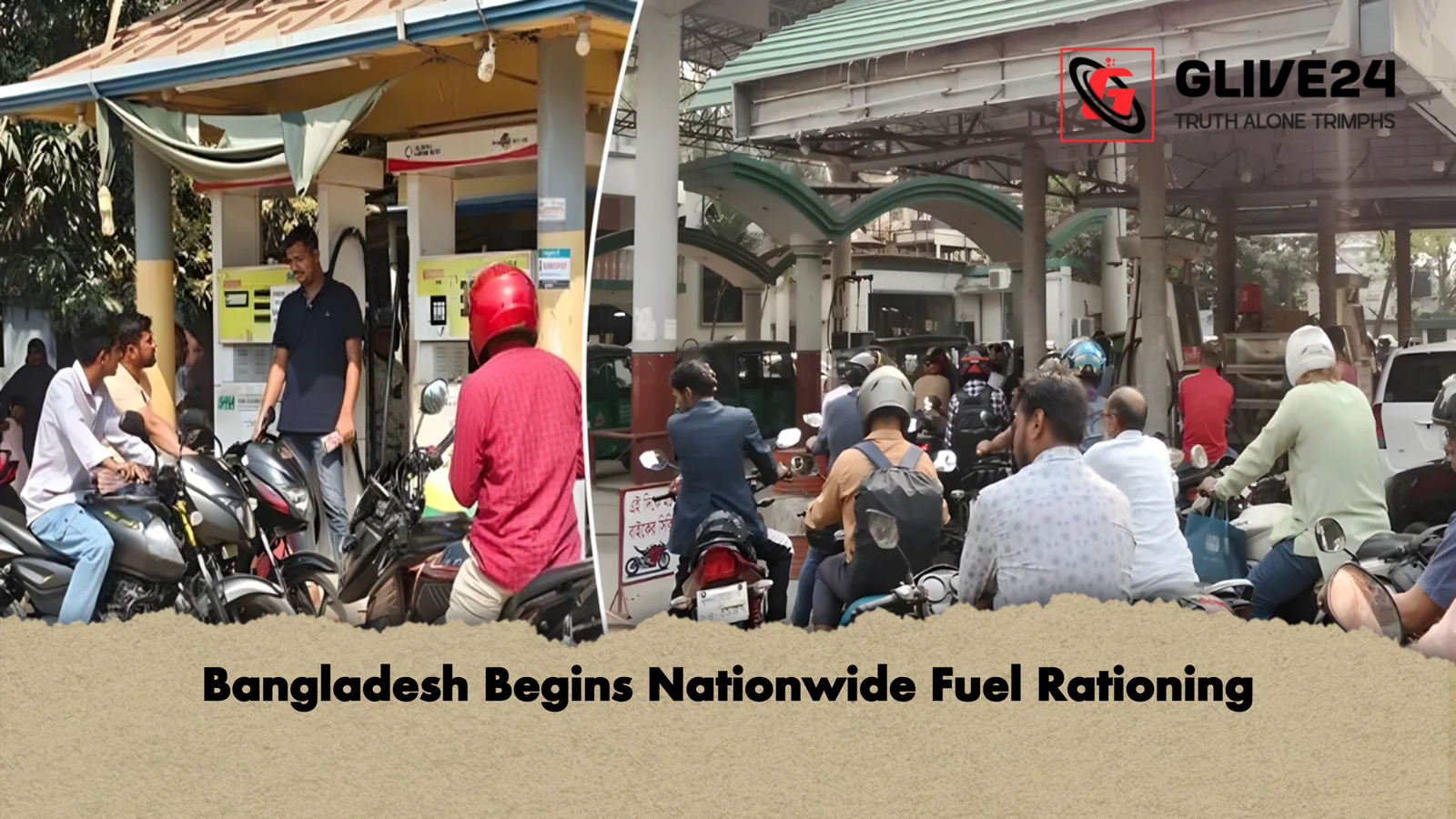
Bangladesh has officially introduced a nationwide fuel rationing system starting Sunday, 8 March, as part of a precautionary effort to prevent a long-term energy shortage and maintain stability in the domestic fuel market. The new distribution policy, announced by the Bangladesh Petroleum Corporation (BPC), sets fixed daily limits on fuel purchases for various categories of vehicles at filling stations across the country.
Government officials have described the measure as a proactive response to global energy uncertainties, particularly those linked to geopolitical tensions in the Middle East. While authorities insist that Bangladesh currently maintains adequate fuel reserves, the rationing system has been designed to prevent panic buying, ensure fair distribution and preserve national fuel stocks in case of potential disruptions in international supply.
The initiative follows directives issued to fuel station operators by Iqbal Hasan Mahmud Tuku, Minister of State for Power, Energy and Mineral Resources, along with Anindya Islam Amit, the ministry’s junior minister. Both officials instructed petrol pump owners to comply strictly with the new guidelines and implement monitoring mechanisms to ensure the policy is applied consistently nationwide.
Daily Fuel Allocation by Vehicle Type
Under the new system, the amount of fuel motorists can purchase each day will depend on the type of vehicle they operate. Motorcycles are permitted to buy a maximum of two litres of petrol or octane per day, while private cars may purchase up to ten litres.
Larger private vehicles, including sport utility vehicles (SUVs), jeeps and microbuses, have been allocated higher daily limits because of their greater fuel consumption. At the same time, diesel distribution for the commercial transport sector has also been brought under the rationing framework to ensure that essential transportation services continue operating without interruption.
Officials from the Bangladesh Petroleum Corporation said the quotas were determined after analysing typical fuel consumption patterns across different vehicle categories and balancing those needs with the country’s supply management strategy.
The newly introduced allocation limits are outlined below:
| Vehicle Category | Fuel Type | Daily Allocation |
|---|---|---|
| Motorcycle | Petrol or Octane | Up to 2 litres |
| Private Car | Petrol or Octane | Up to 10 litres |
| SUV / Jeep / Microbus | Petrol or Octane | 20–25 litres |
| Local Route Bus / Pickup Van | Diesel | 70–80 litres |
| Long-distance Bus | Diesel | 200–220 litres |
| Truck / Covered Van / Container Truck | Diesel | 200–220 litres |
Monitoring and Enforcement Measures
To enforce the policy, the government has deployed mobile courts across the country from the first day of implementation. These teams will conduct inspections at filling stations, review fuel sales records and take legal action against any operators who violate the rationing rules.
According to Minister Tuku, the purpose of the system is primarily to prevent irregularities in fuel distribution rather than to respond to an immediate supply shortage. He reiterated that Bangladesh currently holds sufficient fuel reserves and added that two additional oil tankers are expected to arrive at national ports on 9 March, which will further strengthen supply levels.
Authorities have also warned filling station owners against exceeding the approved limits or giving preferential access to certain customers. Such practices, officials say, could quickly exhaust available stocks and create artificial shortages in the market.
Rising Public Concern
Over the past several days, long queues have been reported at fuel stations in multiple cities, as rumours about a potential shortage prompted many motorists to refuel earlier than usual. The sudden increase in demand has caused temporary congestion at several petrol pumps and raised concerns among transport operators and daily commuters.
In response, government officials have repeatedly assured the public that fuel supplies remain stable. They emphasised that the rationing system is a preventive step designed to maintain orderly distribution and avoid unnecessary pressure on national reserves.
Energy analysts note that similar rationing strategies have been implemented in various countries during periods of global supply uncertainty. By introducing the system at an early stage, Bangladesh hopes to stabilise consumption patterns, reduce panic-driven demand and safeguard its fuel reserves against any sudden disruptions in international energy markets.