
Following its decisive victory in Bangladesh’s recent national elections, the Bangladesh Nationalist Party (BNP) now faces pressing challenges in reviving a stagnating economy, tackling high inflation, and addressing persistent unemployment. Experts have highlighted that the new government’s ability to generate jobs, stabilise prices, and maintain steady relations with key international partners will be central to voters’ assessments in the coming months.
At a webinar hosted by the Asia Society Policy Institute titled “Bangladesh After the Vote: Democracy Reform and Foreign Policy”, Jafor Sobhan, editor of Counterpoint, stressed that employment creation for young people was a major catalyst behind the political movement that led to the former Prime Minister Sheikh Hasina’s fall. He observed that while the BNP might enjoy short-term public support, sustaining that approval will require immediate action on financial stability, currency stability, and reducing non-performing loans.
In the 12 February election, BNP secured 209 out of 300 parliamentary seats, while the Jamaat-e-Islami-led alliance won 77 seats.
According to the International Monetary Fund (IMF), Bangladesh’s economic growth slowed to 3.7 per cent in fiscal year 2025, down from 4.2 per cent in 2024 and 5.8 per cent in 2023. The IMF forecasts that growth could rebound to 4.7 per cent in the current and following fiscal year. Economists attribute the slowdown to global shocks such as the Russia–Ukraine conflict and worldwide economic slowdown, noting that Bangladesh previously enjoyed growth rates of 6–7 per cent over several decades.
Key Economic Indicators
| Indicator | 2023 | 2024 | 2025 | 2026 Forecast |
|---|---|---|---|---|
| GDP Growth (%) | 5.8 | 4.2 | 3.7 | 4.7 |
| Inflation Rate (%) | 6.5 | 7.3 | 7.5 | 6.8 |
| Export Earnings (USD bn) | 52 | 55 | 58 | 60 |
Analysts noted that the experience of newly appointed Finance Minister Amir Khasru Mahmud Chowdhury and Foreign Minister Khalilur Rahman will be instrumental in navigating both economic and diplomatic challenges. Former ambassadors Shahid Akhtar, who served in Spain, Thailand, and Cambodia, highlighted the balance of experienced and younger talent in the new cabinet as a strength for policy implementation.
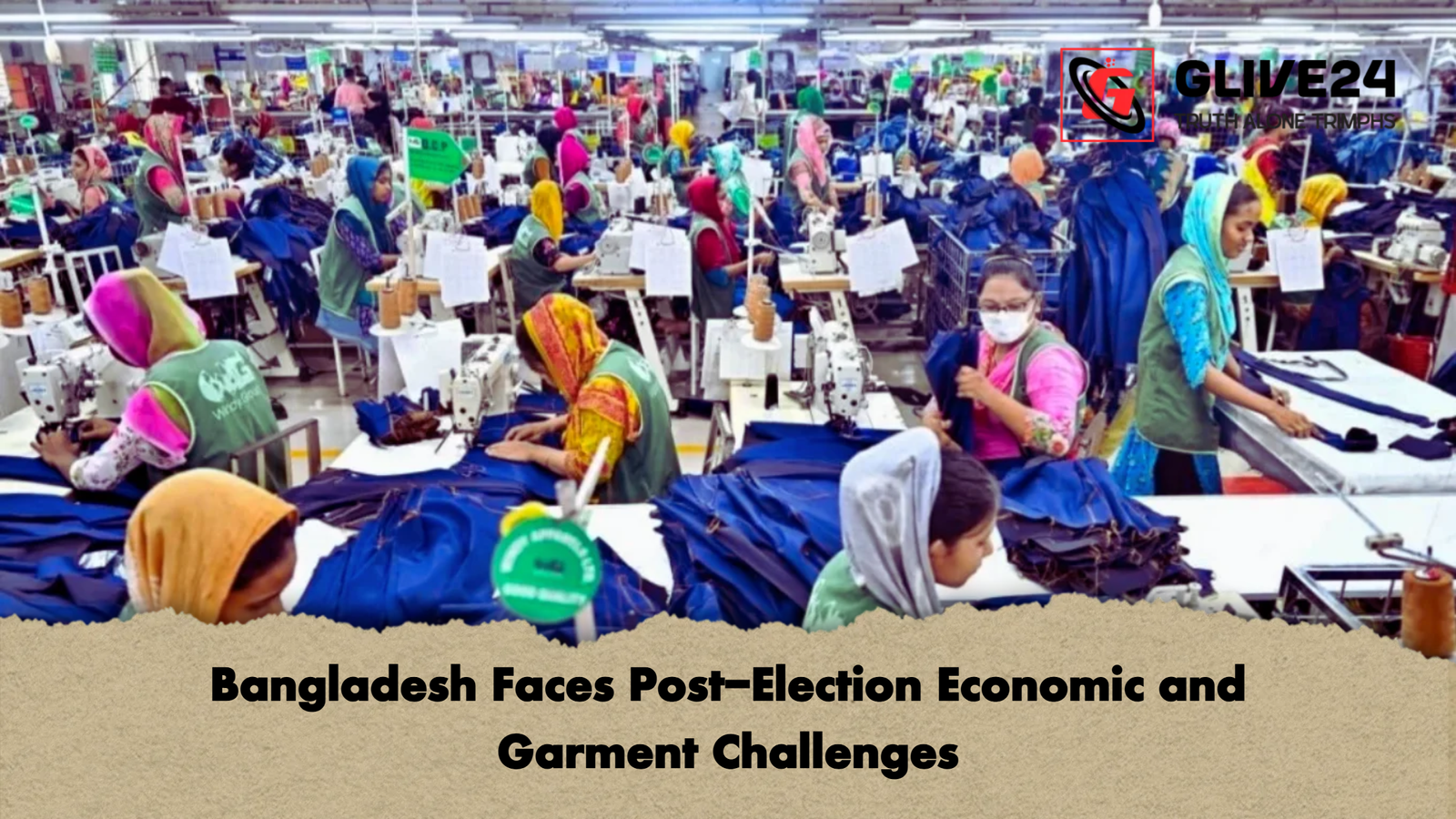
Moody’s recent report highlighted that sporadic law-and-order incidents and labour unrest in the garment sector continue to affect economic activity. Uncertainty over policy direction has also restrained investment, although progress in banking governance, parliamentary activity, and exchange rate flexibility were cited as positive developments.
Oxford Economics predicts that despite notable risks, the BNP is likely to maintain market-friendly economic policies. However, the transition from Least Developed Country (LDC) status in November could reduce trade privileges, potentially affecting export earnings by up to 14 per cent. Currently, Bangladesh’s garment sector benefits from duty-free access under LDC status; losing this advantage will increase direct competition with countries such as Vietnam and India.
Experts anticipate that Prime Minister Tarek Rahman may pursue improved relations with India, following previous tensions related to Sheikh Hasina’s asylum and incidents of communal violence. Professor Sreeradha Dutta of O.P. Jindal Global University noted that there is no sign of hostility and that cooperation could strengthen regional stability.
Observers emphasise that the new government’s success will hinge on four pillars: economic reform, investment-friendly policies, job creation, and balanced diplomacy with neighbouring countries. The coming months will determine whether BNP can convert electoral victory into sustainable governance.