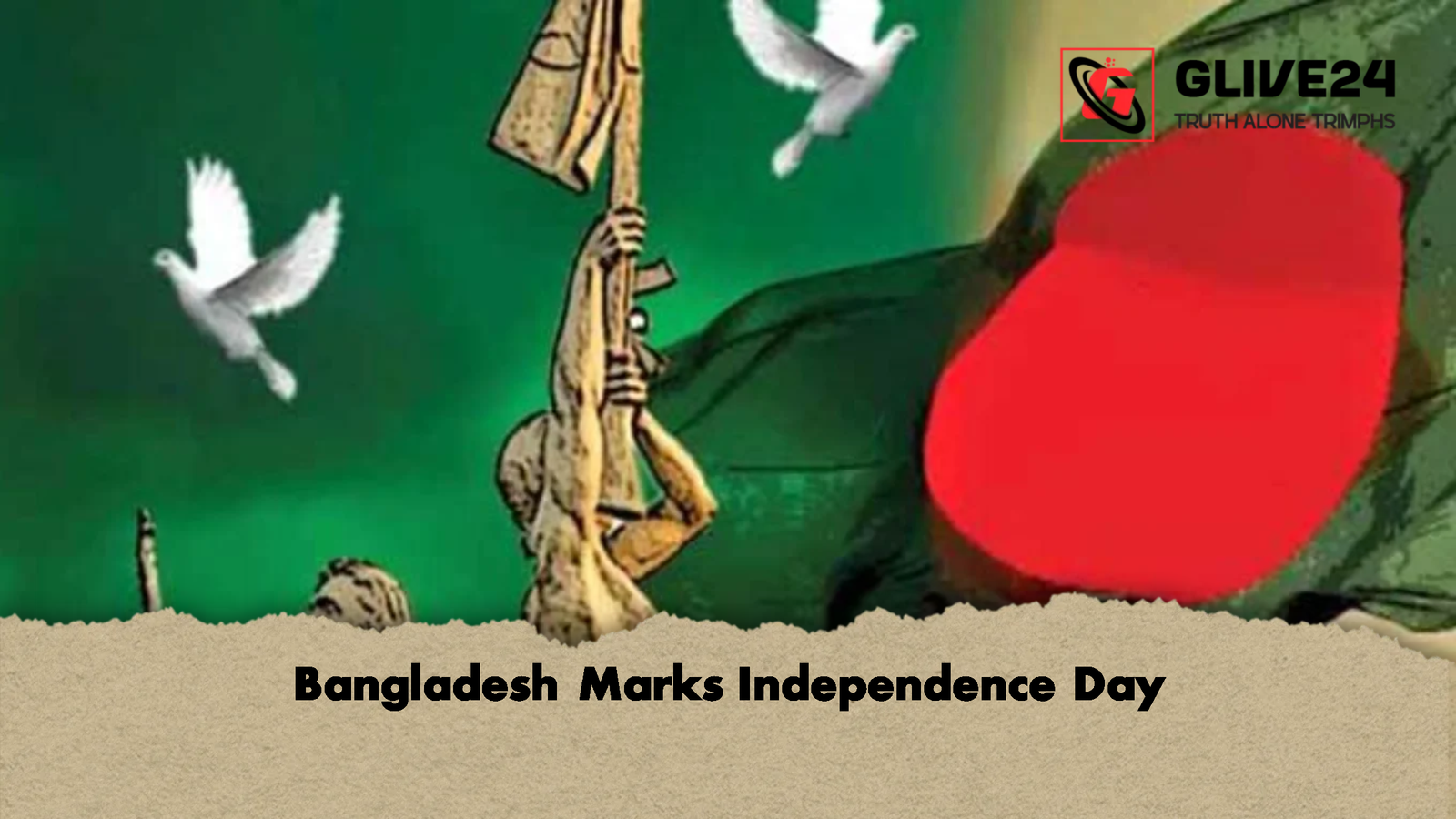
Today, 26 March, Bangladesh observes its Independence and National Day with profound reverence, solemn reflection, and a renewed sense of national pride. The occasion marks the historic beginning of the country’s struggle for independence, which was ignited following the brutal military crackdown of 25 March 1971. In the early hours of 26 March, the call to resist was sounded, signalling the start of the Liberation War. Over the course of nine months, the nation endured immense suffering and sacrifice, with an estimated three million people losing their lives. This struggle culminated in victory on 16 December 1971, when Bangladesh emerged as an independent state.
The day has been declared a public holiday, and it is being observed across the country as well as in Bangladeshi missions abroad. Government offices, educational institutions, and public and private organisations are participating in a series of programmes designed to honour the nation’s history and martyrs. Special tributes have also been paid by the country’s top leaders, including the President, Mohammed Shahabuddin, and the Prime Minister, Tarique Rahman, who conveyed their greetings to citizens both at home and overseas.
In his message, the President described independence as the nation’s most significant achievement. He paid deep respect to the martyrs of the Liberation War, including freedom fighters, the tortured and the oppressed, and all those who contributed to the struggle for freedom. He emphasised that the fundamental aspirations of independence—political and economic liberty, social justice, and human dignity—must still be fully realised. He also called for transparency, accountability, and good governance across all sectors, urging collective efforts to build a just and prosperous society for future generations.
The Prime Minister echoed these sentiments, highlighting that Independence Day renews the nation’s commitment to courage, sacrifice, and patriotism. She noted that the core objective of the liberation struggle was to establish a democratic, peaceful, and equitable nation. She urged citizens to remain united, to practise tolerance, and to actively contribute to the country’s continued development and progress.
Celebrations began at dawn with ceremonial gun salutes, followed by the hoisting of the national flag at government, semi-government, autonomous, and private institutions across the country. Similar observances are taking place in Bangladeshi diplomatic missions abroad. One of the central moments of the day will be the laying of wreaths at the National Martyrs’ Memorial in Savar by the President and Prime Minister, followed by tributes from freedom fighters, dignitaries, and foreign diplomats.
A wide range of programmes has been arranged nationwide to mark the occasion. These include military parades, cultural performances, public discussions, and various competitions in schools and colleges. Media outlets are broadcasting special programmes focusing on the Liberation War, while exhibitions and film screenings are being held to educate younger generations about the nation’s struggle and heritage.
| Category | Programme | Location | Time |
|---|---|---|---|
| National Ceremony | Gun salute and flag hoisting | Nationwide | Sunrise |
| Wreath Laying | Tribute at Martyrs’ Memorial | Savar | Morning |
| Parade & Fly Past | Armed forces display | National Parade Square, Dhaka | 09:00 AM |
| Cultural Programme | Music and performance | Manik Mia Avenue | 07:30 PM |
| State Reception | Hosted by the President | Bangabhaban | Afternoon |
| Public Exhibition | Naval and coast guard vessels | Various ports | 09:00 AM–Sunset |
Public engagement remains a key feature of the celebrations. Naval and coast guard vessels have been opened to visitors at major ports such as Chattogram and Mongla, allowing citizens to experience maritime assets firsthand. In the evening, a grand cultural event at Manik Mia Avenue will feature performances by the armed forces orchestra alongside renowned musical groups, adding vibrancy to the national festivities.
Educational institutions are hosting debates, art competitions, and discussions, while museums are welcoming visitors free of charge. Religious institutions are also conducting special prayers, seeking peace, prosperity, and national unity.
The observance extends beyond celebration to include humanitarian initiatives. Special meals are being provided in hospitals, prisons, orphanages, and care homes, ensuring that vulnerable groups are not left out of the national spirit of the day.
The Bangladesh Shilpakala Academy has also organised commemorative events, including a wreath-laying ceremony at the National Martyrs’ Memorial and an evening programme featuring discussion and cultural performances at the National Theatre Hall. These events highlight the vital role of art and culture in preserving the memory of the Liberation War and fostering national identity.
As Bangladesh reflects on its journey, Independence Day stands as both a tribute to the sacrifices of the past and a reminder of the collective responsibility to uphold the values of freedom, justice, and unity, while striving towards a more inclusive and prosperous future.