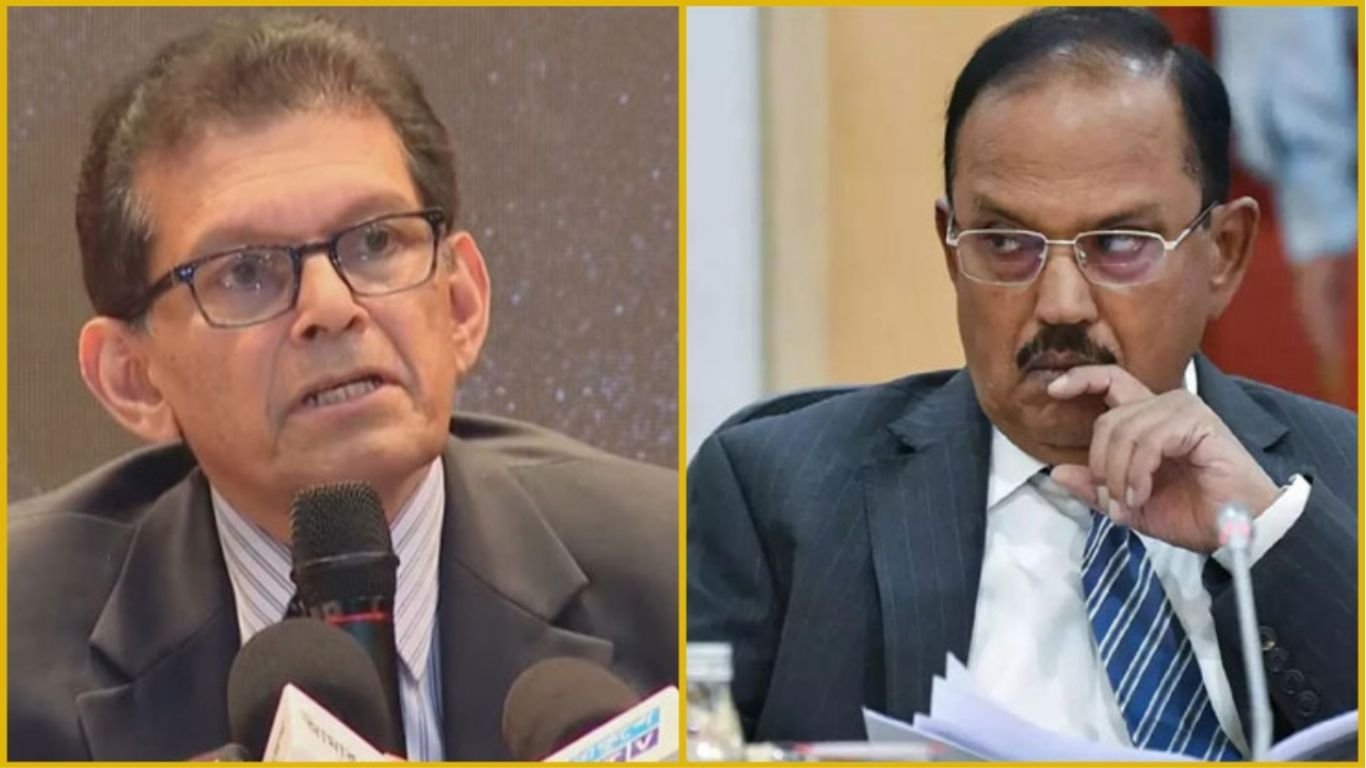
Dr Khalilur Rahman, Bangladesh’s National Security Adviser, arrived in New Delhi on Tuesday—one day earlier than planned—sparking renewed speculation about the current state of Dhaka–Delhi relations. He had been invited by India’s National Security Adviser, Ajit Doval, to participate in a regional consultation on security issues, and was originally scheduled to depart on Wednesday. His return is expected on Thursday night.
The sudden advancement of the trip is widely believed to be connected to the death penalty recently delivered against former Prime Minister Sheikh Hasina for crimes against humanity. The ruling has placed Bangladesh’s political landscape under intense scrutiny and generated delicate diplomatic challenges, particularly because Hasina has been living in India since fleeing the country during the violent student-led uprising of August last year.
Dr Rahman will take part in the Colombo Security Conclave (CSC) on 20 November in New Delhi, where regional security, counter-terrorism cooperation and maritime safety are on the agenda. Before that meeting, he is expected to hold discussions with key Indian officials. The interim government in Dhaka has formally requested India to return Sheikh Hasina under existing extradition arrangements. Foreign Affairs Adviser Md Touhid Hossain told reporters that a letter has been sent to New Delhi requesting her repatriation.
These circumstances have added considerable diplomatic weight to Dr Rahman’s early arrival. Observers anticipate that his conversation with Ajit Doval will touch not only on regional stability but also on the sensitive question of Hasina’s future. This is Dr Rahman’s first trip to India since the interim administration took charge 15 months ago.
Following the fall of the Hasina government, diplomatic engagements between Bangladesh and India have been regular though cautious. High-level discussions were held in New York shortly after the government’s collapse, followed by foreign secretary-level talks in Dhaka last December and a meeting between Chief Adviser Dr Muhammad Yunus and Indian Prime Minister Narendra Modi in Bangkok earlier this year.
In each of these interactions, both sides expressed their respective positions on Bangladesh’s shifting political dynamics. Analysts now suggest that India’s muted and measured response to Monday’s verdict may indicate a willingness to maintain stability and avoid further escalation. Against this backdrop, Dr Rahman’s consultations in Delhi may play an important role in shaping bilateral relations in the months ahead.