
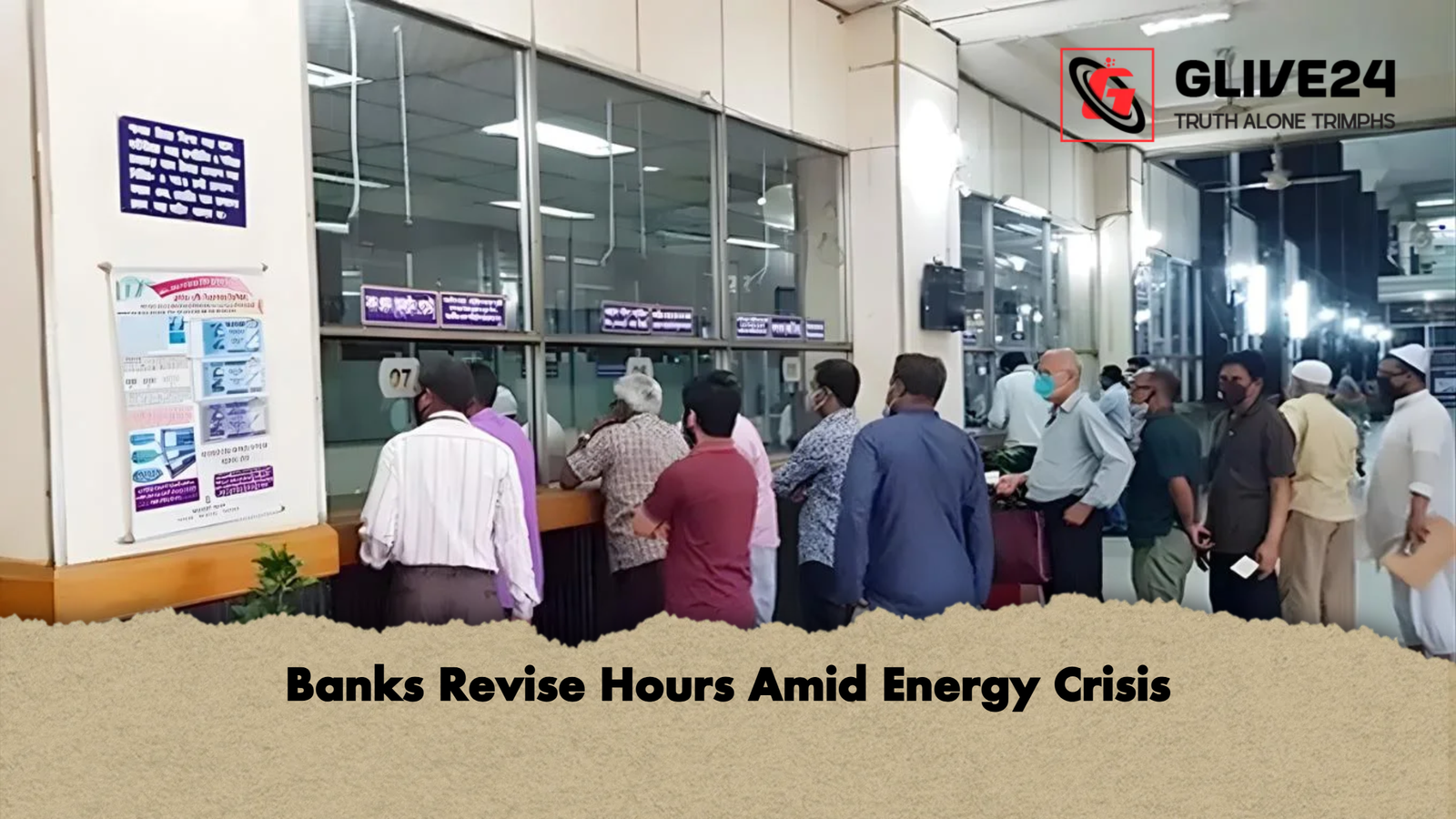
In response to escalating geopolitical tensions in the Middle East and the resulting global energy crunch, the government has introduced revised working hours across public and private institutions, including the banking sector, as part of broader austerity measures aimed at reducing national energy consumption.
The decision was finalised at a Cabinet meeting held on Thursday, chaired by the Head of Government. Following the meeting, the Cabinet Secretary briefed journalists, stating that the administration has directed all sectors to streamline operations within a more limited timeframe in order to conserve electricity and fuel. The restructuring of banking hours forms a key component of this nationwide efficiency drive.
Under the newly announced schedule, banking transactions will now take place from 9:00 a.m. to 3:00 p.m., replacing the previous operating window of 10:00 a.m. to 4:00 p.m. Although customer-facing services will conclude earlier in the afternoon, banks will remain open until 4:00 p.m. to complete internal procedures, including account reconciliation, documentation checks, and administrative formalities.
Officials argue that the adjustment will help reduce peak-hour energy demand while ensuring that essential financial services remain uninterrupted. The government expects that more disciplined working hours will also improve operational efficiency across institutions.
For customers, the revised schedule means that most banking activities will need to be completed earlier in the day, particularly within the morning and early afternoon period. Businesses, importers, exporters, and individual account holders may need to adjust their routines to accommodate the shortened transaction window.
Comparison of Banking Hours
| Aspect | Previous Schedule | New Schedule |
|---|---|---|
| Transaction start time | 10:00 a.m. | 9:00 a.m. |
| Transaction end time | 4:00 p.m. | 3:00 p.m. |
| Internal banking operations | 4:00 p.m. to evening | 3:00 p.m. to 4:00 p.m. |
| Total operational window | Approximately 8 hours | Approximately 7 hours |
Economic analysts note that rising global energy prices and supply uncertainties are disproportionately affecting developing economies, prompting governments to adopt cost-cutting measures. While such policies are considered necessary in the current environment, experts suggest that transitional challenges may arise within service-oriented sectors such as banking, where customer demand is concentrated within limited hours.
Despite these concerns, senior banking officials remain optimistic. They believe the revised structure will not significantly disrupt service delivery. Instead, they argue that a more compressed schedule could encourage better time management, reduce inefficiencies, and strengthen internal administrative discipline within financial institutions.
Overall, the policy marks a significant operational shift driven by external economic pressures. As the energy crisis continues to shape national policy decisions, the banking sector is expected to remain one of the key areas adapting to ensure both sustainability and continuity of essential services.