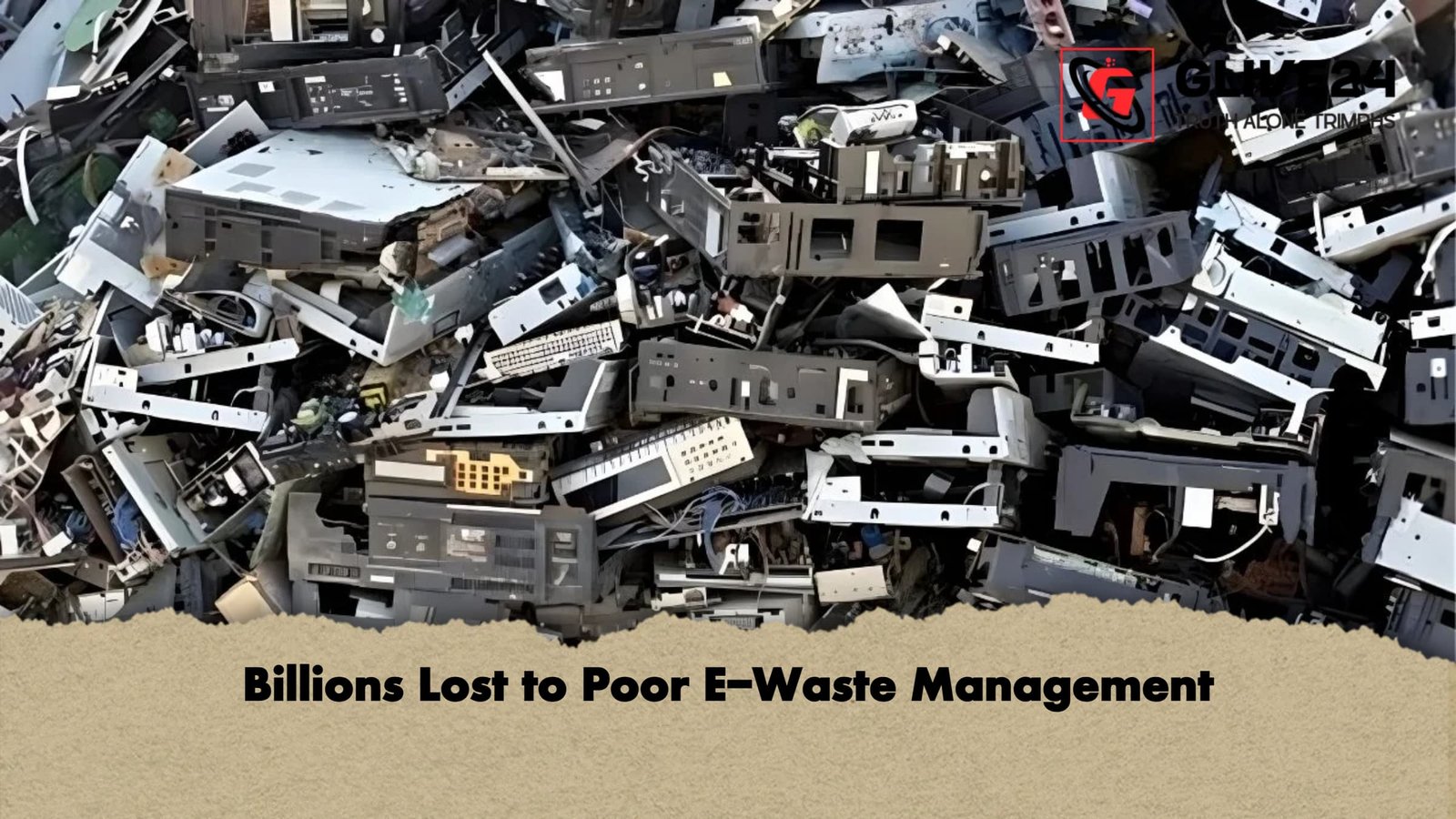
Bangladesh’s electronics market is experiencing an unprecedented boom, but the surge in digital consumption has left the nation grappling with a mountain of toxic debris. Experts and researchers warn that while the domestic electronic waste (e-waste) sector is valued at a staggering BDT 6,000 crore, a lack of formal infrastructure and systematic recycling means that approximately BDT 5,500 crore is lost to the economy every year.
Table of Contents
A Wealth of Discarded Resources
Electronic waste—comprising defunct mobile phones, laptops, batteries, and household appliances—is a literal goldmine. High-grade circuit boards contain significant quantities of gold, platinum, palladium, silver, and copper. If these materials were recovered through regulated, domestic channels, Bangladesh could drastically reduce its reliance on the costly importation of raw metals.
However, current data paints a grim picture of inefficiency. According to the Bangladesh Mobile Phone Importers Association (BMPIA), 35 million mobile phones are sold annually, leading to at least 3 million handsets entering the waste stream each year.
The Informal Sector and Environmental Peril
Research conducted by Transparency International Bangladesh (TIB) reveals a deeply concerning trend: 97% of the nation’s e-waste is processed by the informal sector. Unregulated traders use primitive methods to dismantle devices, exposing workers—many of whom are women—to hazardous substances such as lead, mercury, and cadmium.
The E-Waste Crisis by the Numbers:
| Metric | Statistics |
| Annual E-Waste Production | 367 Million Kilograms |
| Yearly Growth Rate | 30% |
| Total Economic Potential | BDT 6,000 Crore |
| Current Annual Loss | BDT 5,500 Crore |
| Formal Recycling Rate | Only 3% |
| Per Capita E-Waste | 2.2 kg per person/year |
Policy Failure and Shadow Exports
Despite the enactment of the Hazardous Waste (E-waste) Management Rules 2021, enforcement remains largely on paper. TIB reports that 88% of consumers are unaware of proper disposal methods, while 72% of households stockpile dead devices at home.
Furthermore, a shadow market has emerged. Over the last three years, approximately 15,000 tonnes of e-waste were exported annually, often bypassing the “Prior Informed Consent” (PIC) system. This results in foreign refineries extracting high-value metals while Bangladesh bears the brunt of the environmental pollution.
A Ticking Ecological Time Bomb
Industry leaders, including Akter Ullah Alam of the WEEE Society, argue that a structured circular economy could save Bangladesh USD 500 million in raw material costs. Without a shift toward Extended Producer Responsibility (EPR) and government-backed incentives for licensed recyclers, the crisis will only deepen.
The projected influx of 5.5 million tonnes of solar panel waste and thousands of electric vehicle batteries by 2060 threatens an “irreversible disaster.” As TIB Executive Director Dr Iftekharuzzaman warns, unless institutional weaknesses are addressed immediately, this toxic accumulation will lead to a catastrophic collapse of public health and the environment.