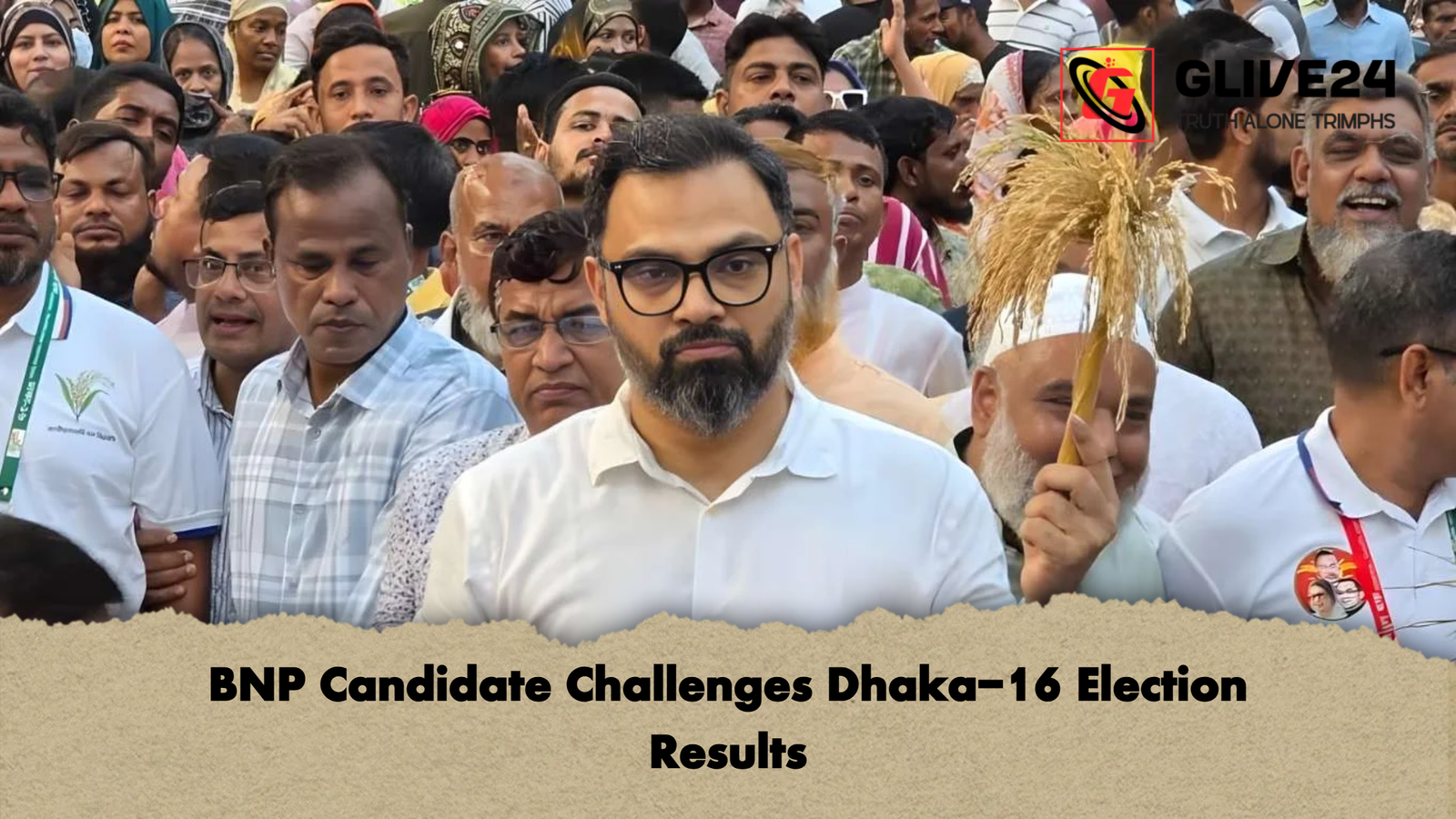
In a significant legal development following the 13th National Parliament elections, Bangladesh Nationalist Party (BNP) candidate Aminul Haque has filed a petition with the High Court contesting the results of the Dhaka-16 constituency. He has demanded the annulment of the election outcome and a full recount of the votes, citing alleged irregularities and questioning the transparency and impartiality of the electoral process.
Court sources indicate that Aminul Haque has taken this legal step to safeguard electoral integrity and ensure that the process reflects the genuine will of the voters. The case has drawn attention from political analysts and legal experts, who emphasise that challenging election outcomes is a vital mechanism for upholding voter rights and strengthening democratic accountability.
This legal challenge is part of a broader trend, with candidates from more than fifteen constituencies across the country filing similar petitions with the High Court. Notable constituencies include Dhaka-6 and Dhaka-7, Rajshahi-1 and Rajshahi-4, Pabna-4, and Rangpur-4 and Rangpur-6. These petitions primarily allege procedural irregularities, including discrepancies in vote counting and handling of ballots.
In response to these applications, the High Court has directed the Election Commission to secure all relevant electoral materials, including ballot papers, counting instruments, and official election documents, to facilitate thorough scrutiny.
Under the Representation of the People Order, 1972 (amended in 2001), the High Court establishes election tribunals to adjudicate such disputes. In accordance with Section 49 of the Order, the Chief Justice has constituted a single bench tasked with hearing the petitions, issuing rulings, and executing all necessary legal procedures based on the evidence presented.
Legal experts highlight that these proceedings are crucial for ensuring the transparency and fairness of the electoral system, reinforcing public confidence in democratic processes.
The table below summarises recent election challenges and court directives:
| Constituency | Candidate | Political Party | Nature of Complaint | Court Directive |
|---|---|---|---|---|
| Dhaka-16 | Aminul Haque | BNP | Electoral irregularities | Preserve ballots and election records |
| Dhaka-6 | Unknown | Various | Voting procedure | Preserve ballots and election records |
| Dhaka-7 | Unknown | Various | Voting procedure | Preserve ballots and election records |
| Rajshahi-1 | Unknown | Various | Electoral irregularities | Preserve ballots and election records |
| Rajshahi-4 | Unknown | Various | Electoral irregularities | Preserve ballots and election records |
| Pabna-4 | Unknown | Various | Electoral irregularities | Preserve ballots and election records |
| Rangpur-4 | Unknown | Various | Electoral irregularities | Preserve ballots and election records |
| Rangpur-6 | Unknown | Various | Electoral irregularities | Preserve ballots and election records |
The High Court has scheduled consecutive hearings for these petitions throughout April and May. Aminul Haque’s case will be examined in accordance with established legal procedures, and the court will issue decisions based on the documented evidence and submissions from all parties.
Legal analysts believe that the Dhaka-16 challenge is poised to play a pivotal role in reinforcing electoral transparency and fairness, potentially setting a precedent for the handling of future electoral disputes in Bangladesh.