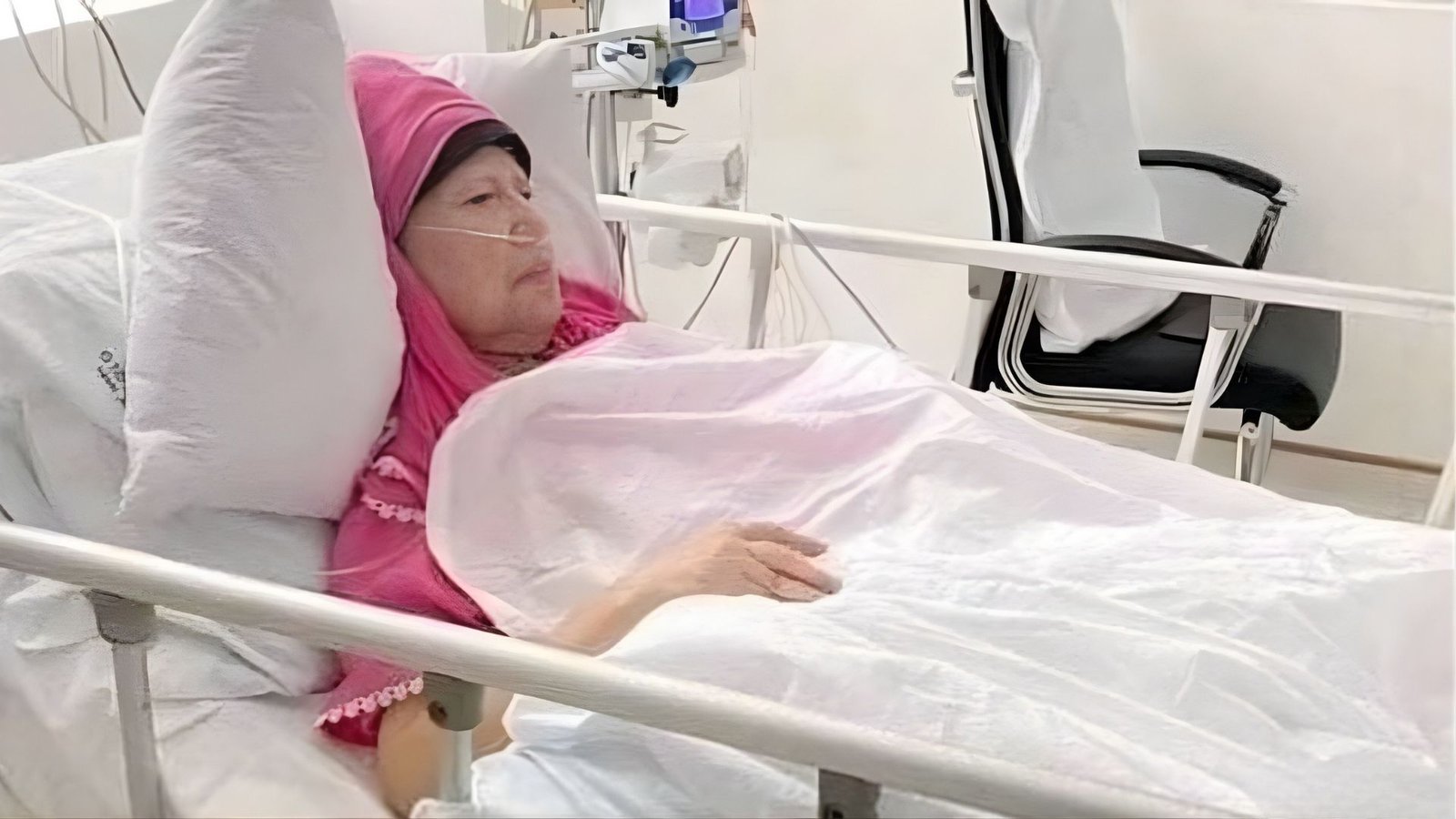
BNP Chairperson Khaleda Zia’s health has taken a sudden and alarming turn. Early Sunday morning, she was moved to the Intensive Care Unit (ICU) at Evercare Hospital after her condition deteriorated while she was in the High Dependency Unit (HDU). Doctors have placed her on ventilatory support to help her breathe, although she is not on full life support.
Speaking to the press after visiting the hospital on Monday evening, a senior BNP leader stated: “Her condition is critical. She is on ventilation, but not on life support. She is fighting to recover.” Earlier in the day, BNP Vice-Chairman Ahmed Azam Khan described her state as “very critical” and confirmed that she had been in this condition since Sunday night. He visited the hospital but could not see her directly. “Whether you call it CCU, ICU, ventilation, or life support, the fact is that Madam is critically ill and struggling to return to us,” he told reporters.
Khaleda Zia, who has been hospitalised since 23 November, has been battling multiple severe health issues, including liver complications, reduced kidney function, respiratory distress, and diabetes. Until Saturday, she had remained largely unresponsive, speaking only briefly. Her medical team has emphasised that the next few days are crucial, and any sustained recovery will depend heavily on stabilising her kidney function.
A team of five Chinese medical specialists has arrived to provide additional support for her care. They are coordinating with a medical board comprising Bangladeshi experts, doctors from Johns Hopkins Hospital in the United States, and London Clinic specialists. The main Chinese medical team is expected to join the board on Tuesday to oversee her treatment.
In light of recent media speculation, BNP leaders have urged the public to rely solely on statements from her personal physician, Dr. AZM Zahid Hossain, to prevent confusion. Secretary-General Mirza Fakhrul Islam Alamgir reiterated that her condition is stable under close supervision and urged citizens not to be misled by unverified news reports.
Across the country, BNP and its affiliated organisations have held prayers and special religious gatherings for her recovery. Charitable acts, including the distribution of meat from sacrificial animals to the poor, have been conducted as part of efforts to pray for her health and longevity.
This critical phase in Khaleda Zia’s illness has attracted nationwide attention, highlighting the intersection of political leadership, public concern, and healthcare challenges. Her medical situation continues to be monitored closely by an international team of specialists, reflecting the complexity and seriousness of her condition.