
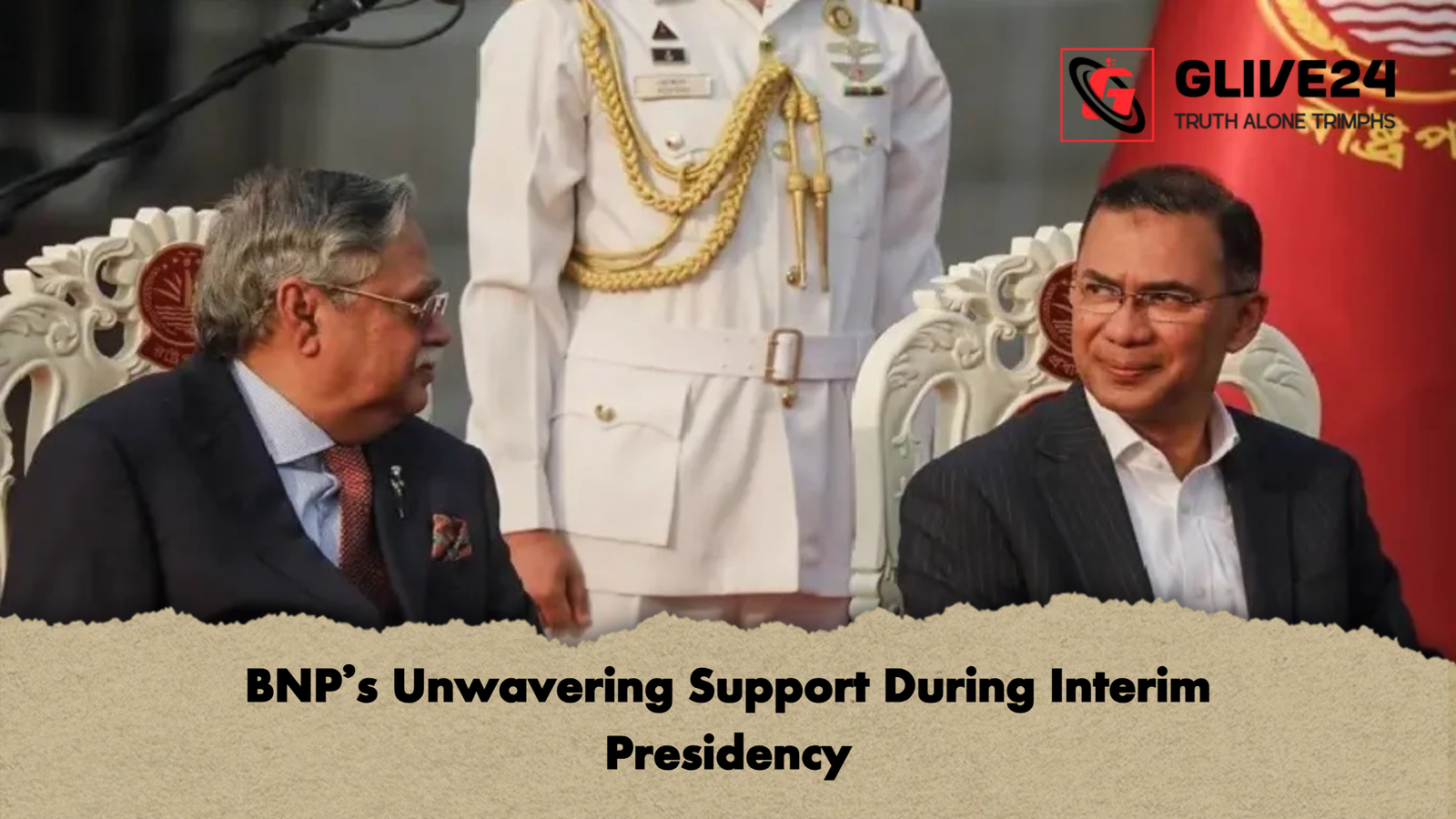
Following the fall of Prime Minister Sheikh Hasina’s government in August 2024, Bangladesh experienced a period of unprecedented political turbulence, marked by sweeping changes across the administration, including the judiciary and the Supreme Court. Amid this upheaval, questions arose over how President Mohammad Sahabuddin, elected during the Awami League government, managed to retain his office throughout this turbulent interim period.
During this time, the nation’s Chief Justice was compelled to resign, and the Speaker of the Parliament, Shirin Sharmin Chaudhury, reportedly remained in an uncertain position before eventually stepping down. Meanwhile, efforts to remove or pressure President Sahabuddin intensified, with at least two major attempts to surround the Bangabhaban or demand his resignation. Despite these pressures, he remained steadfast in office, ultimately administering the oath to the newly elected Prime Minister on 17 February, following the parliamentary elections held on 12 February.
President Sahabuddin later disclosed the reasons behind his political survival in an interview with the Dhaka daily Kaaler Kantho. “During my most difficult times, the BNP’s support was absolute,” he stated. He further alleged that even within the interim government, efforts were made to remove him, yet the BNP, along with the armed forces, assured and supported him.
He also criticised the Press Wing of the interim government’s Chief Adviser for suspending the presidential press office, and for failing to inform him of foreign trips or agreements in accordance with protocol. Additionally, he expressed frustration over the removal of the presidential portrait from Bangladesh missions abroad without his knowledge.
Key Political Events During Interim Period
| Date | Event | BNP / Government Response |
|---|---|---|
| 22 October 2024 | Protestors demand presidential resignation at Bangabhaban | BNP leaders advise maintaining constitutional stability |
| 23 October 2024 | Meeting with Chief Adviser on presidential status | BNP permanent committee members advocate against removal to avoid parliamentary delay |
| 19 October 2024 | President’s interview highlights internal removal attempts | BNP and coalition support ensures the President retains office |
| 17 February 2025 | New Prime Minister sworn in | President Sahabuddin presides; BNP support remains firm |
Senior BNP leaders had publicly opposed calls for Sahabuddin’s removal, citing the risks of political instability, constitutional crises, and potential disruption of the election process. While some leaders, such as Dr. Khandaker Mosharraf Hossain, have since remained tight-lipped about the details, others emphasised that the party’s stance aimed to prevent destabilisation and maintain the constitutional order.
Political analyst Mohiuddin Ahmed explained, “From the outset, the BNP sought swift elections. They could not allow anything to jeopardise the electoral process, and thus opposed any moves to unseat the President, knowing it would be to their advantage.”
President Sahabuddin also recounted that the removal attempt had originated from certain revolutionary leaders pushing for action. Yet, the BNP and its allies effectively neutralised the threat. “The support from the BNP’s top leadership and the three armed forces was decisive. They reminded me that my defeat would equate to a defeat for the entire military, and they prevented that at all costs,” he said.
Reflecting on this period, the President described it as a particularly challenging time, highlighting the unwavering role of BNP Chairman Tarique Rahman and other senior leaders in maintaining constitutional continuity. “Initially, I had my doubts about him, but I gradually realised his sincere and cordial support. During my difficult times, the BNP’s assistance was complete and unequivocal,” he concluded.