
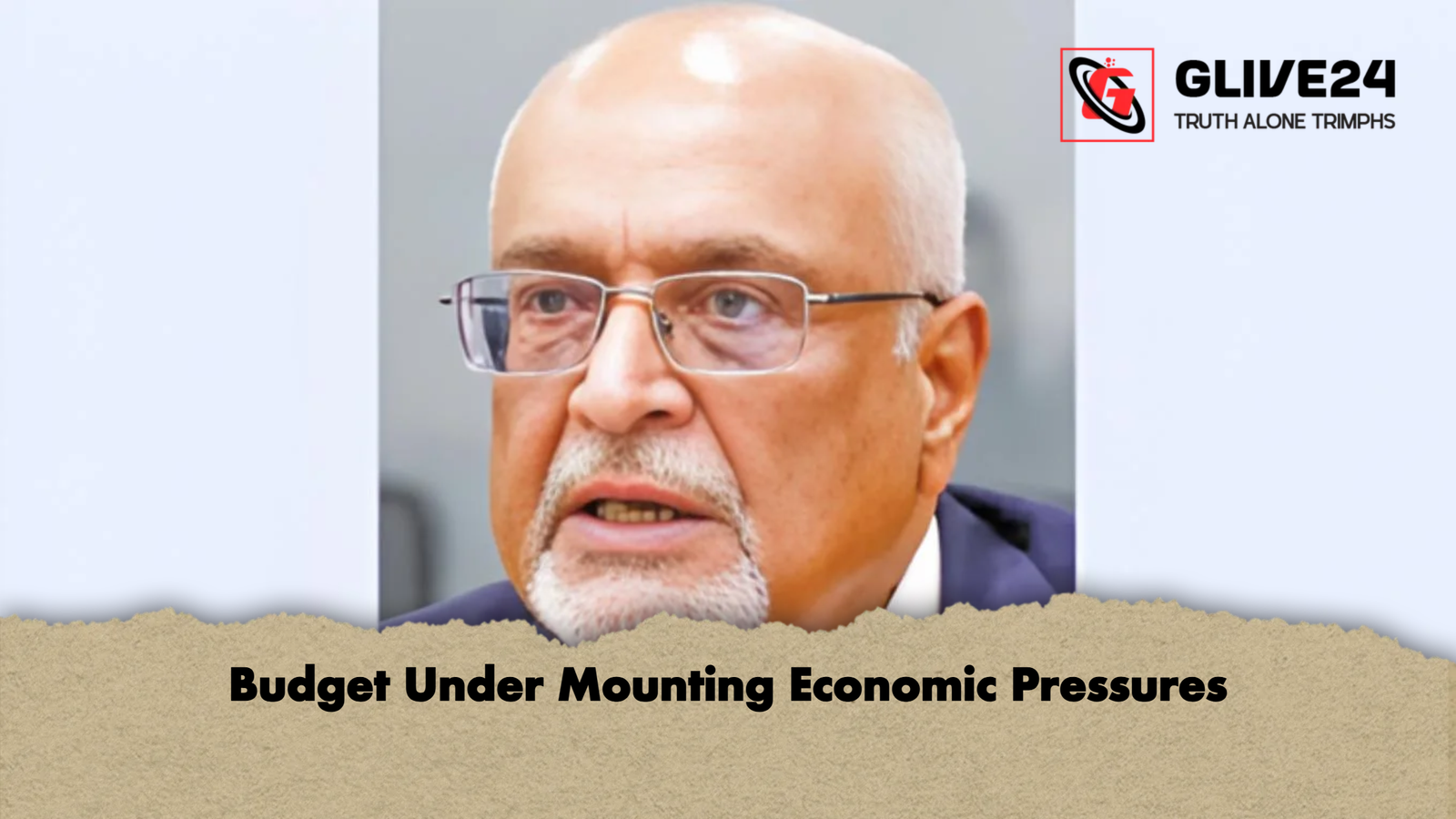
Economists have warned that the preparation of the upcoming national budget is likely to be shaped by a series of intense domestic and global pressures, potentially making it one of the most challenging fiscal exercises in recent years. Rising energy costs, persistent inflation, sluggish revenue growth, and volatility in the foreign exchange market are collectively leading analysts to describe the forthcoming fiscal framework as a “pressure budget”.
Prominent economist and Convenor of the Citizen’s Platform, Dr Debapriya Bhattacharya, has emphasised that the government will have to formulate the budget amid considerable global uncertainty and deep-rooted structural weaknesses within the domestic economy. According to him, if revenue collection fails to grow in line with expectations, both development expenditure and recurrent spending will come under significant strain, potentially threatening overall macroeconomic stability.
He further noted that the burden of existing public debt, combined with limited fiscal space for additional borrowing, is constraining the government’s ability to manoeuvre. At the same time, fluctuations in global energy prices and disruptions in supply chains are continuing to filter into the domestic economy. This has resulted in rising import costs and mounting pressure on foreign exchange reserves.
Dr Bhattacharya stressed that the upcoming budget should not merely be viewed as a routine expenditure statement. Instead, he argued that it must serve as a reform-oriented and realistic economic roadmap. In particular, he highlighted the need for comprehensive reforms in revenue administration, improved efficiency in public expenditure management, and better-targeted allocations for social protection programmes.
Economists broadly agree that if inflation is not brought under control, household purchasing power will continue to erode, weakening domestic demand and affecting overall market stability. Furthermore, increased pressure on public spending could slow down the implementation of development projects, thereby affecting long-term growth prospects.
The key areas of pressure identified by analysts are summarised below:
| Pressure Area | Current Situation | Likely Impact |
|---|---|---|
| Energy sector costs | Volatile global prices | Higher import bills and currency pressure |
| Inflation | Persistently elevated | Reduced purchasing power and rising living costs |
| Revenue collection | Below target growth | Budget deficit and higher reliance on borrowing |
| Foreign exchange market | Ongoing instability | Exchange rate pressure and costlier imports |
| Debt situation | Existing high debt burden | Increased pressure for additional borrowing |
Experts argue that addressing these interconnected challenges will require a coordinated policy response rather than isolated measures. Strengthening revenue mobilisation, reducing non-essential expenditure, and prioritising productive investment are seen as essential steps towards restoring medium to long-term economic stability.
Ultimately, the forthcoming national budget is expected to go beyond the role of a fiscal document. It is increasingly being viewed as a critical test of the country’s economic direction and policy resilience at a time of growing uncertainty.