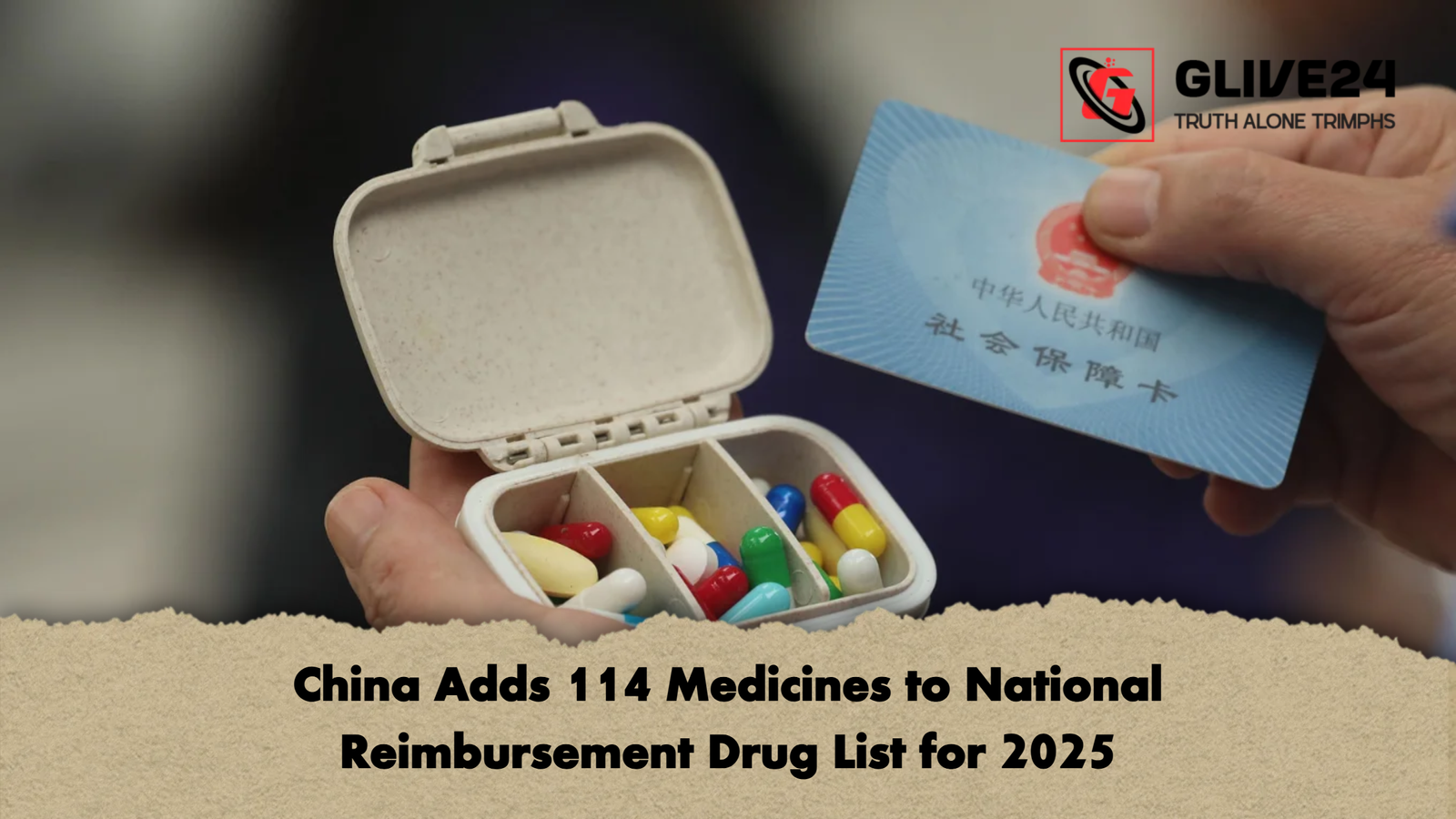
China has unveiled a sweeping update to its National Reimbursement Drug List (NRDL), marking one of the most substantial expansions of public pharmaceutical coverage in recent years. The National Healthcare Security Administration (NHSA) confirmed that 114 new medicines will be added to the list for 2025, significantly easing the financial burden on patients with serious, rare and chronic conditions.
The revised list, which comes into force on 1 January, substantially lowers out-of-pocket costs for treatments targeting some of the country’s most challenging diseases. These include therapies for triple-negative breast cancer, pancreatic cancer and lung cancer, conditions that are often associated with poor prognoses and high treatment expenses. By widening reimbursement eligibility, the authorities aim to improve both access and adherence to life-saving medicines.
Patients living with rare diseases are among the key beneficiaries. Newly covered treatments include those for Langerhans cell histiocytosis and chelator-intolerant thalassaemia, conditions that previously faced limited insurance support. At the same time, the update strengthens protection for individuals managing long-term illnesses such as diabetes, hypercholesterolaemia and autoimmune disorders, reflecting China’s growing focus on chronic disease management in an ageing population.
According to the NHSA, the approval rate for medicines considered for inclusion reached 88 per cent this year, a notable increase from 76 per cent in the previous review cycle. Of the newly added drugs, 50 are classified as Category 1 innovative medicines, underlining Beijing’s policy priority to encourage original research and domestically developed medical breakthroughs rather than reliance on generics alone.
In a parallel move, regulators introduced a commercial health insurance innovative drug directory, designed to complement the basic reimbursement system. This separate list includes 19 high-value therapies that remain outside the core NRDL, such as CAR-T cell cancer treatments, advanced rare disease medicines and novel therapies for Alzheimer’s disease. These drugs are intended to be covered by commercial insurers, providing an additional layer of financial protection for patients requiring cutting-edge care.
With the latest additions, China’s national reimbursement framework now encompasses 3,253 medicines, spanning Western chemical drugs and proprietary Chinese medicines. Coverage now extends more comprehensively across oncology, chronic illnesses, mental health, rare diseases and paediatric care, reinforcing the resilience of the country’s healthcare safety net.
Key figures from the 2025 update
| Item | Number |
|---|---|
| New medicines added | 114 |
| Category 1 innovative drugs | 50 |
| Approval rate of candidates | 88% |
| Medicines in total NRDL | 3,253 |
| Drugs in commercial directory | 19 |
The expansion is widely seen as a milestone in China’s ongoing healthcare reforms, signalling a continued commitment to affordability, innovation and equitable access to essential medicines nationwide.