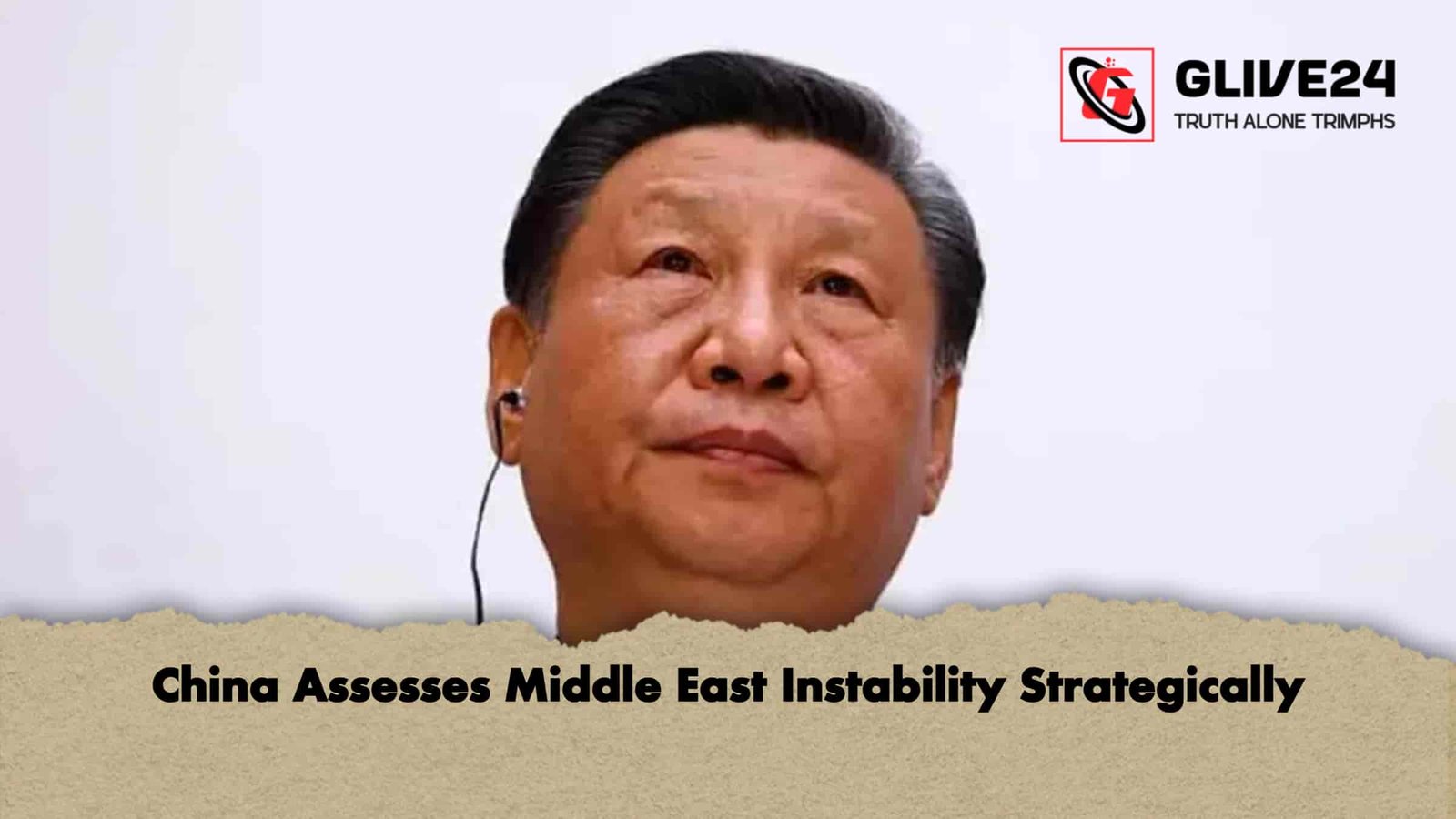
China is increasingly attentive to the growing instability in the Middle East, recognising that while the immediate economic impact is limited, the long-term consequences could be significant. For the short term, Beijing has several months’ worth of oil reserves and could, if necessary, supplement supplies through neighbouring Russia.
Yet Chinese analysts are now closely examining how prolonged unrest may affect the nation’s strategic and economic interests. Beyond investments in the region, the implications extend to global supply chains and geopolitical influence.
This week, thousands of Chinese Communist Party representatives are convening in Beijing to discuss pressing economic concerns. The agenda addresses declining consumer spending, a protracted property market crisis, and mounting local debt. High-tech industries and renewable energy sectors are expanding, yet the government has lowered its growth forecast for the first time since 1991, reflecting caution amid domestic and international pressures.
Trade tensions with the United States over the past year have further complicated China’s economic recovery strategy. The emerging Middle East conflict threatens maritime shipping routes critical to Chinese oil imports, particularly through the Strait of Hormuz.
Table of Contents
Energy and Investment Exposure
China relies heavily on Middle Eastern energy supplies. Any prolonged disruption in shipping lanes could have ripple effects across its economy.
| Category | Details | Implications |
|---|---|---|
| Iranian crude imports | 1.38 million barrels per day (approx. 12% of total, 2025) | Disruption could threaten energy security |
| Pledged investment in Iran | $400 billion over 25 years | Limited realisation; strategic leverage constrained |
| Alleged military cooperation | Training and parts for ballistic programs | Heightened scrutiny from international observers |
| Technology transfer | Surveillance and facial recognition tools | Potential human rights controversies |
Philip Shetler-Jones of the Royal United Services Institute warns that extended instability could affect Chinese investments outside the Middle East. For example, African countries benefiting from Gulf-linked projects could face economic turbulence if investment flows decline.
China-Iran Relations: Calculated and Transactional
Despite perceptions of close ties, the China-Iran relationship is primarily transactional rather than ideological. Diplomatic engagement has grown since 2016, when President Xi Jinping visited Tehran, culminating in a 25-year strategic partnership agreement in 2021. Under this deal, China pledged substantial investment, and Iran agreed to regular oil shipments. However, much of the promised capital has yet to materialise.
China avoids formal military alliances or rapid entanglement in foreign conflicts. While Beijing has condemned recent US and Israeli actions in Iran, its practical capacity to intervene is limited, as seen in its observer role during US operations in Venezuela.
Diplomatic Strategy and Caution
China is pursuing diplomatic engagement to mitigate risks, holding talks with Oman and France and planning to dispatch a special envoy to the region. These steps aim to stabilise energy flows and safeguard global trade routes. The approach is particularly significant ahead of US President Donald Trump’s planned visit to Beijing later this month, which may provide insight into Washington’s stance on sensitive geopolitical matters, including Taiwan.
Steve Tsang of SOAS China Institute highlights that supply chain disruptions could disproportionately affect developing countries, potentially causing short-term food shortages, while exposing divisions within Western alliances.
Strategic Implications
China seeks to present itself as a stable global power while avoiding direct military entanglement. The unfolding crisis underscores Beijing’s pragmatic approach: balancing economic and strategic interests, protecting energy security, and positioning itself as a patient and calculated player on the global stage.