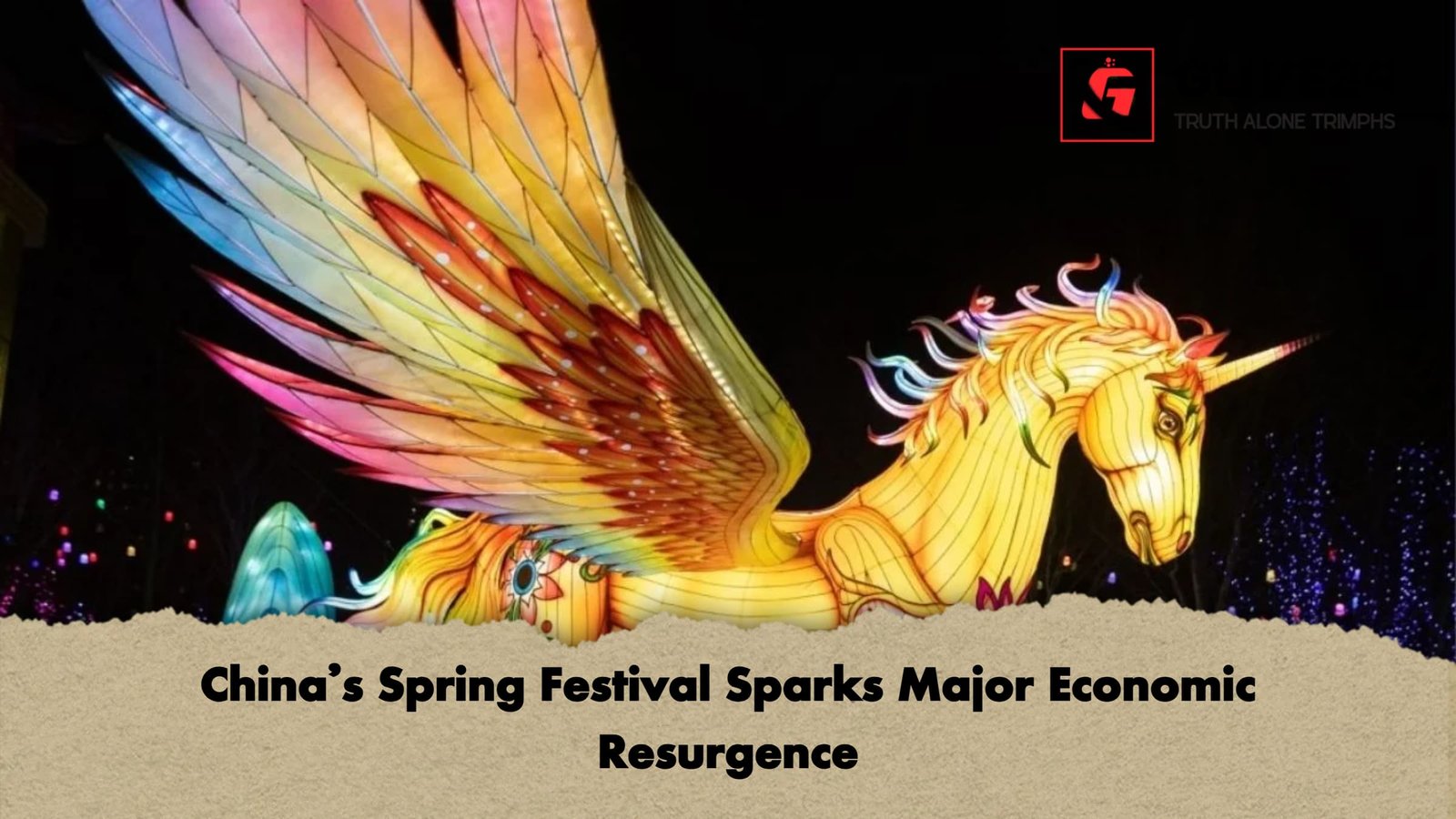
As the Lunar New Year dawns, China has embarked upon the world’s largest annual human migration, locally termed Chunyun. This forty-day period of “Spring Festival travel rush” sees hundreds of millions journeying from bustling urban hubs to ancestral rural villages. While deeply rooted in cultural tradition, this year’s festivities carry an unprecedented weight: they serve as a critical litmus test for the resilience of the Chinese economy.
Record-Breaking Migration Patterns
According to reports from The Guardian, the 2026 Chunyun period, which commenced on 2 February and spans forty days, is expected to shatter all previous records. Senior officials project a staggering 9.5 billion passenger trips—a significant increase from the previous year. To facilitate this, the Beijing government has officially sanctioned a week-long holiday from 15 to 23 February, even extending the traditional break by an additional day to encourage further travel and leisure.
The logistical scale of this migration is reflected in the transport data:
Railway: Surpassed 1 billion passengers within the initial phase.
Aviation: Recorded approximately 16.3 million weekly trips.
Road & Private Travel: Accounting for the vast majority of the 9.5 billion projected movements.
Strategic Stimulus and Consumer Spending
To combat a persistent trend of high household savings and sluggish domestic demand, the Chinese government has pivoted towards aggressive fiscal stimulus. Authorities have announced the distribution of 36 million Yuan (approximately $5.2 million) in consumer vouchers. These are specifically designed to incentivise spending in the retail, hospitality, and entertainment sectors, effectively jump-starting the internal economic engine.
The following table highlights the key economic and logistical drivers of this year’s festival:
| Metric | Details / Projections | Economic Impact |
| Total Trips | 9.5 Billion (Projected) | Surge in transport and fuel revenue |
| Holiday Duration | 8 Days (Extended by 1 day) | Increased hotel and tourism occupancy |
| Government Stimulus | 36 Million Yuan in Vouchers | Boost to retail and catering sectors |
| Visa-Free Entry | Residents of 45+ Countries | Revival of international inbound tourism |
| Cinema Releases | Pegasus 3, Scare Out | High box-office revenue expectations |
Global Connectivity and Cultural Influence
This year, the Spring Festival has evolved into a truly international affair. By offering visa-free entry to citizens of over 45 nations, China is positioning the festival as a global tourism event. Destinations like Thailand, Australia, and Russia have seen a reciprocal surge in popularity as Chinese tourists venture abroad, while international visitors flock to experience the festivities in cities like Beijing and Shanghai.
Beyond travel, the entertainment sector is reaping the rewards of the holiday spirit. Following the monumental success of Ne Zha 2 in previous years, the current cinematic lineup—headlined by Pegasus 3—is drawing millions to theatres.
Ultimately, the Spring Festival of 2026 is far more than a cultural homecoming; it is a sophisticated reflection of China’s shifting economic priorities. By intertwining tradition with modern consumerism, the nation hopes to transition from a production-heavy economy to one driven by vibrant internal demand and global connectivity.