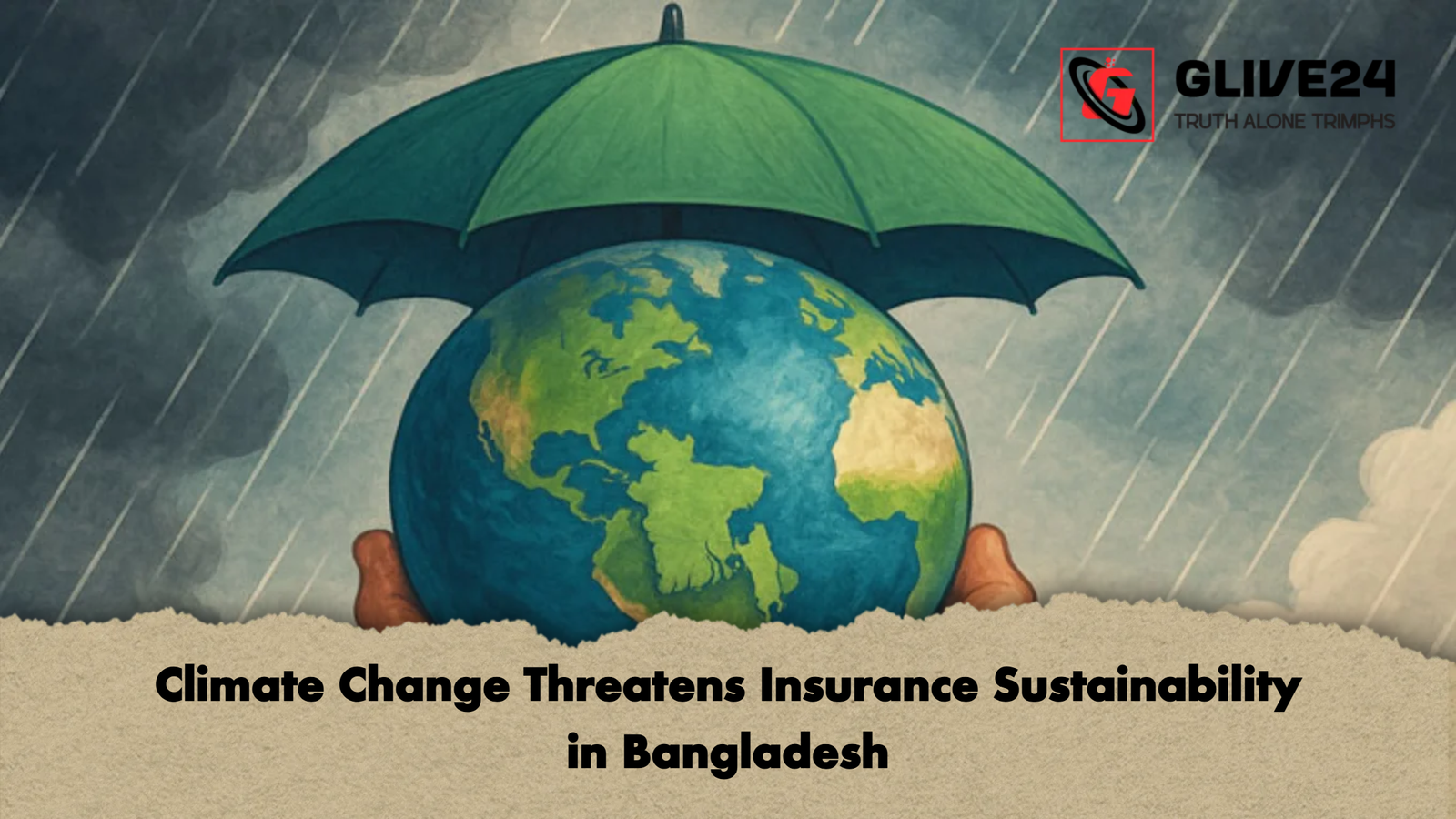
Climate change today is far more than an environmental concern; it poses a profound threat to financial security and social stability alike. Across the globe, natural disasters such as cyclones, floods, riverbank erosion, and waterlogging are increasing in both frequency and intensity. For insurance providers, this escalation has rendered risk assessment and financial preparedness extraordinarily complex. As risks become increasingly unpredictable, the pressing question arises: is our financial system equipped to withstand these mounting challenges?
The fundamental principle of insurance is risk sharing, relying heavily on predictability. By pooling premiums from a broad base of policyholders, insurers provide financial protection to the few who suffer losses. However, climate change has largely undermined this predictability. Disasters no longer follow familiar seasonal patterns, making risk evaluation and premium calculation far more intricate. The direct consequence is reduced accessibility and affordability of insurance, leaving vulnerable populations—especially the poor—exposed to severe financial shocks.
In Bangladesh, the situation is particularly acute. As one of the world’s most climate-sensitive nations, the country regularly faces devastating floods, powerful cyclones, and coastal surges that wreak havoc on agriculture, housing, and small businesses. Yet the reach of insurance remains limited. Post-disaster recovery often depends on personal savings, loans, or government aid, prolonging recovery periods and exacerbating cycles of poverty.
The insurance sector in Bangladesh faces a dual challenge: extraordinarily high and uncertain risk, coupled with limited capacity among citizens to pay premiums. Conventional insurance models struggle under these conditions. Premiums that truly reflect the underlying risk could become unaffordable for ordinary people, restricting the very social protection insurance is intended to provide.
Policy intervention is therefore essential. Leaving the sector to the market alone would exclude the most vulnerable, whereas excessive regulation could threaten the stability of insurance providers. Bangladesh requires an integrated approach in which climate adaptation, disaster management, and insurance strategies are harmonised. Linking effective risk-reduction measures with innovative insurance schemes can strengthen the country’s financial safety net.
In the era of climate change, insurance is no longer merely a financial product; it is inseparable from livelihoods and long-term resilience. Without widespread, inclusive insurance coverage, repeated disasters will continue to devastate the same communities. Addressing this reality demands forward-looking policies, creative insurance solutions, and integrated financial planning centred on climate risk.