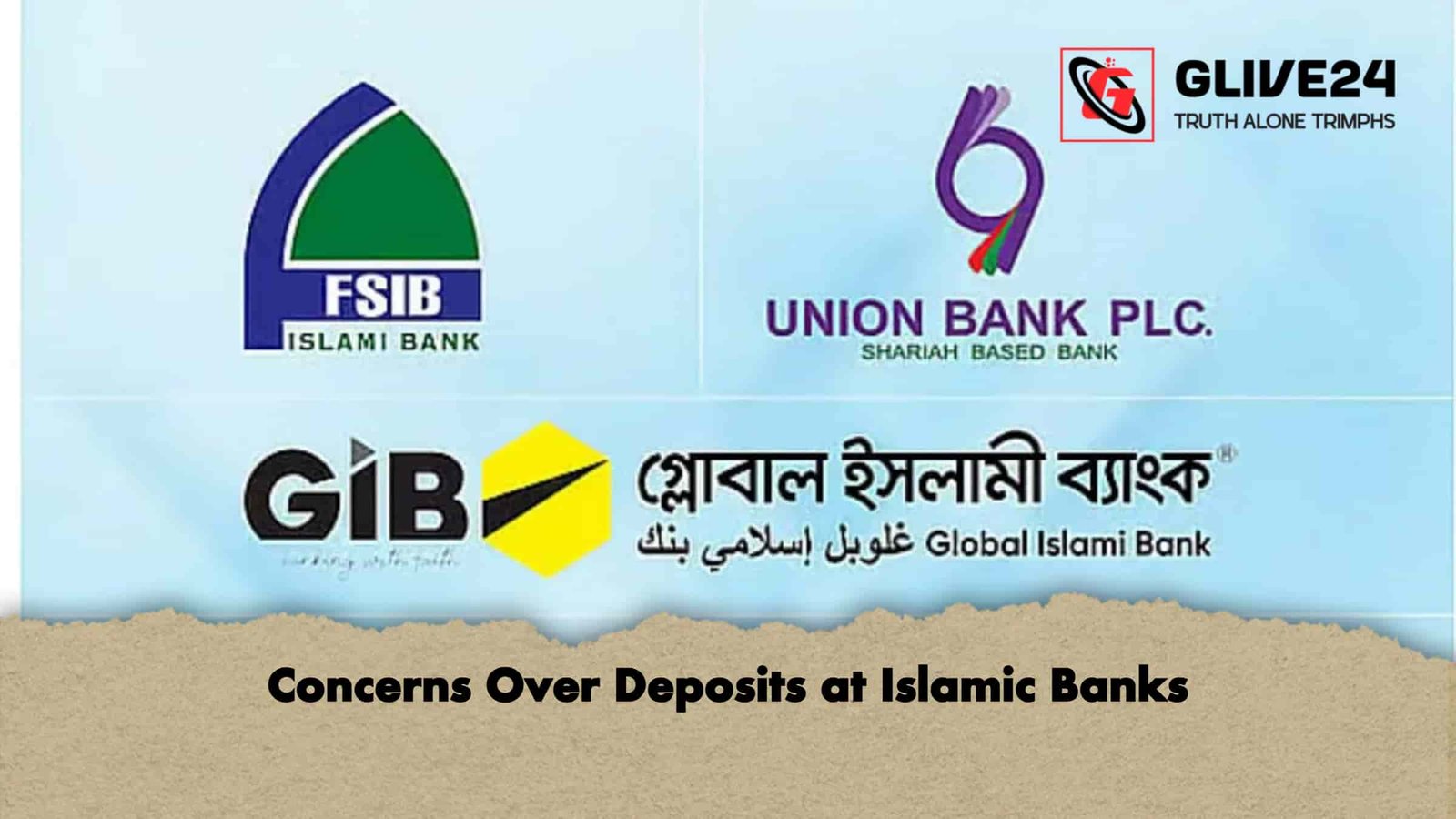
Widespread uncertainty has emerged around the newly announced deposit protection scheme amid the ongoing merger process of five Islamic banks, raising anxiety among thousands of depositors and increasing pressure on bank branches. In recent days, customers have crowded branches seeking to withdraw funds for urgent needs, only to face delays and conflicting responses. Frontline bank officials themselves appear constrained by the absence of clear, unified instructions, leaving them unable to provide satisfactory explanations. Although no incidents of disorder have been reported so far, the situation has visibly eroded depositor confidence.
According to banking sector sources, approximately BDT 20 billion has been withdrawn from these five banks over the past three working days. This substantial outflow reflects both immediate liquidity needs of customers and a deeper lack of trust in the merger process. Analysts caution that during periods of structural change, any deficit in transparency or consistent communication can amplify fear and prompt precautionary withdrawals, potentially destabilising the system further.
In an effort to calm depositors, Bangladesh Bank recently announced a special deposit protection scheme for the five Islamic banks. Under the scheme, deposits of up to BDT 200,000 per depositor are fully protected and can be withdrawn at any time. Amounts exceeding this threshold are subject to phased release. Funds held in current and savings accounts may be withdrawn in instalments within a prescribed timeframe, which could extend up to 24 months for full access. For fixed deposits, the regulator has indicated the possibility of extending maturities and determining profit rates in line with prevailing market conditions.
However, a significant gap has emerged between policy and practice. Numerous depositors report that even the guaranteed BDT 200,000 remains inaccessible in some branches. In other cases, banks are releasing only the principal amount while withholding accrued interest or profit. For fixed deposits, regular profit payments have reportedly been suspended. Although profits continue to be credited to savings accounts, customers say these balances are not withdrawable. Depositors argue that allowing access to accrued profit would substantially ease panic and reduce the rush to withdraw principal funds.
Additional complications have arisen in relation to remittance inflows, returns from savings certificates and bonds, and joint accounts. Such funds are typically credited to savings accounts, but are currently frozen. In the case of joint accounts, neither party is able to withdraw funds, pushing some households into acute financial distress.
A snapshot of the current situation is outlined below:
| Account Type | Withdrawal Status | Key Issues |
|---|---|---|
| Current Account | Limited | Profit not withdrawable |
| Savings Account | Limited | Interest and remittances frozen |
| Fixed Deposit | Suspended/Limited | Regular profit payments halted |
| Joint Account | Limited | Neither party can access funds |
Administrators appointed to two of the banks have stated that, under existing directives, payments beyond the insured portion are not permissible. They expressed hope that transaction facilities would gradually return as conditions stabilise.
Financial analysts stress that the success of the merger process now hinges on swiftly removing ambiguities and issuing a single, clear set of instructions. Only by delivering consistent messages to both bank staff and customers can confidence be restored, ensuring that the consolidation proceeds in a credible and orderly manner.