
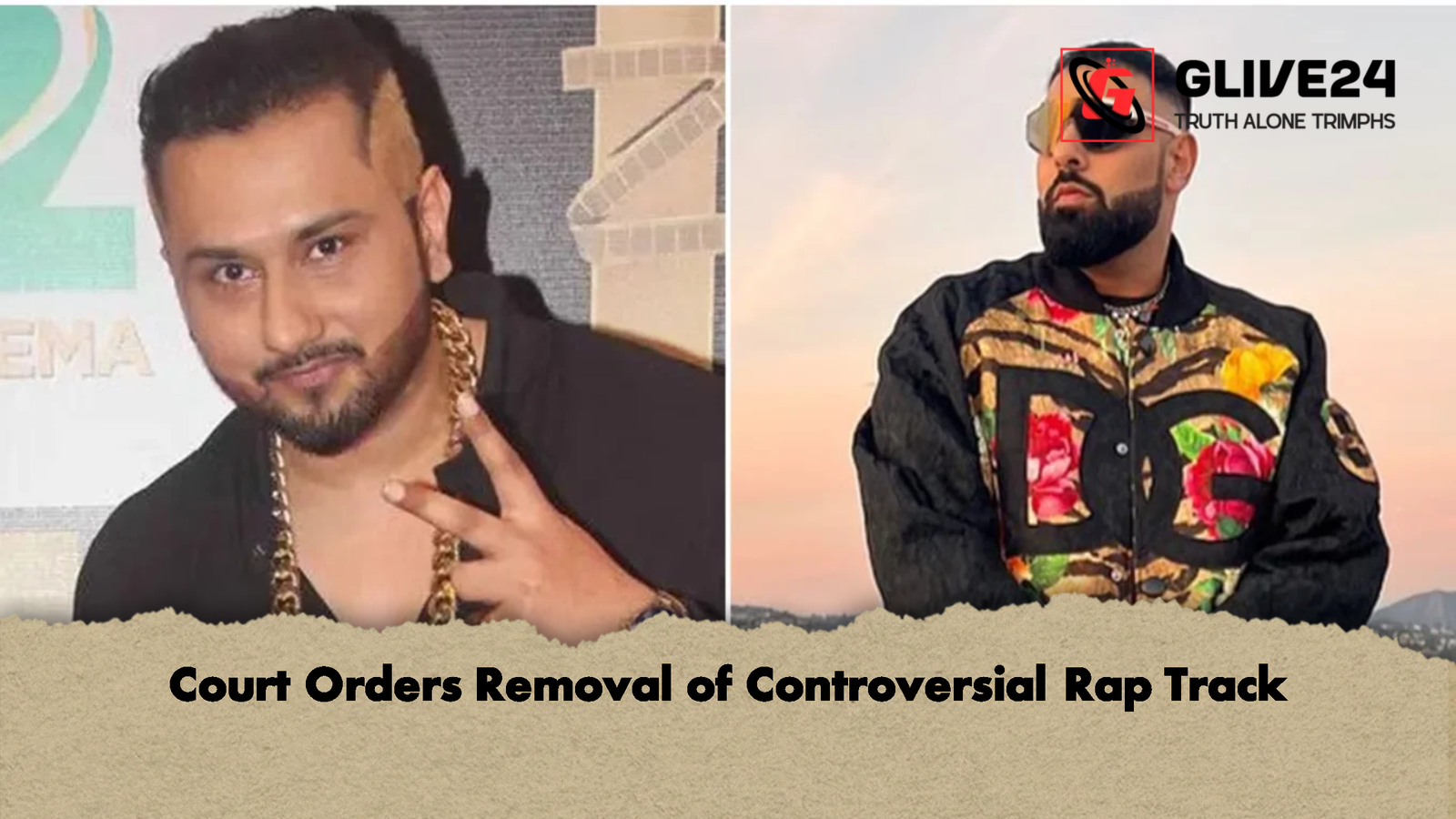
Indian rap and pop figures Badshah and Yo Yo Honey Singh have been drawn into fresh legal controversy after the Delhi High Court ordered the removal of a two-decade-old song from all online and streaming platforms. The decision has reignited debate over artistic freedom, digital archiving, and evolving standards of public morality in India’s music industry.
The disputed track, “Volume One”, originally released in 2006–2007 during the early stages of both artists’ careers, has been described by the court as containing “vulgar and objectionable” content. According to the ruling, the lyrics and visuals allegedly portray women in a degrading manner, reducing them to objects of consumption and raising concerns about their broader social impact, particularly on younger audiences.
In its observations, the court emphasised that creative expression cannot be used as a shield for material that undermines dignity or reinforces harmful stereotypes. It further noted that content deemed incompatible with accepted standards of decency has no legitimate place in what it termed a “civilised commercial entertainment space”, directing that the song be taken down with immediate effect from all digital platforms.
The ruling has intensified ongoing discussions within India regarding the boundaries of free expression in popular music, especially within hip-hop and rap genres, which have frequently faced criticism for explicit language and provocative themes.
Case Overview
| Category | Details |
|---|---|
| Title of track | Volume One |
| Year of release | 2006–2007 |
| Artists | Badshah, Yo Yo Honey Singh |
| Court | Delhi High Court |
| Decision | Removal from all online platforms |
| Primary concern | Alleged obscene and degrading depiction of women |
| Legal basis | Public morality and protection of dignity |
The controversy has been further amplified by recent public scrutiny surrounding both artists. Badshah has faced backlash over his recent release “Tatiri”, which drew criticism on social media for perceived insensitive references to women. Meanwhile, Yo Yo Honey Singh has also been the subject of controversy following reports of an incident at a live concert in Mumbai, where interactions involving female fans and security personnel attracted public concern.
Both artists were formerly part of the influential music collective Mafia Mundeer, which played a significant role in shaping the early commercial rap scene in India. During their time together, they collaborated on several tracks, including the now-contentious “Volume One”. However, the group disbanded in 2012 amid internal disagreements, marking the beginning of a widely reported professional rift between the two performers.
Industry analysts suggest that the resurgence of older content in the digital era has created complex challenges for both creators and regulators. With streaming platforms making archived material permanently accessible, works produced in earlier cultural contexts are increasingly being reassessed through modern ethical and social standards.
The court’s decision has therefore sparked a wider debate. Supporters argue that stronger accountability is necessary to prevent the normalisation of misogynistic narratives in popular culture. Critics, however, caution that retrospective censorship could set a difficult precedent, potentially affecting how historical creative works are interpreted and preserved.
As discussions continue, the removal of “Volume One” stands as a significant legal and cultural moment, highlighting the growing tension between artistic expression, digital permanence, and evolving societal expectations in India’s entertainment landscape.